Renewable Energy Can Power the World: 6 Types Explained

by Meaghan Weeden June 15, 2026 4 min read

tide rolling in
Give today
Give monthly
5 20 50 100
$ USD
lock icon Secure checkout powered by Shopify

Get news, updates, & event Info delivered right to your inbox:

Key takeaways - Renewable Energy Explained

  • Solar and wind are the fastest-growing renewable energy sources, and they are driving much of the global clean power transition.
  • Hydropower remains the largest source of renewable electricity, but large dams can have significant environmental and social impacts.
  • Hydrogen is an energy carrier, not a primary energy source, and its climate benefits depend on how it is produced and used.
  • Renewable energy is essential for cutting emissions at the source, but the transition also requires stronger grids, storage, and responsible project design.

Renewable Energy Can Power The World. Here's How.

When it comes to restoring degraded landscapes and mitigating climate change, we're strong believers in the power of planting trees. But reforestation is only one part of the climate solution. We also need to stop emitting so many greenhouse gases in the first place. In other words, we need to shift to renewable energy at scale.

At its most basic level, renewable energy is energy from natural sources that can be replenished faster than they are consumed. That includes sunlight, wind, water, geothermal heat, and organic resources. If you care about climate change and want to reduce your impact, renewable energy is one of the most important tools for lowering emissions

Renewables continue to grow quickly worldwide, with total global renewable capacity reaching 5,149 GW by the end of 2025. Solar and wind drove most of that expansion, and together they accounted for 35.3% of total global power generation capacity. Renewables as a whole made up 49.4% of total installed power generation capacity.

6 Types of Renewable Energy You Should Know

Solar Energy

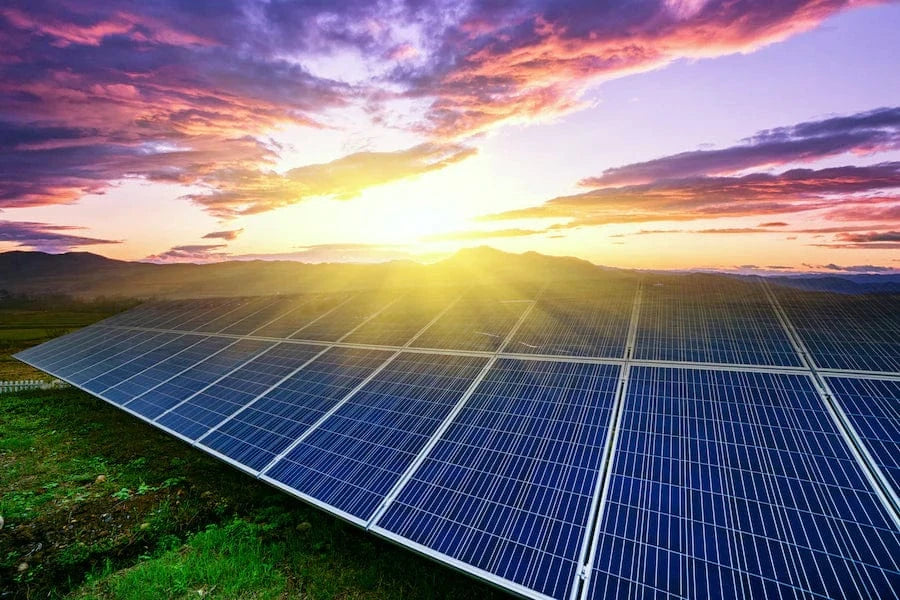
Solar power is the worlds's fastest-growing major renewable electricity source. Photovoltaic (PV) panels generate electricity by converting sunlight directly into an electric current. Concentrating solar power (CSP) uses mirrors to concentrate sunlight, create heat, and drive a turbine or engine that produces electricity.

By the end of 2025, global solar capacity reached 2,392 GW. Solar is powerful, but it isnt't perfect: PV systems require toxic materials and manufacturing, and solar generation must be carefully managed because output varies by time of day and weather. CSP systems also use hazardous heat-transfer fluids that need careful management.

Wind Power

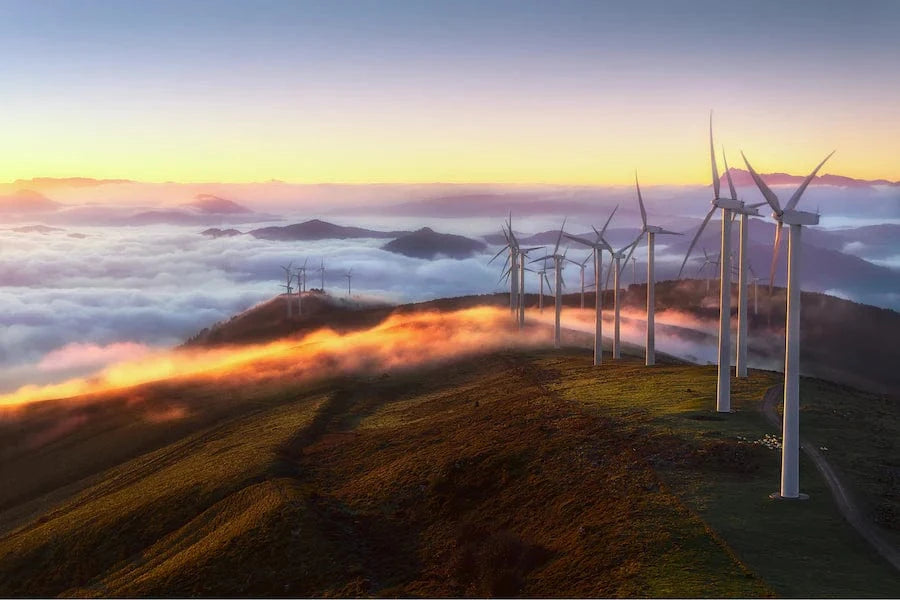
Wind power is one of the largest renewable electricity sources in the world. Wind turbines use moving air to spin blades connected to a rotor, which turns a generator and produces electricity. Windmills have been used for centuries for tasks like grinding grain and pumping water, but modern wind turbines now help power homes, businesses, and electric grids.

Wind is a major part of the global energy transition, but it is not without tradeoffs. Concerns can include noise, visual impact, and wildlife collisions, especially for birds and bats. Even so, wind remains a widely used low-carbon electricity source

Hydropower

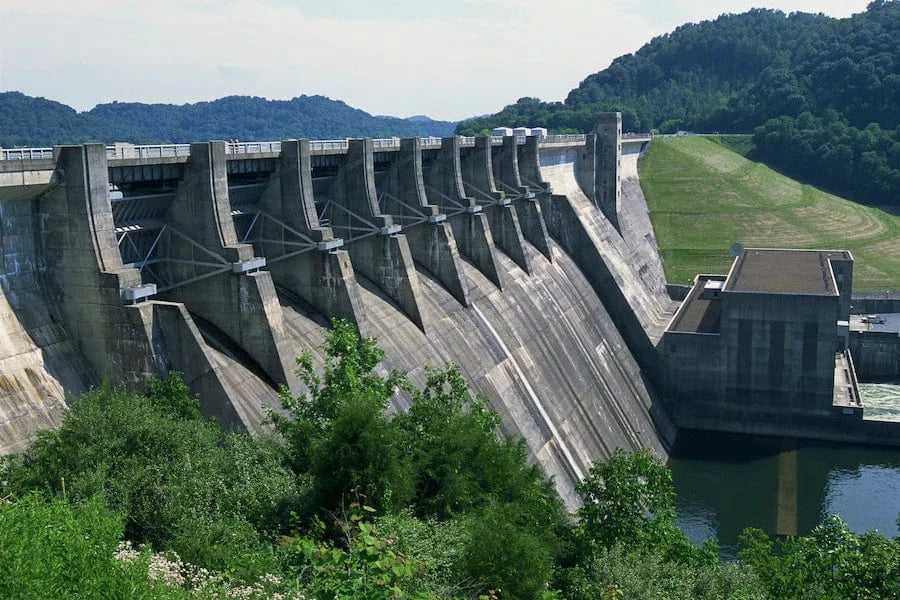
Hydropower remains the largest source of renewable electricity globally. The most common approach is to store river water in a reservoir and release it through turbines that generate electricity.

Hydropower is valuable because it can provide flexible generation and grid support, but large dams can also fragment rivers, affect aquatic habitats, alter sediment flow, and displace communities. For that reason, hydropower is considered a major low-carbon electricity source with significant ecological tradeoffs

Ocean Energy

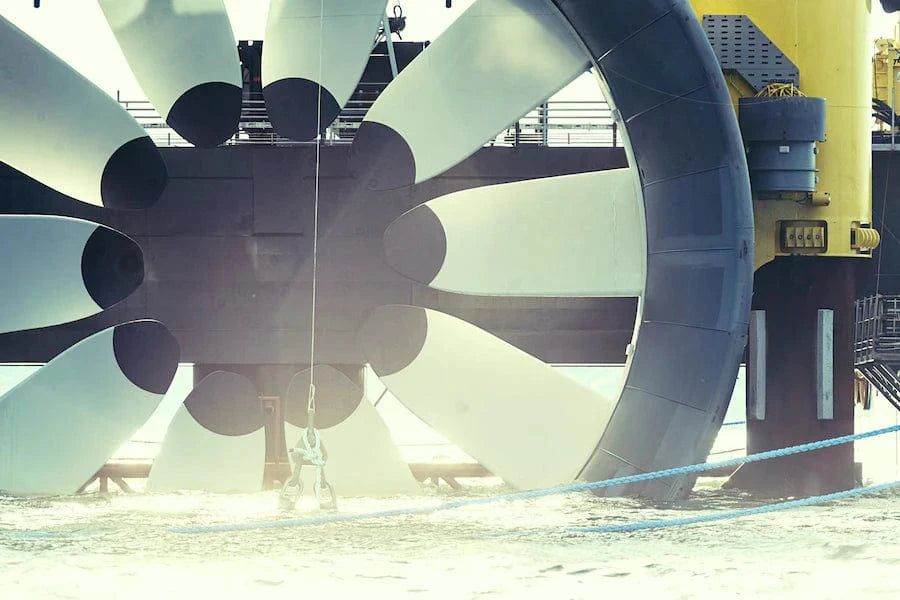
Ocean energy includes tidal, wave, and ocean thermal technologies. Ocean thermal energy uses warm surface water to vaporize a working fluid, which then drives a turbine. Tidal and wave systems capture energy from moving seawater and convert it into electricity.

These technologies are promising, but they remain much less mature than solar, wind, and hydropower. Still, they are fascinating technologies that deserve more attention as they continue to be refined!

Hydrogen Power

Hydrogen is best described as an energy carrier. It can be produced from natural gas, electricity, biomass, or other resources. In fuel cells, hydrogen can generate electricity with comparatively fewer emissions.

Hydrogen is promising for heavy industry, shipping, and other uses, but it is not a universal solution. When hydrogen is combusted, nitrogen oxides may be produced, and the climate benefits depend heavily on how the hydrogen is produced. Storage and transport also remain challenging.

Geothermal Energy

Geothermal energy comes from heat inside the Earth and is usually accessed by drilling wells into hot underground reservoirs. Once the hot water or steam reaches the surface, pressure drops, steam turns a turbine, and electricity is generated.

Geothermal energy has an important advantage: it can provide steady, around-the-clock power. But as you may have guessed, drilling holes deep into the earth’s surface is environmentally challenging — with effects like land degradation, possible depletion of local geothermal resources, and the release of greenhouse gases like hydrogen sulfide, carbon dioxide, methane, and ammonia.

Proponents argue that the GHGs released are significantly lower than that of fossil fuels, but it does beg the question: is it really a renewable energy source?

There you have it! None of the above mentioned renewable energy technologies are perfect, but many represent a step in the right direction as we navigate the transition to a less environmentally damaging way of life. We're hopeful that as scientists and researchers continue to refine and develop solutions, renewable energy will become more widely adopted. Looking for a simple way to do your part right now? Plant trees with us today!

Give today
Give monthly
5 20 50 100
$ USD
lock icon Secure checkout powered by Shopify

Get news, updates, & event Info delivered right to your inbox:
Meaghan Weeden
Meaghan Weeden

Meaghan Weeden is the Communications Manager at One Tree Planted, where she translates research and impact data into compelling, accessible narratives. With a degree in Environmental Conservation and a background in both traditional publishing and nonprofit communications, Meaghan bridges the gap between scientific complexity and high-impact storytelling to engage global audiences. She is based in Western Massachusetts.