Our projects focus on restoring priority landscapes around the world—places where forests can make the biggest difference for nature and communities.
Click here to learn about our work
Ready to plan a more sustainable summer camping trip? From the ocean to the mountains, from tent camping to yurt camping to beach camping and glamping, there are many ways you can have an awesome, eco friendly summer travel experience.
How you camp is an extension of how you care for the planet. And as you probably guessed, we believe the best policy is to leave no trace in nature.
Worried about balancing sustainability with a long packing list? Our simple tips and detailed checklist can help you camp more confidently, whether you’re new to camping or dusting off gear you’ve used for years. Use this essential camping checklist to stay organized, pack smarter, and get out there!
Our sustainable camping guide includes practical, low-waste habits that can help you make your next trip more eco-friendly.

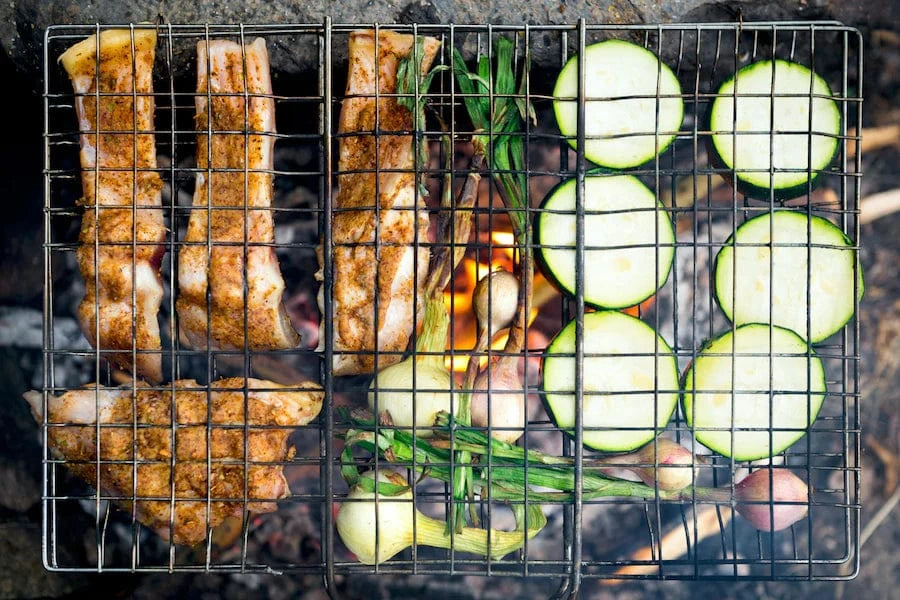
Preparing all of your meals and snacks ahead may feel daunting at first, but we’ll let you in on a little secret: fresh food that’s cooked in the great outdoors just tastes better. With a little careful planning to minimize messes and simplify your off the grid efforts, you’ll be golden! Aim for meals that can be partially or fully prepared before you leave home. A few of our favorite low-fuss camping foods are homemade soups, burritos, fried egg sandwiches, granola bars, marinated proteins and kebabs for the grill, and muesli.

Bring reusable containers for prepared ingredients and meals, and use beeswax wrap or cloth bags for snacks. Skip single-use plastic bottles by packing reusable bottles and refilling them from safe water containers. A good rule of thumb is to bring at least 1 gallon of water per person per day, plus a plan for refill stations if available. Planning water ahead of time helps prevent both waste and stress.

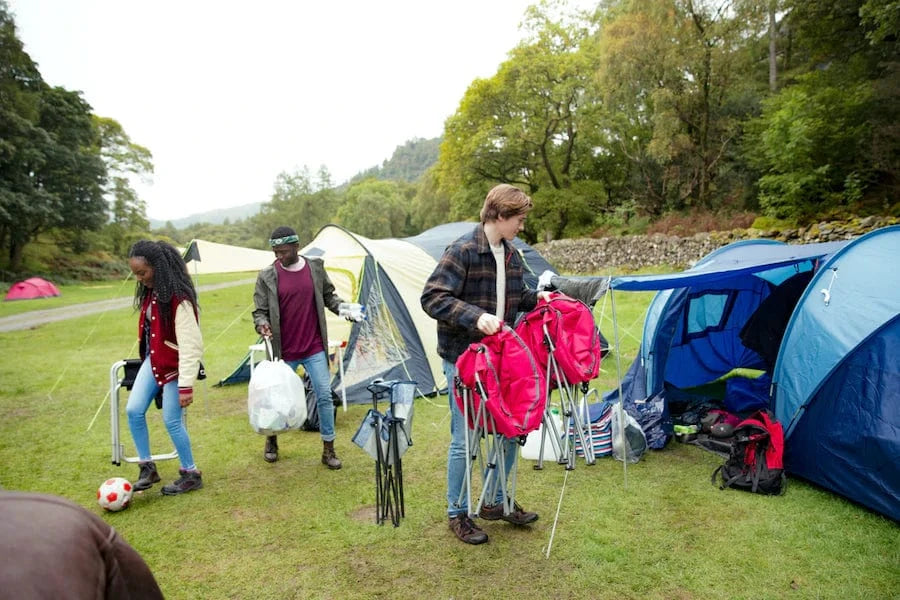
Don’t be one of those campers — you know, the kind that leaves trash, recycling, and food waste behind to harm the environment and wildlife. Pack at least two reusable waste containers — one for trash and one for recycling — and a sealed compost container if your campground offers composting. At the end of your trip, take anything you can’t dispose of properly at the campground with you.

Conventional soaps, hair care, and toothpaste can negatively impact wildlife and the environment. So make sure any products you do bring are biodegradable, and if washing up facilities are available, use them rather than doing it right at your campsite. If not, make sure you’re at least 200 ft away from any rivers, streams, or lakes. Always follow local guidance for disposing of wastewater and hygiene products.

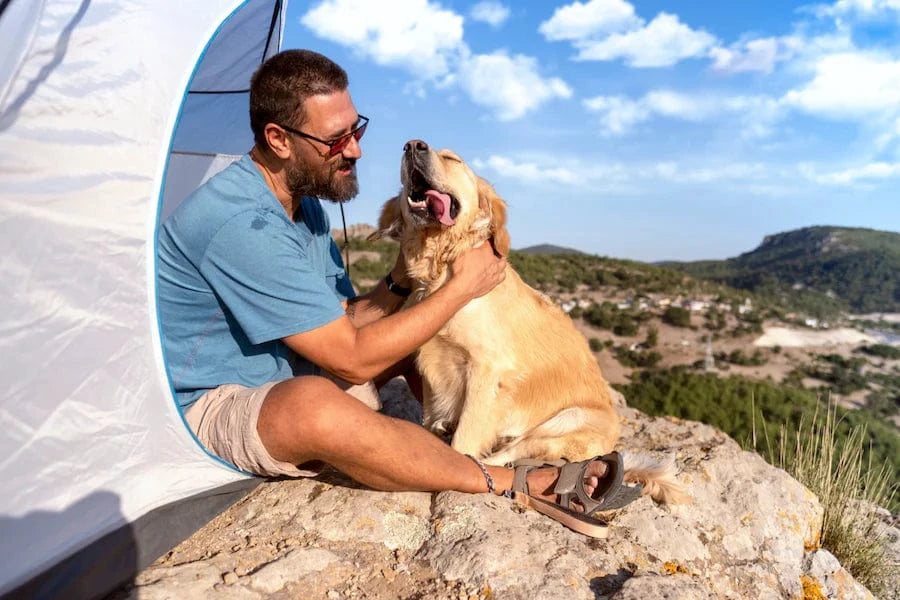
If you’re bringing a dog, check campground rules before you go. Look for requirements about leash use, waste disposal, and restricted wildlife areas. Keep their food sealed up tight to discourage any opportunistic wildlife, bring biodegradable waste bags, and if they’re prone to roaming or don’t have good recall, keep them leashed or on a line to avoid any scuffles with wildlife or damage to protected areas (your neighbors will definitely appreciate this consideration, too!).

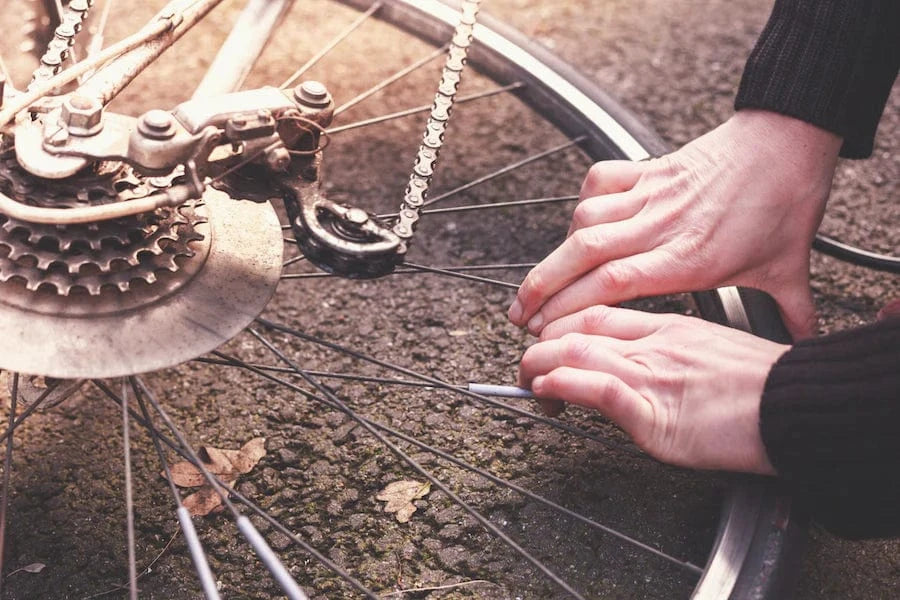
While it’s easy to get caught up in the excitement of buying new camping gear when planning for a trip, costs can add up quickly. Instead, take stock of everything you already have, repair what needs repairing (youtube is a gold mine if you need help), and try to get as much life out of your gear as possible. Another option is to buy used gear or borrow/rent things to save money and resources. This can be especially helpful if you’re just starting out and don’t yet know what kind of gear will best suit your needs.

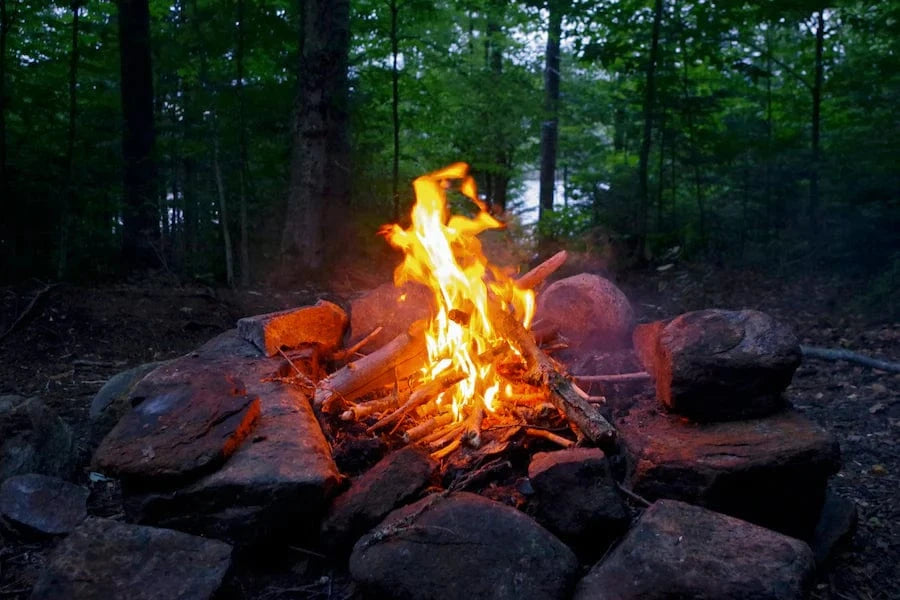
Check fire restrictions before you travel, since some areas prohibit campfires during dry or high-risk periods. If campfires are allowed, use a designated fire ring or pit, keep the fire small, and never burn trash or packaging. Following local fire rules helps protect forests, wildlife, and other campers.

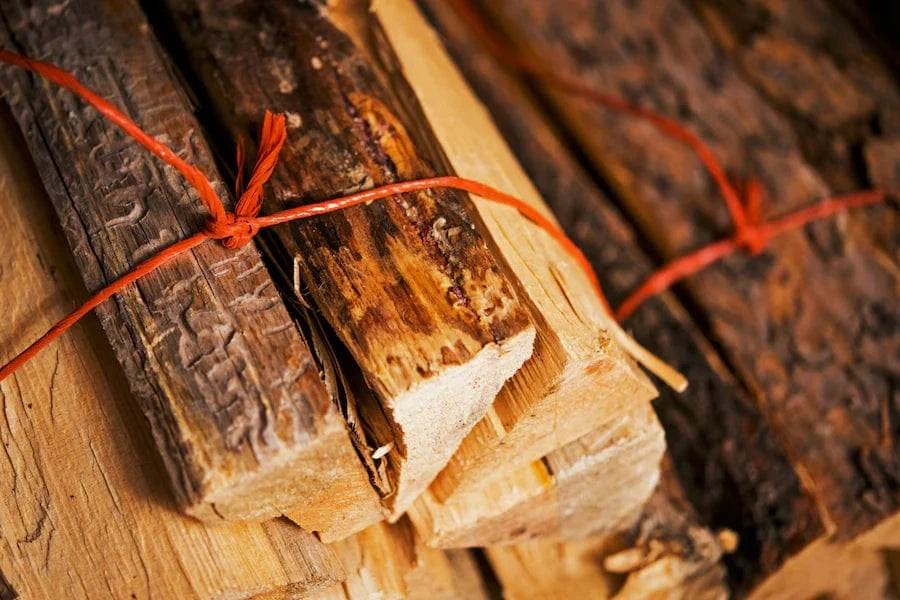
Speaking of campfires, you'll need to get your firewood locally or from the campground if they carry it. Moving firewood long distances (ie. by bringing it from home) can spread invasive pests and disease. With the rise of invasive insects like the emerald ash borer, asian long-horned beetle, hemlock woody adelgid and others, local conservation districts are urging people: “don’t move firewood” and may even fine you. So do your part to protect the trees and forest around you from invasive insects!

Many of the things we apply without second thought, like suntan oils, bug spray, lotions, makeup, and sunscreen, can pollute waterways and harm the aquatic species that call them home. Of course, some of these are necessary to protect you against sunburns and insect-borne diseases. But try to be conscious of applying the correct amount and of the ingredients they contain — especially if you plan to go swimming. If something is water-soluble, the best bet is to leave it at home.

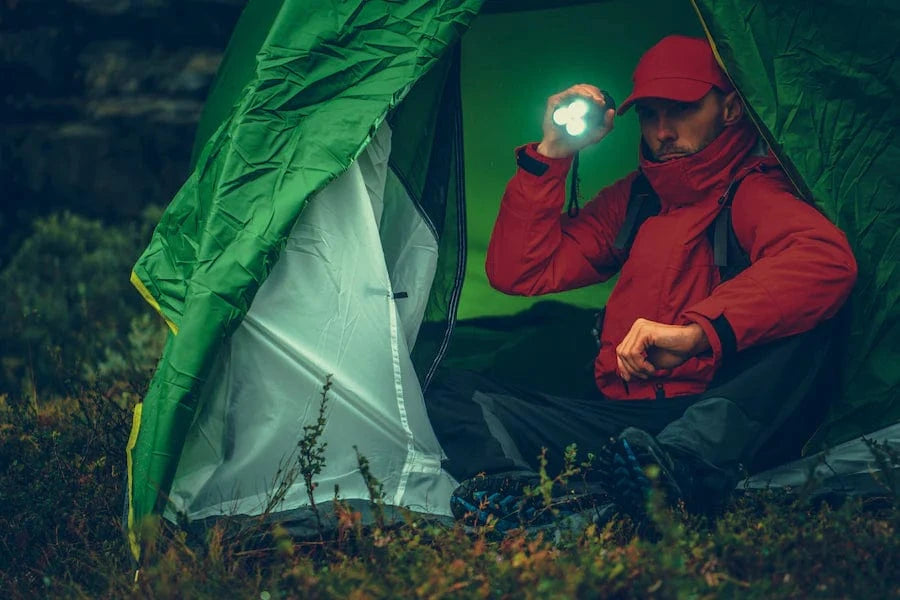
One of the greatest things about camping is the opportunity to unplug from the electronics that otherwise dominate our lives, helping to reset our circadian rhythm. But of course, some battery-powered electronics will be necessary, like flashlights, headlamps, lanterns, and air mattress pumps. To avoid creating unnecessary battery waste, invest in a few sets of rechargeable batteries or solar-powered electronics and make sure everything’s charged up and ready to go. And don't worry, they'll pay for themselves over time!

Replace the plastic cutlery, paper plates, plastic straws, paper towels, and plastic cups with sturdy, well-designed utensils and quick-dry towels for your cleanup needs. The right gear will last for years to come, be easy to clean and reuse, and reduce the amount of trash you have to carry out at the end of your trip. The first time you camp without single-use products, you might be amazed at how little trash you produce. You could even make a game out of it: whoever creates the least trash gets a prize and bragging rights (until next year, anyway!)

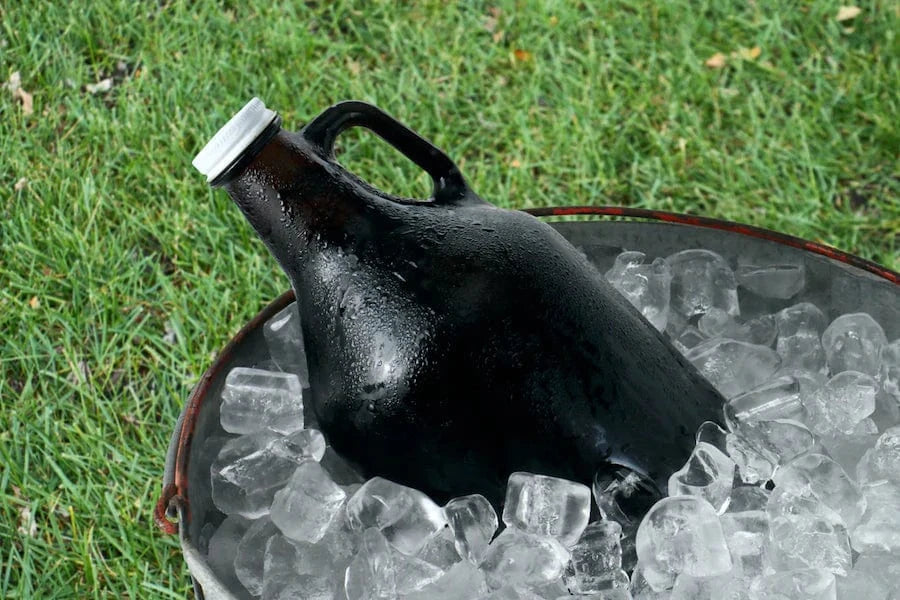
If enjoying a beer or two around the campfire is your kind of thing, consider tossing a few growlers of your favorite beer in your cooler (or bringing a keg!). This will not only ensure you’ll have some great beer to drink while regaling your friends or family with all your best campfire stories, it will also eliminate the need to lug around cases of beer. Just be respectful of campground alcohol rules!

Food comes up a lot on this list, because it’s one of the biggest contributors to your camping footprint and arguably the thing that requires the most planning ahead. Up your eco game by making sure the ingredients for all those delicious meals are local and organic. While food quality is a less obvious connection than the other tips we’ve shared, it does play a big role in your impact. Conventionally grown foods typically use a lot of fertilizers and pesticides and are shipped from far away, while local, organic foods are grown on nearby farms that use eco-friendly agricultural methods.

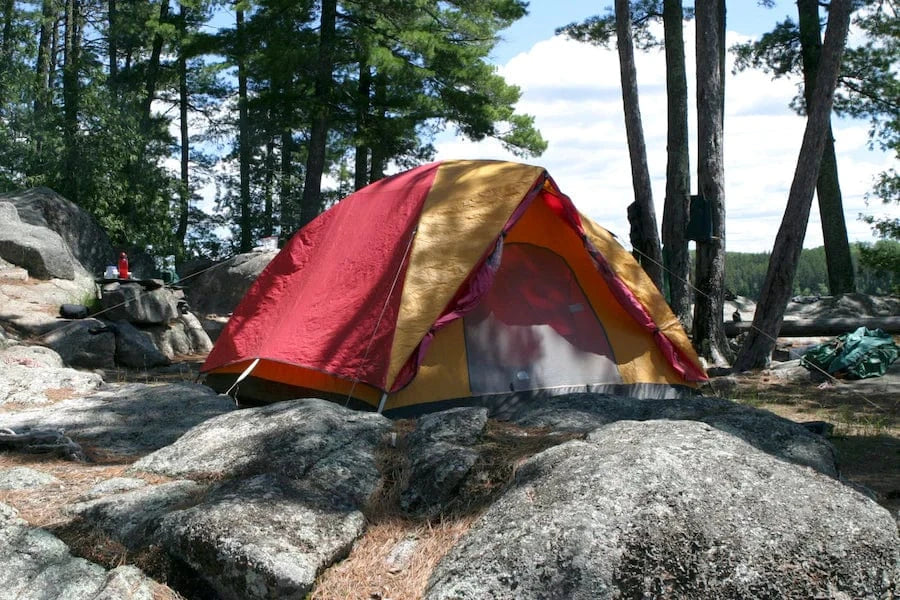
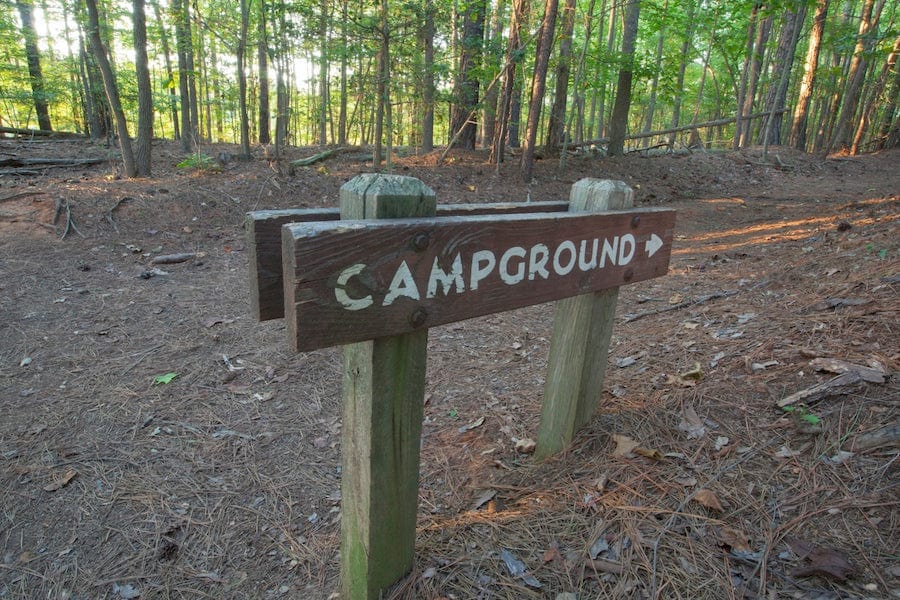
When setting up your tent and camp area, it’s important to select durable terrain with sparse vegetation like rock, gravel, snow, formed trails, and dry grass. This will help you minimize your impact on the the soil and avoid crushing any sensitive native vegetation. Make your camp small, set at least 200 ft away from any lakes, rivers, and streams, and stick to existing trails and campsites. And one final tip: avoid depressions or other areas where water could pool during rainstorms, as waking up in a puddle of water is not the best way to start your day!

Popular camping spots can get really busy during high season, which puts a strain on the environment. So consider visiting these areas at off-peak times like the beginning or end of the season, when they’re less likely to be overcrowded. If you really want to go camping during peak season, consider finding a more off the beaten path campground for your adventure.

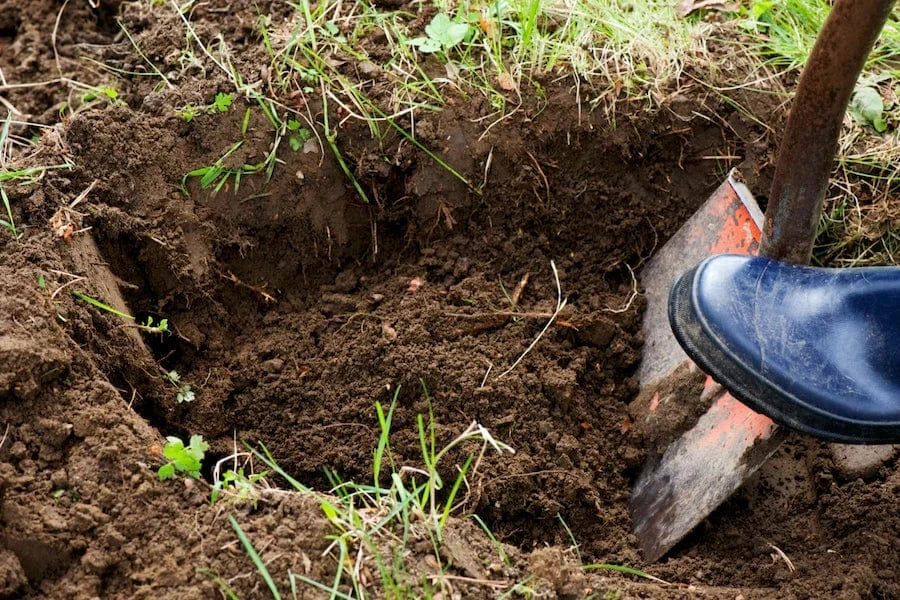
If you’re at a campground with bathrooms and washing facilities, this will be easy. But if you’re on more of a backcountry adventure, there are a few considerations to follow to respect other campers and avoid polluting water supplies. If you’re camping somewhere without restrooms, follow proper backcountry sanitation practices and local rules. Find a private spot far from trails, water, and camp areas, and bury waste properly if that’s allowed in the region. Always pack out toilet paper if required.

From blankets to clothing to sun hats, sunglasses and more, there are tons of sustainable outdoor gear options, so you shouldn’t have any trouble finding what you need. But to make it cheaper and also participate in the circular economy, check out your local thrift store or used sports store to find quality gear at a steep discount. You never know what you’ll find — and because so many people over-purchase outdoor gear, you may be able to score unused or barely used name-brand stuff. It's definitely worth doing a little shopping around to get the best deal!

Before you go, think carefully about how you’ll be getting to and from your campsite. If you're camping with friends, consider carpooling to reduce your emissions. If you’re adventuring from home, see if there are any buses or trains that will get you there before you book a plane ticket. If you cant do any of these things, think about the impact your traveling has, and think of any ways big and small that you can minimize it with sustainable travel. Every step counts and we can all improve somewhere!
We hope this guide helps you plan a more sustainable summer camping trip, whether you’re camping for the first time or perfecting a routine you already love.
And wherever you choose to pitch a tent, we hope you have a wonderful trip filled with late nights, deep conversions under the stars, cozy campfires and s’mores, fun hiking adventures, and above all a nice big dose of the great outdoors!
Speaking of the great outdoors, consider planting trees to benefit nature and the environment today!
Meaghan Weeden is the Communications Manager at One Tree Planted, where she translates research and impact data into compelling, accessible narratives. With a degree in Environmental Conservation and a background in both traditional publishing and nonprofit communications, Meaghan bridges the gap between scientific complexity and high-impact storytelling to engage global audiences. She is based in Western Massachusetts.
15/06/2026 by Meaghan Weeden
12/06/2026 by Meaghan Weeden
09/06/2026 by Meaghan Weeden
22/04/2026 by Meaghan Weeden
23/12/2025 by Meaghan Weeden
16/12/2025 by Meaghan Weeden
The Grove is more than just a monthly giving program: it's a vibrant community of individuals who are dedicated to reforestation and environmental restoration on a global scale.