Our projects focus on restoring priority landscapes around the world—places where forests can make the biggest difference for nature and communities.
Click here to learn about our work
Around the world, wildfires are becoming more frequent and destructive. While many environmental factors contribute to the issue, people also play a role. According to the National Interagency Fire Center, between 2013-2023, 88% of wildfires in the US were caused by humans. While staggering, that's actually a hopeful statistic: it means that most are preventable.
From unattended campfires to gender reveal parties and sparks generated during everyday tasks like mowing the lawn, mistakes can quickly snowball into major disasters when the conditions are right. If you live in or visit a drought-prone or fire-prone area, knowing simple fire safety guidelines can help protect the people, wildlife, properties, and forests around you.

We get it: fireworks are as American as baseball and apple pie — and gender reveal smoke bombs are all the rage. But in hot and dry conditions, they just aren’t worth the risk. When researchers analyzed wildfire data from 2000-2019, they noticed a huge spike on the fourth of July. In the U.S. West, nearly twice as many fires were ignited during Independence Day celebrations than any other day of the year.

Every time you smoke, soak the butts in water and place them in a fire-proof container to safely dispose of later in an appropriate receptacle (such as a fire-proof container filled with sand). And whatever you do, don’t toss them on the ground: even when ground underfoot, smoking materials can quickly ignite dry vegetation and debris.

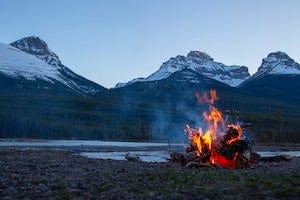
Before you light a campfire or bonfire, make sure the conditions are safe and that there are no fire bans or precautions in the area. Choose an open space that is at least 10 feet away from any vegetation, trees, or flammable debris. Always have safety tools, such as a bucket of water (or a hose if you're at home) and a shovel, within reach. When you’re done, use the "drown, stir and feel method": douse the fire with water, stir it around to ensure everything is equally soaked, mix in soil to smother any remaining heat, and wait until it’s completely cold to the touch before leaving your campsite or going to bed. Never leave a fire unattended.

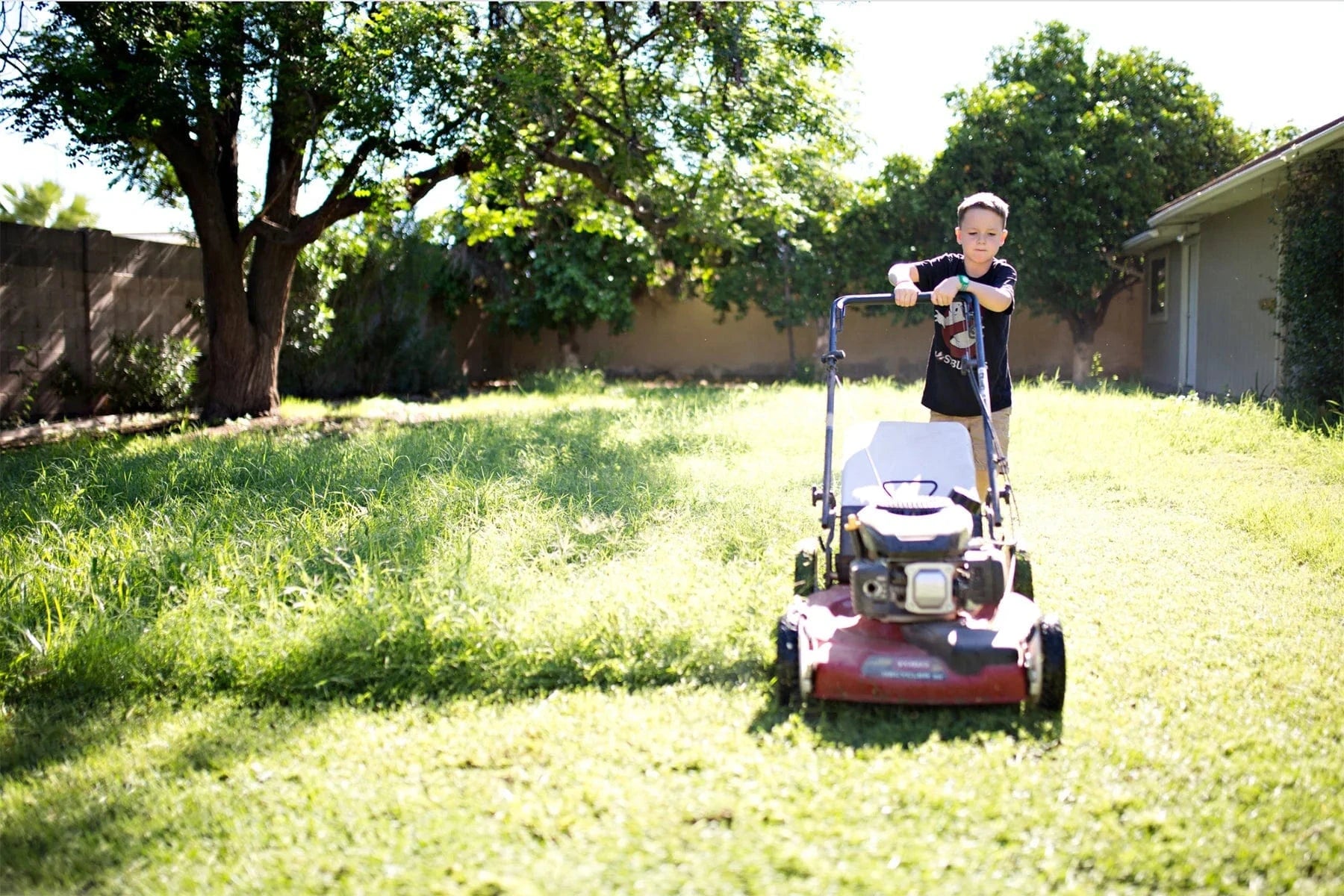
If you need to mow your lawn, the California Wildland Fire Coordinating Group recommends doing early, before peak temperatures. If conditions are windy and dry, wait until another day; the metal blades underneath your mower can easily spark a fire if they strike a rock. And stick to your maintained lawn areas; in these conditions, your lawnmower should never be used to mow weeds or dry grass.

Check the exhaust of any portable, gas-powered equipment—such as chainsaws, leaf blowers, and weed wackers to make sure they're equipped with functioning spark arrestors. Spark arrestors prevent engines from emitting flammable debris. And keep in mind that the exhaust pipe from a combustible engine can reach temperatures exceeding 1,000 degrees!

Off-roading is a blast, but it can have deadly consequences if done in grasslands or areas with heavy brush. Hot exhaust pipes and mufflers can start fires when they come in contact with dry vegetation. Stick to gravel and asphalt, especially during dry seasons. In fact, the safest time to off-road in fire-prone areas may be when the ground is saturated with rain or covered in snow.

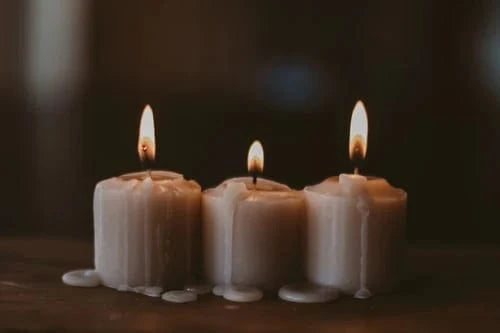
Innocent though they may seem, candles are a leading cause of home fires. In fact, their flames can burn as hot as 1,400+ degrees! A study by the U.S. Consumer Product Safety Commission found that 85% of candle fires could be avoided if consumers followed three basic safety rules: never leave a burning candle unattended, never burn a candle on or near anything that might catch fire, and keep candles out of reach of children and pets.

If you own your home, implement defensible space in an area of at least 100ft around the perimeter of all structures. Defensible space involves implementing zones of vegetation management that increase in intensity as you get closer to your home, where any dead trees, brush, and vegetation should be completely cleared. This can help slow and/or stop the spread of wildfires within your community. It will also protect firefighters in the event they need to battle a blaze around your home.

While you're at it, incorporate native, fire-resistant plants into your landscaping. You can also build fire-resistant zones with stone walls, patios, etc.

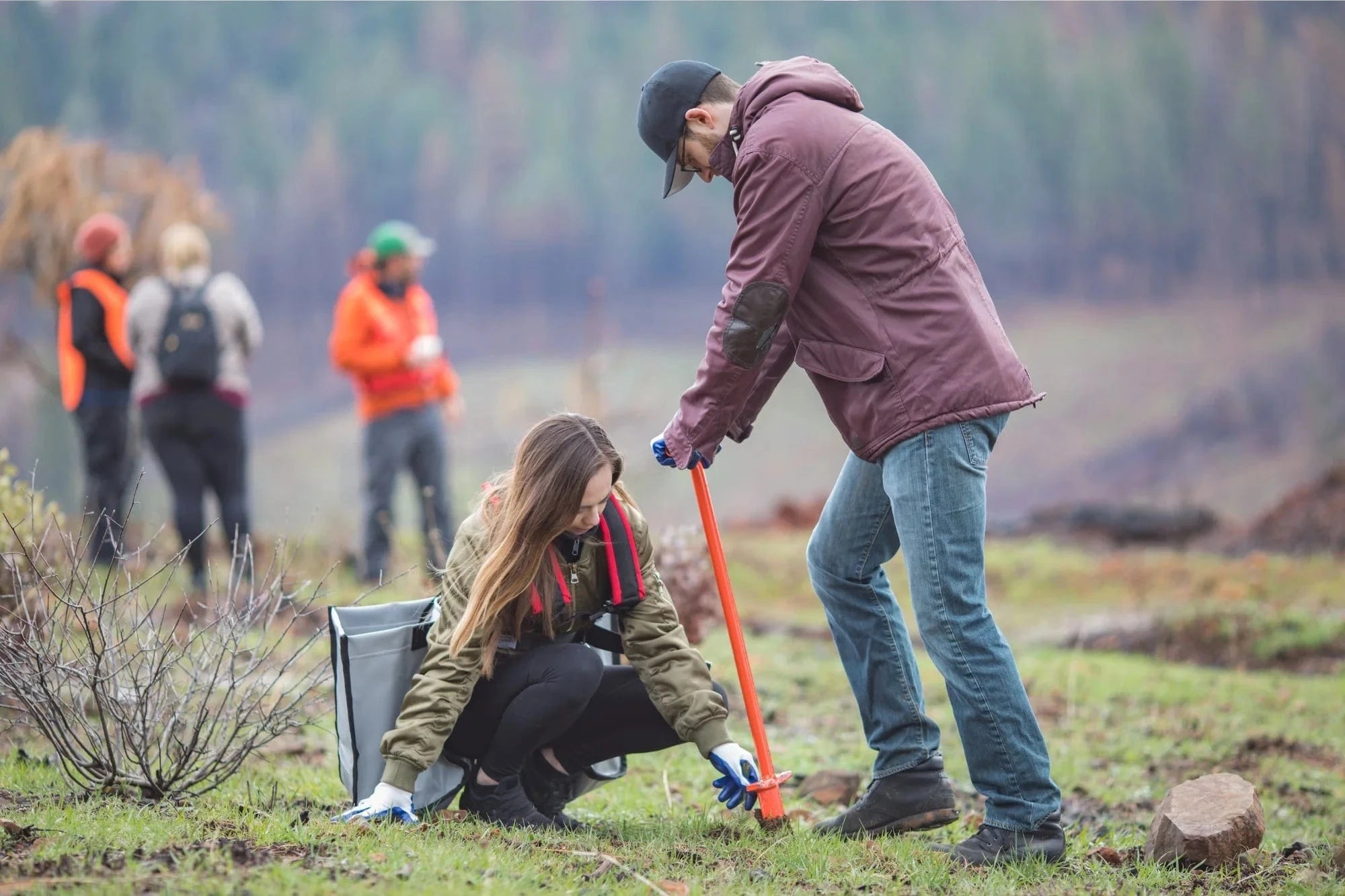
And finally, supporting wildfire restoration in areas that have experienced fires in the past is an important way to reduce the likelihood and severity of future fires. These projects, which are undertaken by conservation professionals, involve planting species that are best able to withstand the natural conditions.
Forest fires are becoming larger, more severe, and more frequent as hotter, drier conditions and long-term land management challenges make fire risk harder to control. While the threat is growing, prevention still matters, and small actions can reduce the chance of a spark becoming a natural disaster.
And when fires do occur, recovery is just as important. After the flames are put out and damage has been assessed by experts on the ground, we work with our partners to restore ecosystems that have been affected by severe wildfire.
Meaghan Weeden is the Communications Manager at One Tree Planted, where she translates research and impact data into compelling, accessible narratives. With a degree in Environmental Conservation and a background in both traditional publishing and nonprofit communications, Meaghan bridges the gap between scientific complexity and high-impact storytelling to engage global audiences. She is based in Western Massachusetts.
15/06/2026 by Meaghan Weeden
09/06/2026 by Meaghan Weeden
08/06/2026 by Meaghan Weeden
22/04/2026 by Meaghan Weeden
23/12/2025 by Meaghan Weeden
16/12/2025 by Meaghan Weeden
The Grove is more than just a monthly giving program: it's a vibrant community of individuals who are dedicated to reforestation and environmental restoration on a global scale.