Our projects focus on restoring priority landscapes around the world—places where forests can make the biggest difference for nature and communities.
Click here to learn about our workWater is life. From driving photosynthesis to helping regulate climate systems and making it possible for us to grow food, water shapes how ecosystems function and food systems grow. Without reliable access to water, the web of life begins to break down.
When we think of the bodies of water that sustain life, wetlands aren't often the first thing that comes to mind. But you'd be amazed to learn about everything they do. Despite covering just 6% of the Earth’s land surface, 40% of all plant and animal species live or procreate in wetlands. Yet, nearly 90% of the world’s wetlands have been degraded since the 1700s. Today we’re losing them three times faster than forests: in just 50 years (since 1970), 35% of the world’s wetlands have been lost.

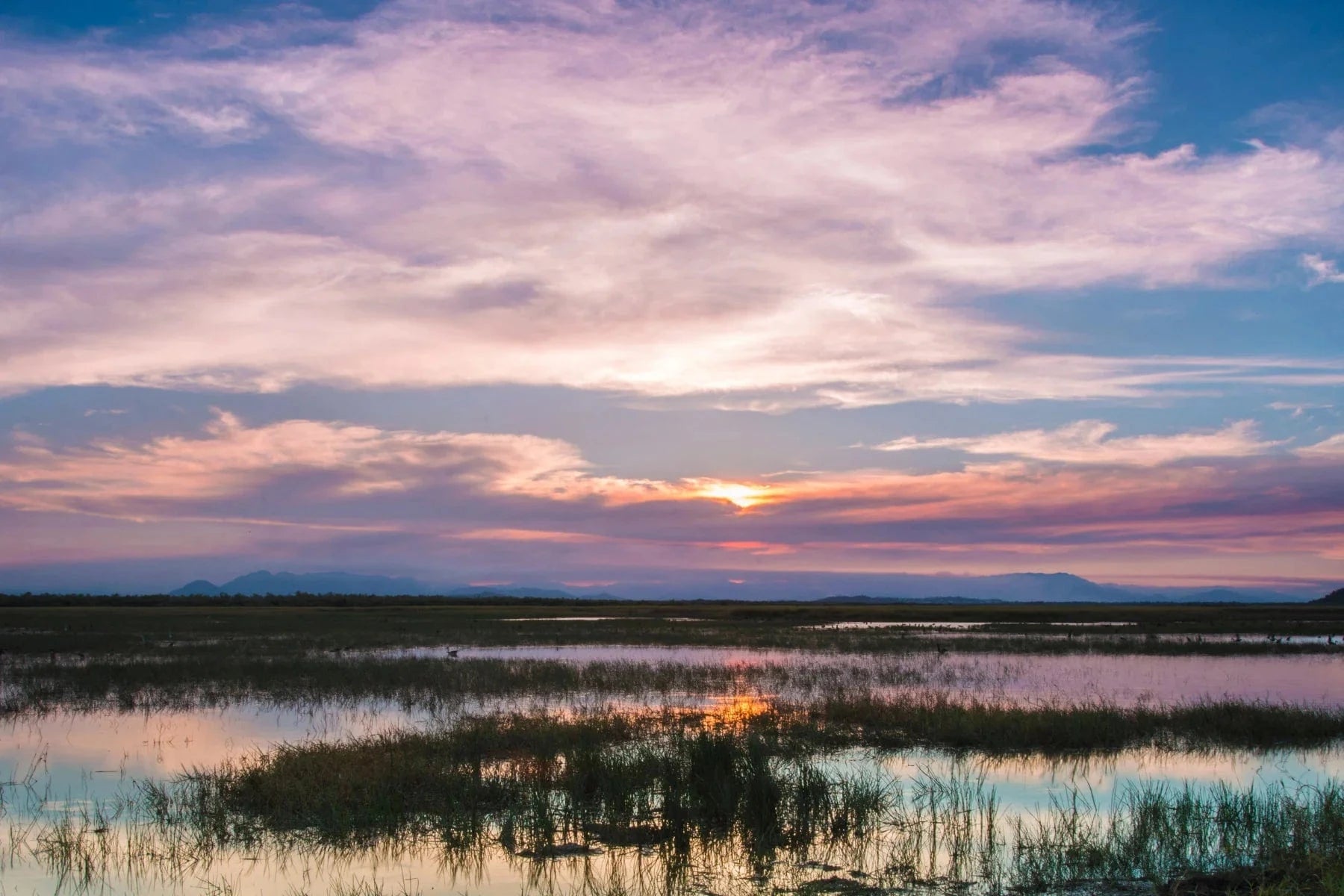
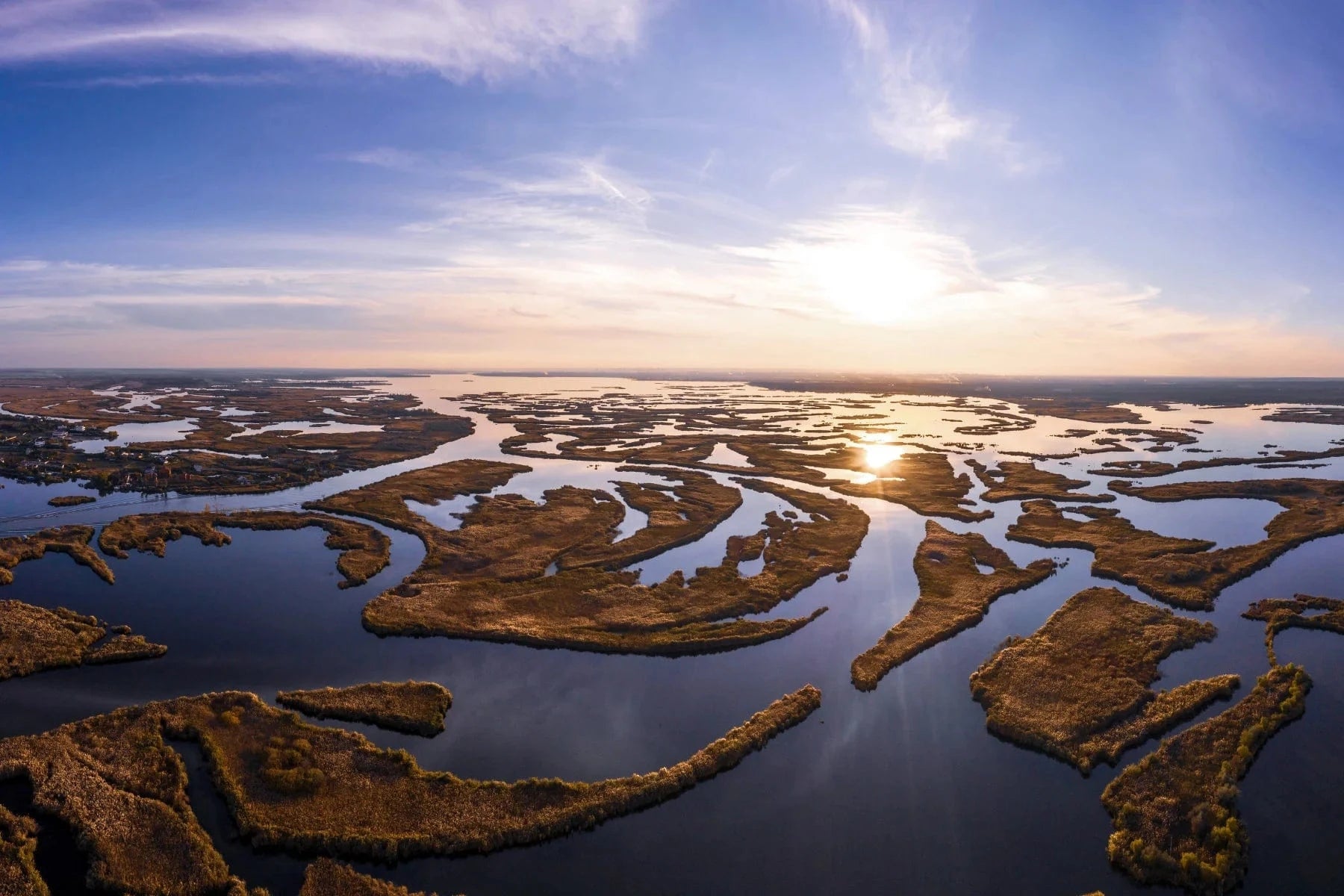
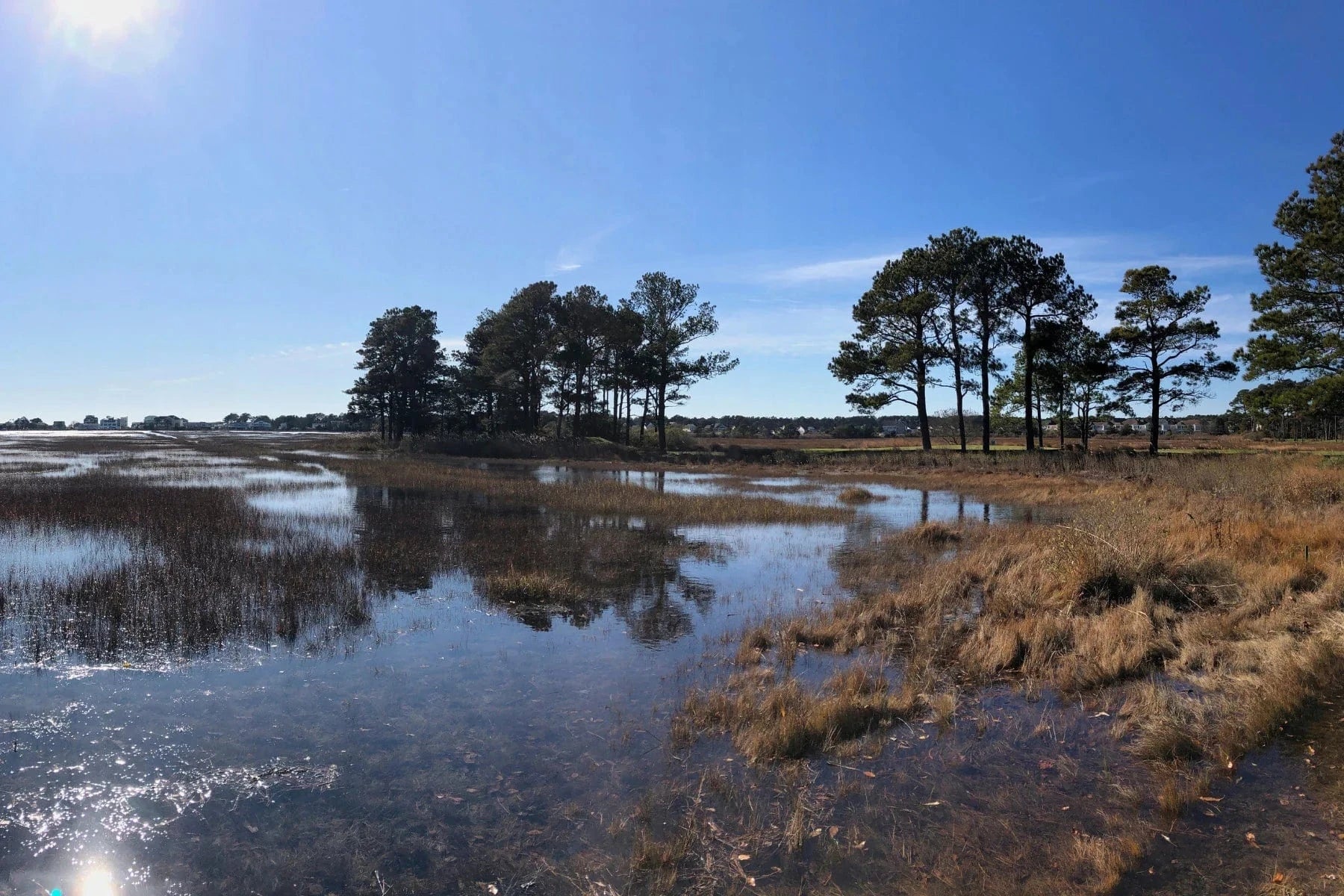
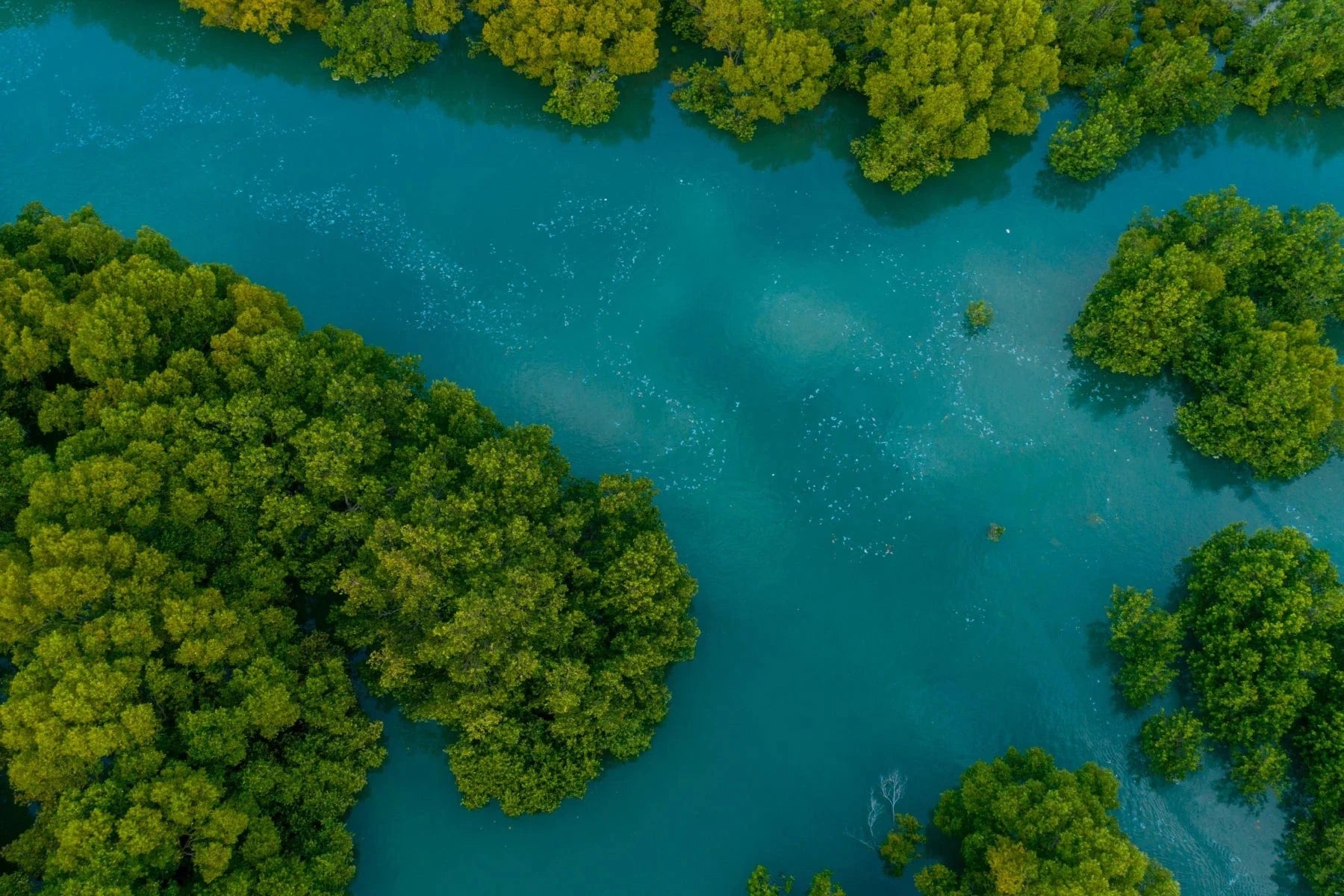
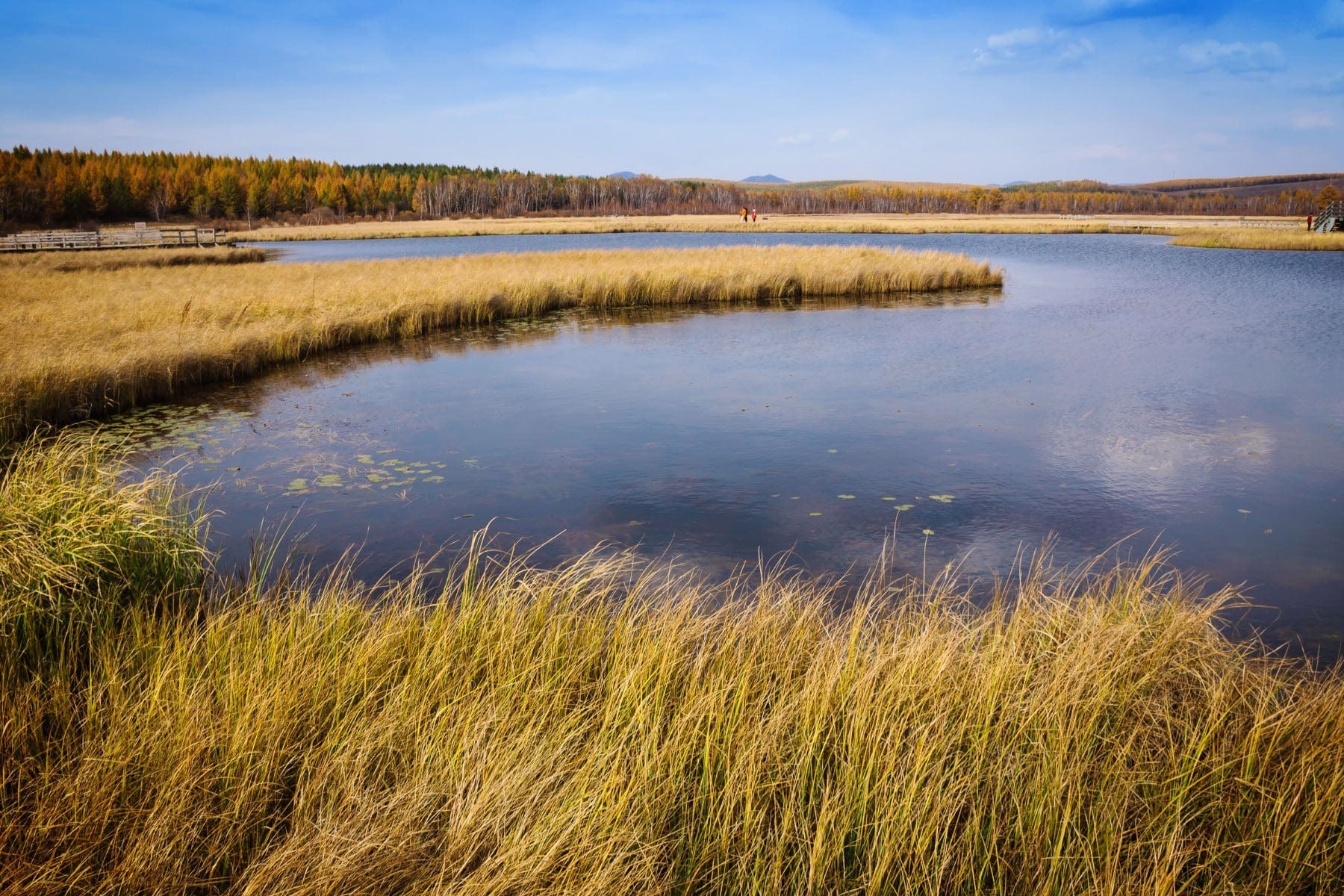
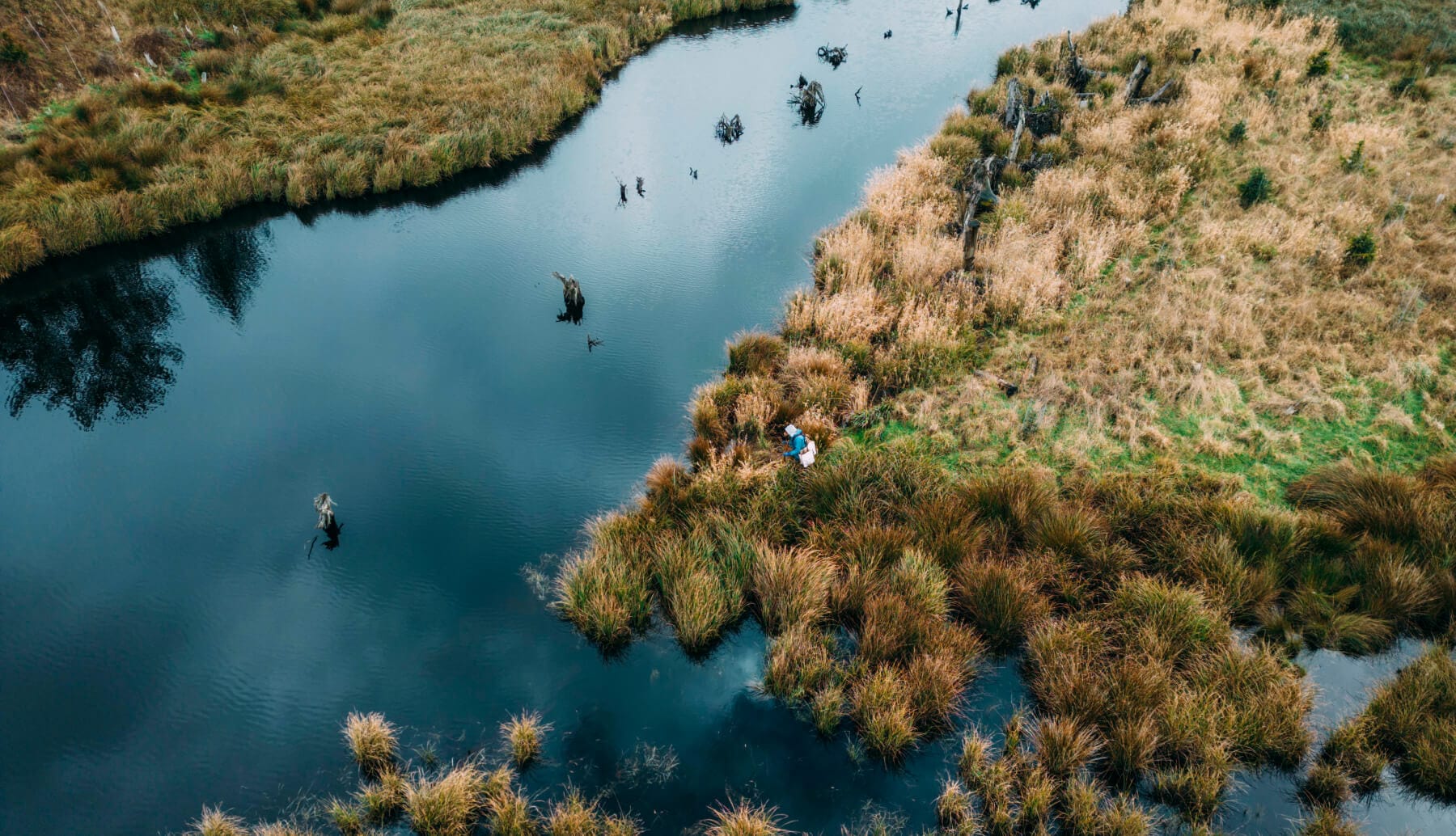
Wetlands are waterlogged landscapes where land and water merge to sustain biodiversity and ecosystem health. From amphibians to rare orchids, these unique ecosystems host specialized species. Through intricate soil-plant interactions, wetlands naturally filter pollutants, recharge aquifers, and deliver cleaner water to rivers and lakes.

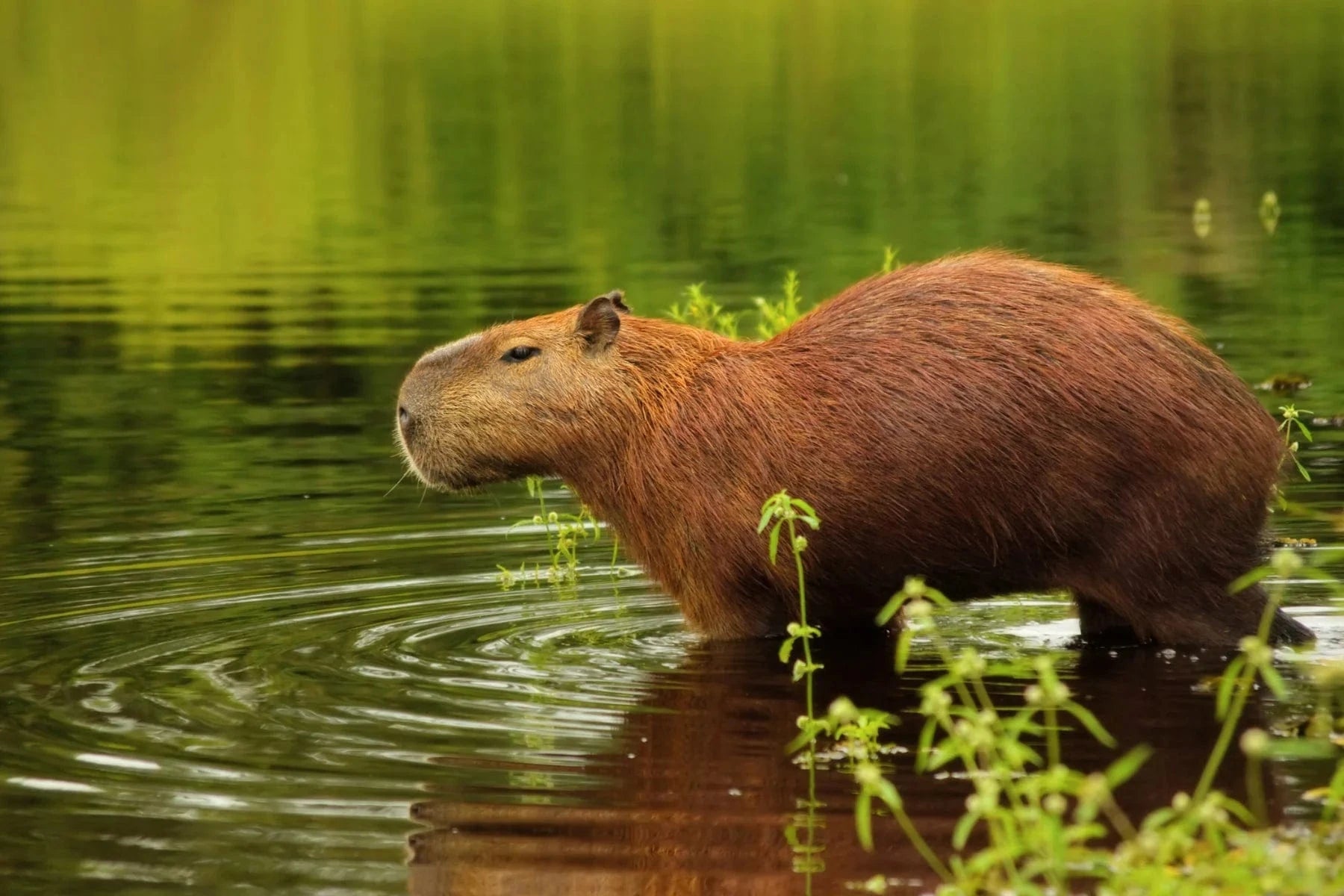
Wetlands support an exceptional range of plant and animal life, including many endangered species. In the United States alone, more than 1/3 of threatened and endangered species exclusively live in wetlands, and nearly half use them at some point in their lives.

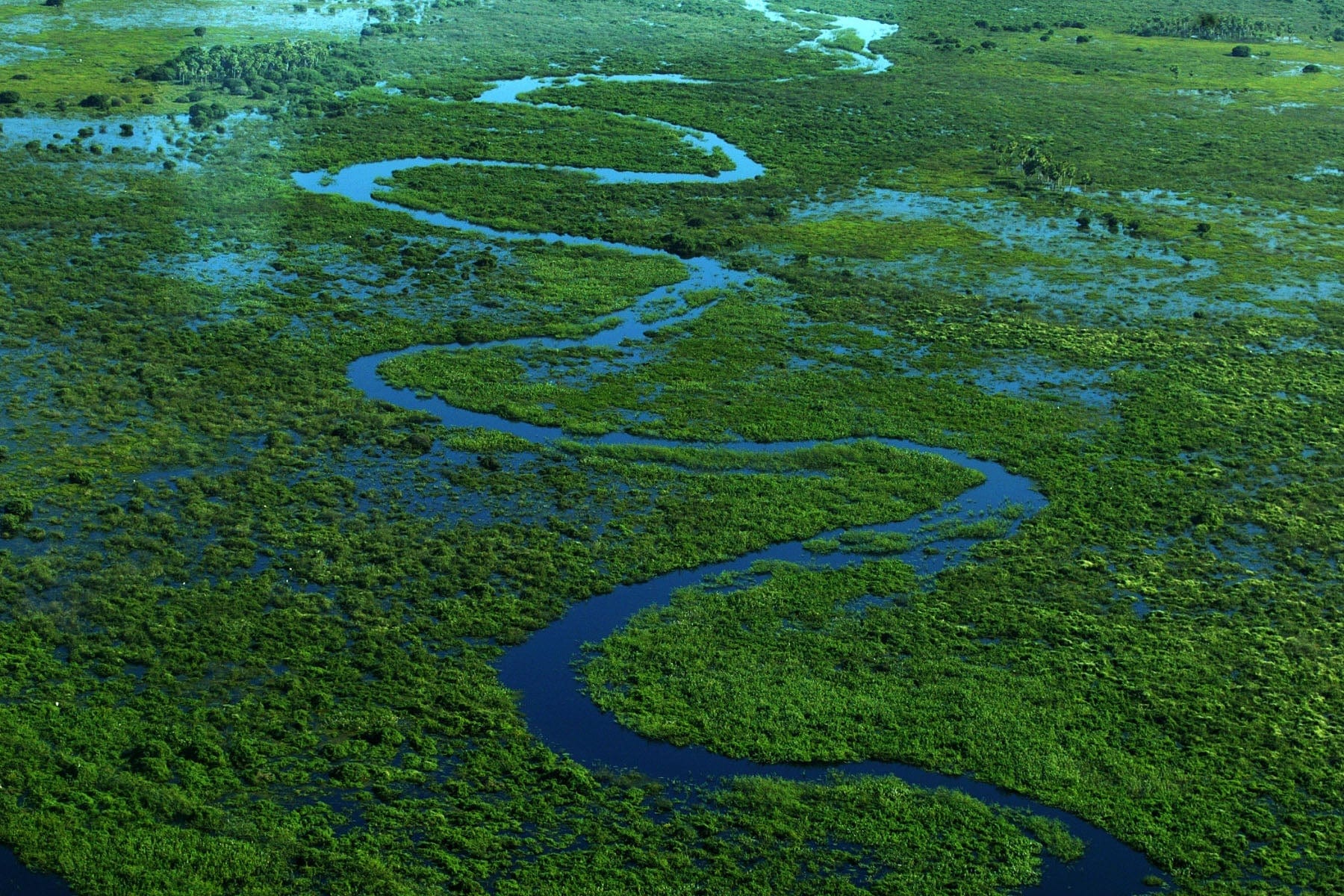
Spanning more than 42 million acres, the Pantanal is the largest tropical wetland in the world — and it's one of the most pristine, too. It sprawls across Bolivia, Brazil and Paraguay, and supports millions of people there, as well as communities downstream.

There are multiple classification systems used to categorize wetlands, and each follows specific criteria. The United States Fish and Wildlife Service uses the Cowardin system, which is based on landscape position, vegetation cover and hydrologic regime. The 5 types of wetlands under this system are known as marine wetlands, estuarine wetlands, riverine wetlands, lacustrine wetlands, and palustrine wetlands. The U.S. Army Corps of Engineers uses a classification system developed by Brison, which includes: riverine, slope depressional, flat and fringe. This system is based on geomorphic setting, dominant water source and hydrodynamics.

In a world where floods are becoming increasingly common, the need for wetlands is clear. A single acre of wetland can hold up to 1–1.5 million gallons of floodwater. This natural storage helps reduce flooding and protect nearby communities during major storms.

Everyone has heard of swamps, marshes, fens, or bogs, but did you know these are all wetlands in disguise? These terms describe distinct wetland types based on hydrology, soil chemistry, and vegetation, yet they function within the same ecological category. Do you have one nearby?

By now, we know that wetlands are an important barrier during storms, acting as nature’s first defense. Wetlands slow moving water and absorb its force before it reaches the surrounding landscape. This helps stabilize soil and reduce damage from heavy rainfall and rising floodwaters.

More than a billion people around the world depend on wetlands for their livelihoods – that’s about one in eight people on Earth.
Nature never fails to amaze us. Understanding all the incredible things that wetlands do only underscores how important it is to protect them. Planting trees near wetlands helps to enrich wildlife habitat and reduce disturbances from human activities — and protects wetland ecosystems by slowing the flow of stormwater, reducing erosion, and more. Support reforestation today!
03/06/2026 by Jill Ettinger
01/06/2026 by Meaghan Weeden
29/05/2026 by Meaghan Weeden
22/04/2026 by Meaghan Weeden
23/12/2025 by Meaghan Weeden
16/12/2025 by Meaghan Weeden
The Grove is more than just a monthly giving program: it's a vibrant community of individuals who are dedicated to reforestation and environmental restoration on a global scale.