Biodiversity Hotspots: The Last Strongholds of Global Biodiversity

by Meaghan Weeden May 20, 2026 5 min read

tropical bird biodiversity
Give today
Give monthly
5 20 50 100
$ USD
lock icon Secure checkout powered by Shopify

Get news, updates, & event Info delivered right to your inbox:

Key Takeaways: Biodiversity Hotspots

  • Critical Concentration of Life: Biodiversity hotspots are 36 critical regions that occupy only 2.5% of Earth's land surface but are home to more than half of the world's endemic plant species and nearly 43% of endemic bird, mammal, reptile, and amphibian species.
  • Major Threats to Species: The five main global causes of biodiversity loss are habitat destruction, over-exploitation, biological invasions, climate change, and pollution. Currently, over 48,600 species are threatened with extinction globally.
  • Endangered Hotspots: Key hotspots like Madagascar (over 90% endemic mammals and reptiles) and the Atlantic Forest (only 24% of its original extent remaining) face intense pressures from agriculture, urbanization, logging, and climate change.
  • The Path Forward: Restoration efforts, such as those by One Tree Planted, focus on restoring critical forest habitats in these vulnerable areas to protect endemic species and fragile ecosystems.

Biodiversity Hotspots and the Race Against Extinction

Coral cities built by tiny architects. River deltas that redraw themselves. Forests that transform light into food. Soils that turn death into fertility. Migrations that stitch continents together. Earth is a vast living system, and humans have only documented a fraction of the life we share it with. One widely cited 2011 study estimated there are ∼8.7 million living species, but that's far from the final word. New research methods continue to reveal more life forms than earlier studies could detect.

Biodiversity is More Threatened then Ever

Today, the IUCN Red List has identified over 172,600 species that are under threat. 48,600 of those face extinction, including 44% of reef-building corals, 41% of amphibians, 38% of trees, 38% and sharks and rays, 34% of conifers, 26% of mammals, 26% of freshwater fishes, and 11.5% of birds.

Globally, the five main causes of biodiversity loss are generally recognized as: 

  • Habitat destruction 
  • Over-exploitation 
  • Biological invasions 
  • Climate change 
  • Pollution 

Various local stressors and disruptions also have a significant impact. 

Biodiversity Hotspots are a Critical Refuge

36 biodiversity hotspots represent the last refuges for many of those species. Although these critical regions cover only 2.5% of Earth's land surface, their intact habitats are home to more than half of the world's endemic plant species (species found nowhere else) and nearly 43% of endemic bird, mammal, reptile, and amphibian species.

Amidst a changing climate and growing global population, protecting and restoring the world's remaining biodiversity hotspots is more important than ever.

Biodiversity Hotspots Where Nature Is Still Hanging On

Madagascar

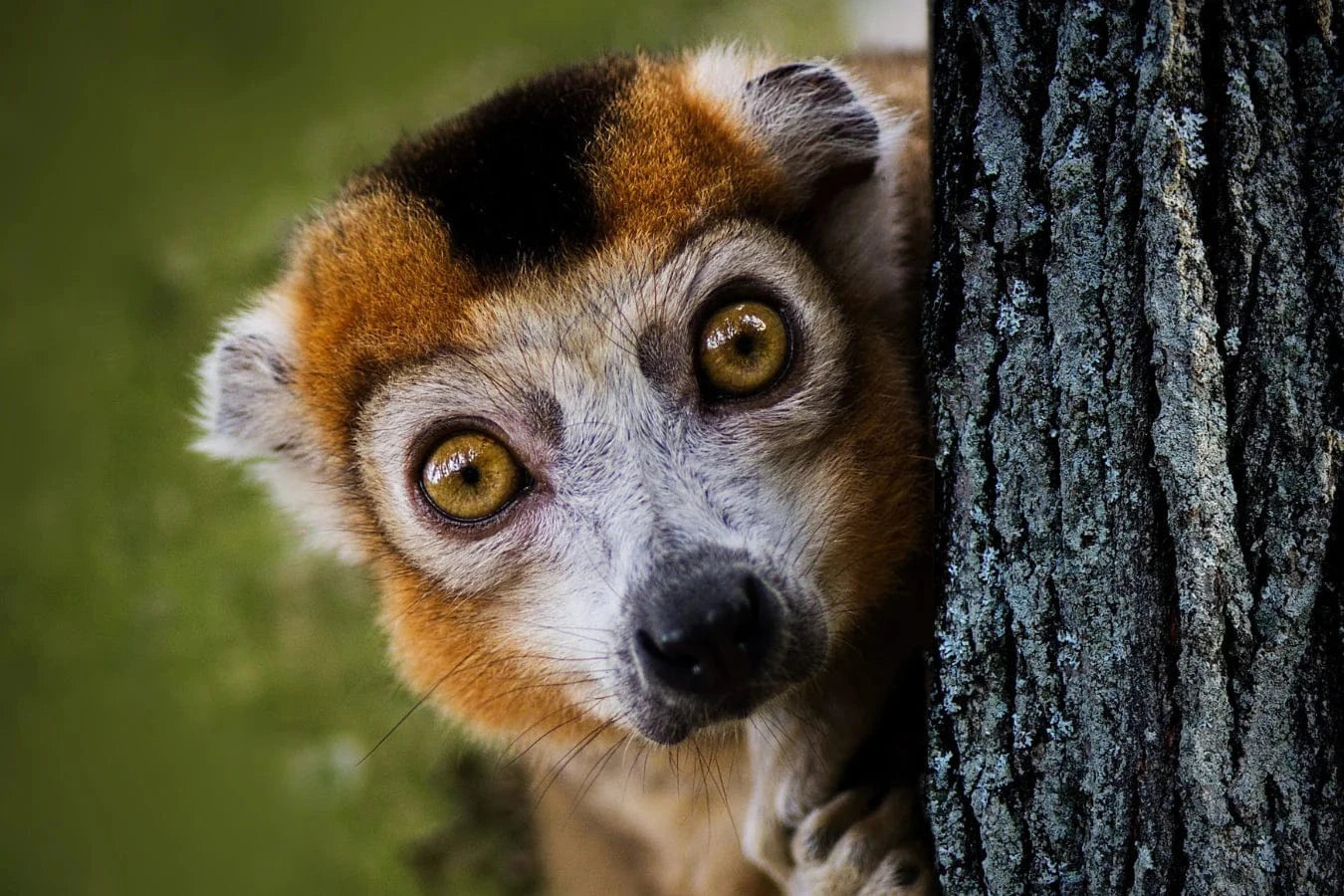
Madagascar, the world's fourth-largest island, was shaped by two great geological events. It first separated from mainland Africa around 170 million years ago, and then broke away from the Indian subcontinent about 90 million years ago. Each split tilted the island's terrain and reshaped its river systems in ways that, according to a 2025 study in Science Advances, acted as a "speciation pump," creating fragmented environments where species evolved independently. This prolonged isolation has created one of Earth's most unique biodiversity hotspots: scientists estimate that around 90% of its mammals and reptiles and more than 80% of its plants exist nowhere else on Earth. Today, the island's extraordinary biodiversity is threatened by deforestation and forest degradation, driven by tavy (a traditional form of slash and burn agriculture). Species are also threatened by hunting and trafficking, invasive species, and climate change.

Brazil’s Atlantic Forest Region

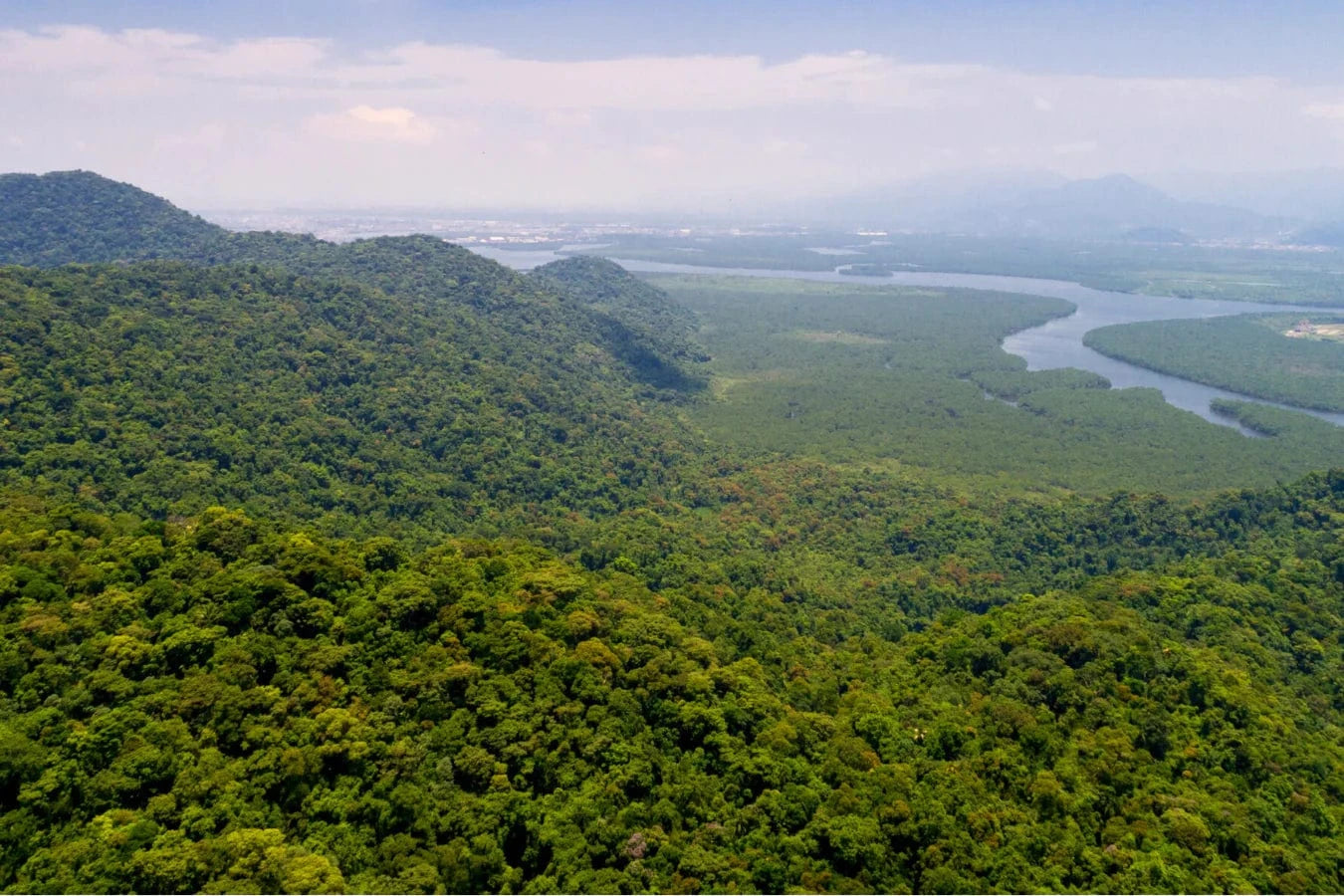
Home to over 20,000 vascular plant species alone, around 8,000 of which are found nowhere else, the Atlantic Forest is considered one of the world's most critical biodiversity hotspots. Once spanning over 330 million acres, it is also one of the world's most threatened biomes: centuries of agricultural and urban expansion have destroyed nearly 90% of its original vegetation. While around 24% of the biome retains some vegetative cover, only 12.4% of that is mature, protected forest. What remains is highly fragmented, and 97% of those fragments are smaller than 50 hectares. This makes ecological connectivity one of the greatest challenges facing Atlantic Forest biodiversity today.

California Floristic Province

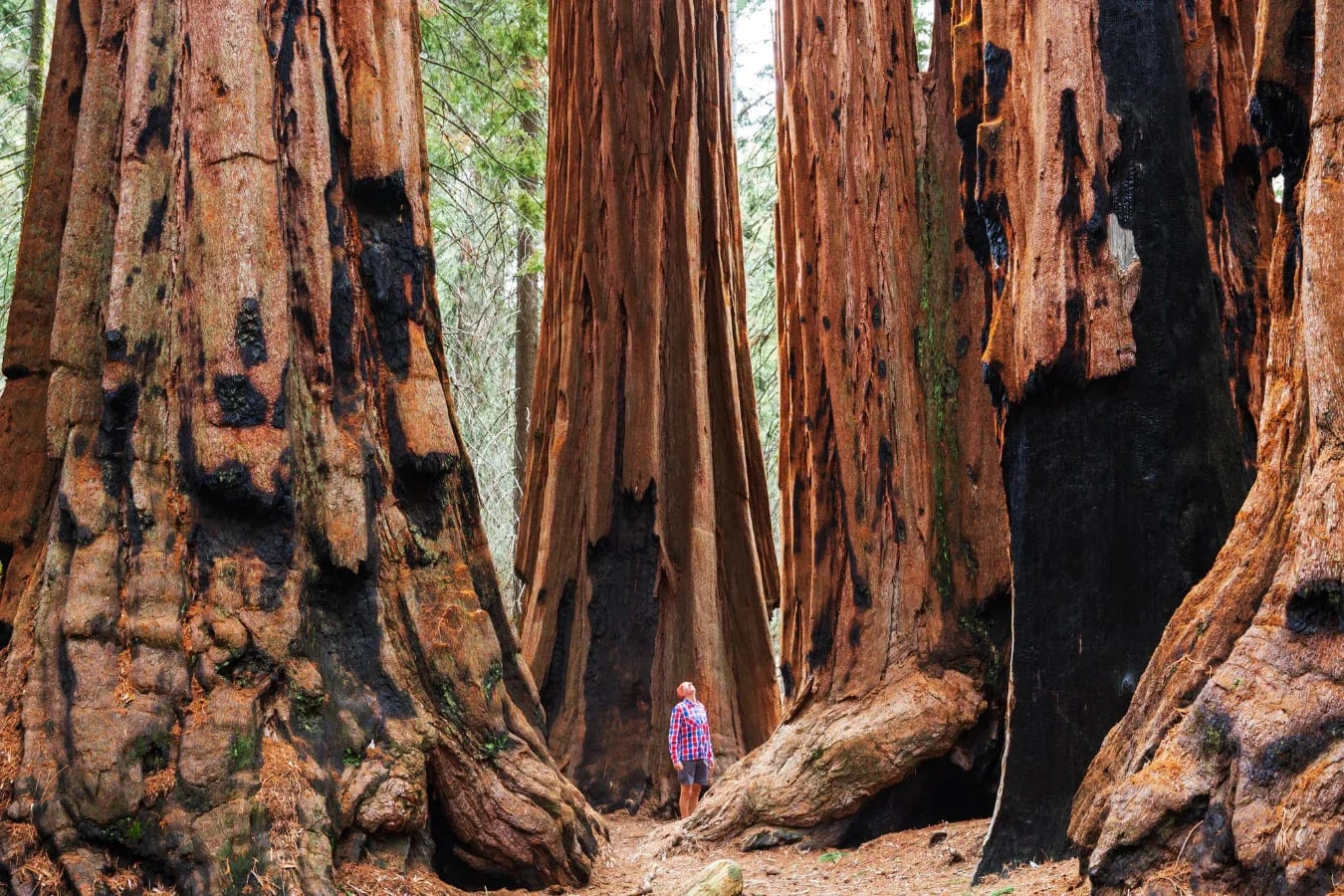
Stretching from Baja California northward into southwestern Oregon, California's Floristic Province is one of the world's most celebrated biodiversity hotspots. It's home to an estimated 3,500 species of vascular plants, more than 61% of which are found nowhere else on Earth. The region is also home to two of the most iconic trees on the planet: the giant sequoia, the largest living organism on Earth, and its taller but less massive relative, the coastal redwood, both of which listed as Endangered by the IUCN. Threats to this biodiversity hotspot go beyond development and wildfire alone: direct pressures on its ecosystems include urbanization, large-scale agricultural expansion, invasive species, road construction, livestock grazing, logging, and the historical suppression of natural fires. All of these threats are compounded by a changing climate that is intensifying drought and increasing the scale and severity of wildfires.

South Africa’s Cape Floral Region

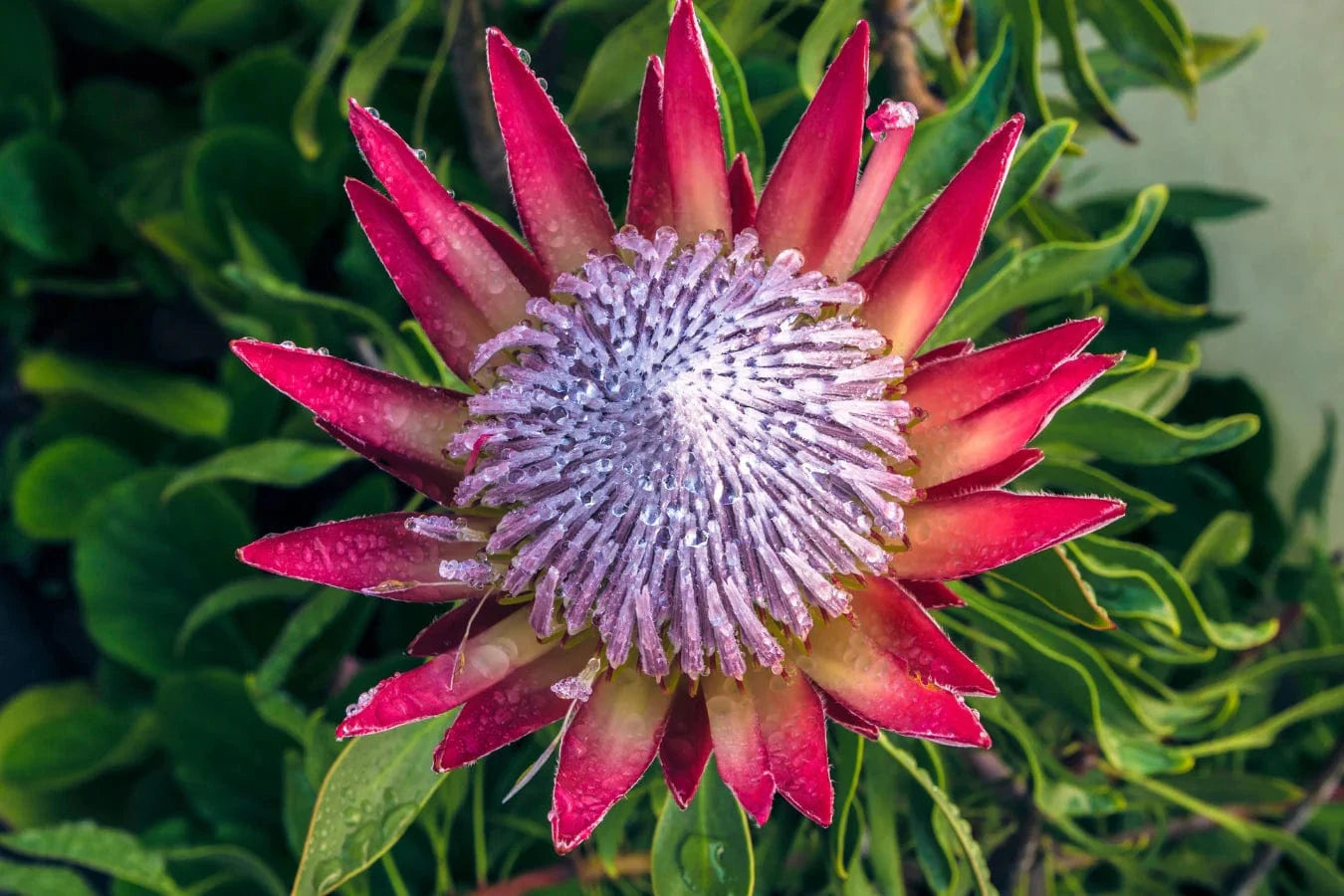
South Africa's Cape Floristic Region, the world's smallest floral kingdom and one of its greatest biodiversity hotspots, is home to around 9,000 higher plant species, 69% of which are found nowhere else on Earth. Notable plants include the king protea (Protea cynaroides), South Africa's national flower, and Fynbos — a fine-leaved, sclerophyllous shrubland uniquely adapted to the region's Mediterranean climate and periodic fire cycles, on which many of its species depend for regeneration. The greatest threats to the region are land conversion and invasive alien species, alongside increasingly intense and frequent wildfires driven by climate change and the spread of invasive woody plants that raise fuel loads.

The Philippines

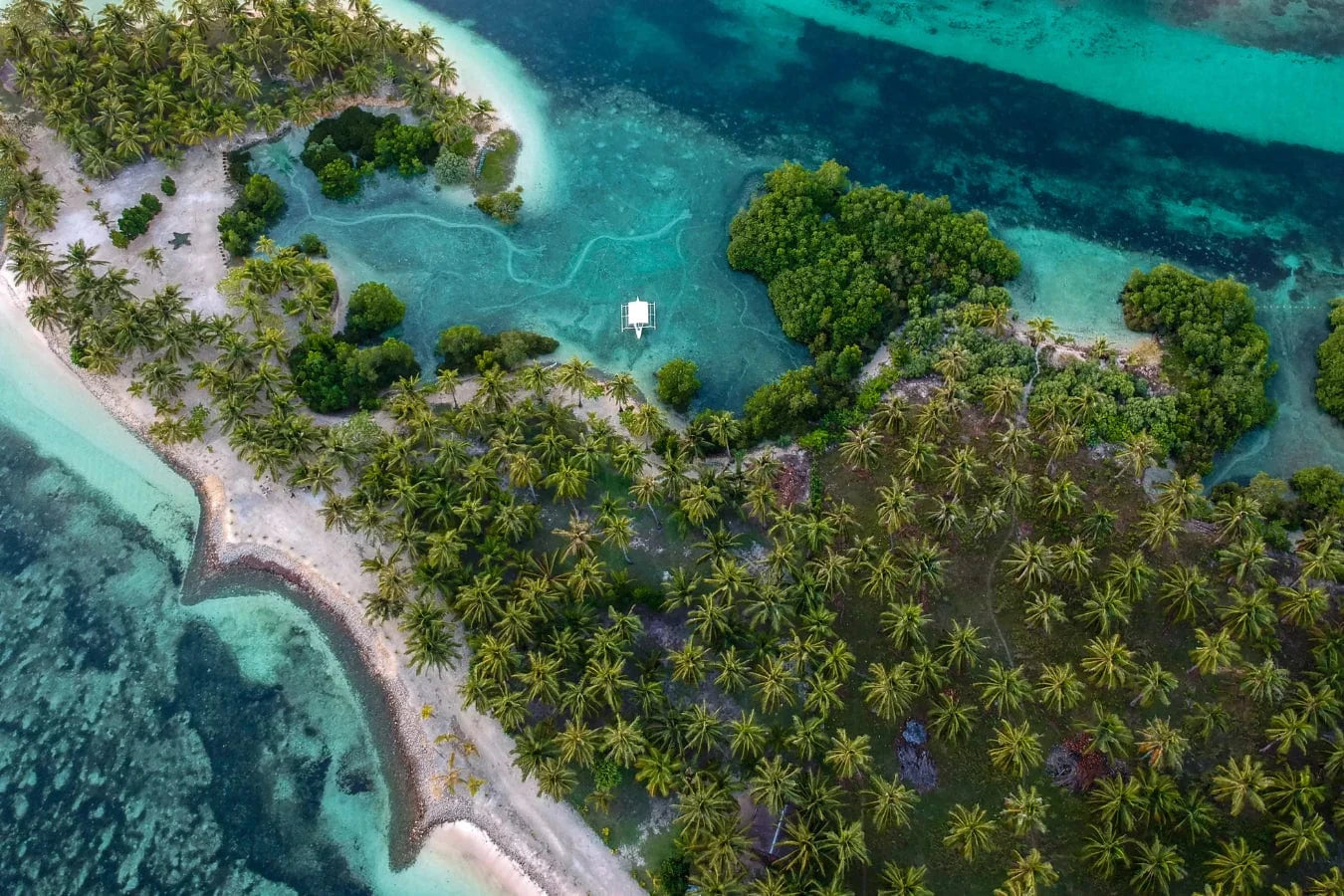
The Philippines, an archipelago of more than 7,000 islands in Southeast Asia, is one of the world’s 18 megadiverse countries and a global biodiversity hotspot. It is home to over 50,000 plant species, including more than 3,000 endemic species, and at least 49% of its terrestrial wildlife is endemic. This exceptional biodiversity is under serious pressure from habitat loss, habitat fragmentation, overexploitation, invasive species, pollution, and climate change.

Thailand

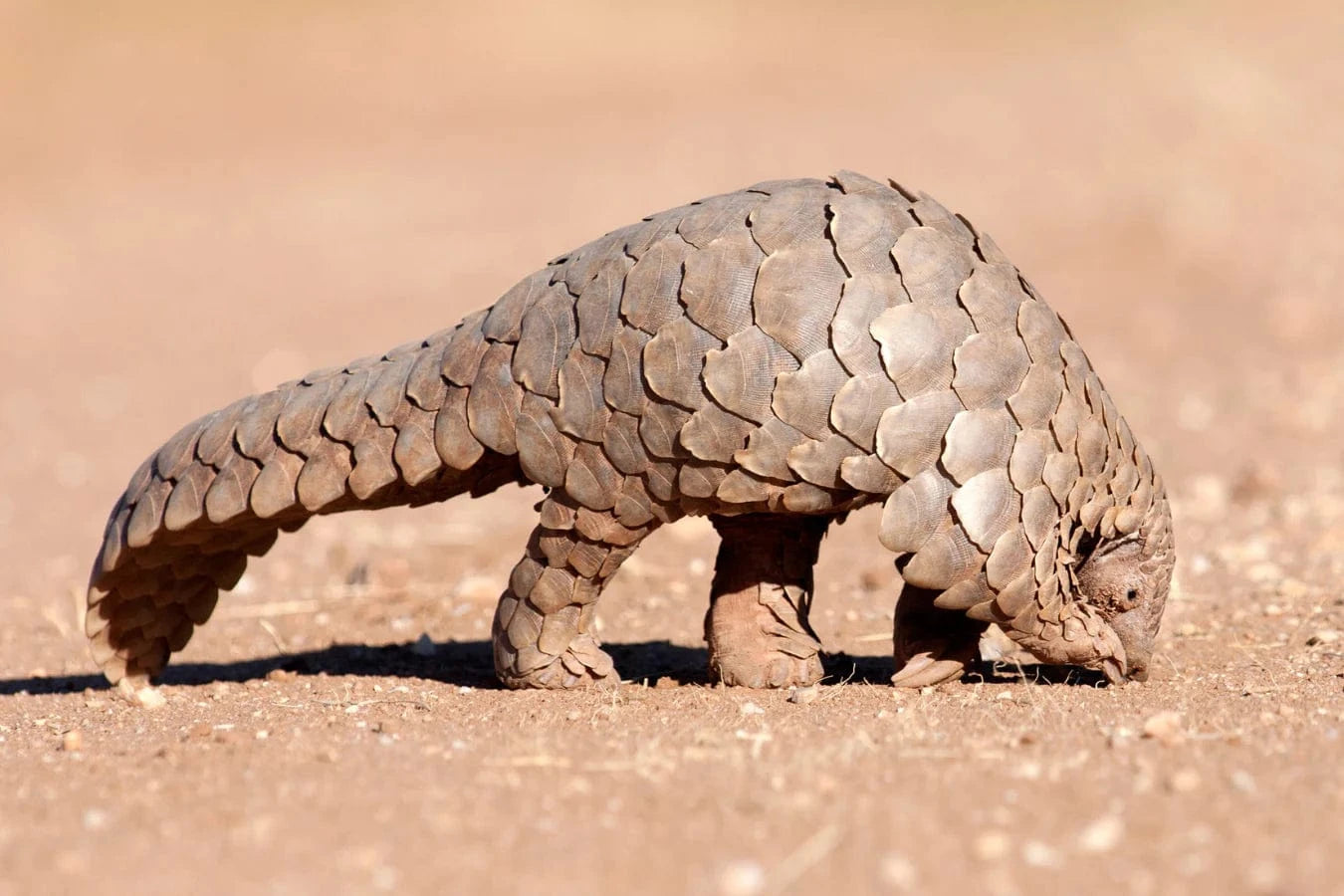
If you’ve ever vacationed in Thailand, you know why this beautiful country has made the list! As one of the most biodiverse countries in Southeast Asia, Thailand is home to around 15,000 plant species, making up 8% of the world's total. Its wildlife includes iconic species such as the Asian Elephant, Sunda Pangolin and Indochinese Tiger. Many species face pressure from illegal hunting, habitat loss, destructive fishing practices, pollution, invasive species, and climate change.

We are working around the world to restore forests in and near many of these biodiversity hotspots. When you plant trees for biodiversity, you're helping to restore critical habitat for wildlife — some of which are threatened or endangered.

Give today
Give monthly
5 20 50 100
$ USD
lock icon Secure checkout powered by Shopify

Get news, updates, & event Info delivered right to your inbox: