Get news, updates, & event Info delivered right to your inbox:
Key Takeaways: Learn About Biodiversity and How to Prevent Biodiversity Loss
Biodiversity is critical for life on Earth. Biodiversity at the genetic, species, and ecosystem levels is essential for maintaining healthy, resilient ecosystems that support life on Earth.
Human activities are driving rapid biodiversity loss. Major threats include habitat destruction, invasive species, overexploitation, pollution, and climate change, which together accelerate species declines.
Local engagement matters. Restoring habitats, educating youth, volunteering, and supporting conservation initiatives all make a positive impact on biodiversity.
Small steps add up. Even everyday choices like composting, reducing chemical use, and mindful pet care contribute to healthier ecosystems and biodiversity protection.
Biodiversity Loss Is A Leading Global Issue: Here Are 12 Ways You Can Help Prevent It
Biodiversity is the variety of life on Earth, from genes to species to ecosystems, and it supports the natural systems and processes that make life possible. Protecting biodiversity is essential to the health of our planet and everyone who depends on it (ourselves included!). From the oxygen we breathe to the food we eat, healthy, biodiverse ecosystems sustain life in countless ways.
But biodiversity is declining rapidly. Habitat loss, invasive species, overexploitation, pollution, and climate change are driving species declines at an alarming rate. The good news is that people can help protect biodiversity in their own communities and around the world.
Watch Our Video to Learn About Biodiversity
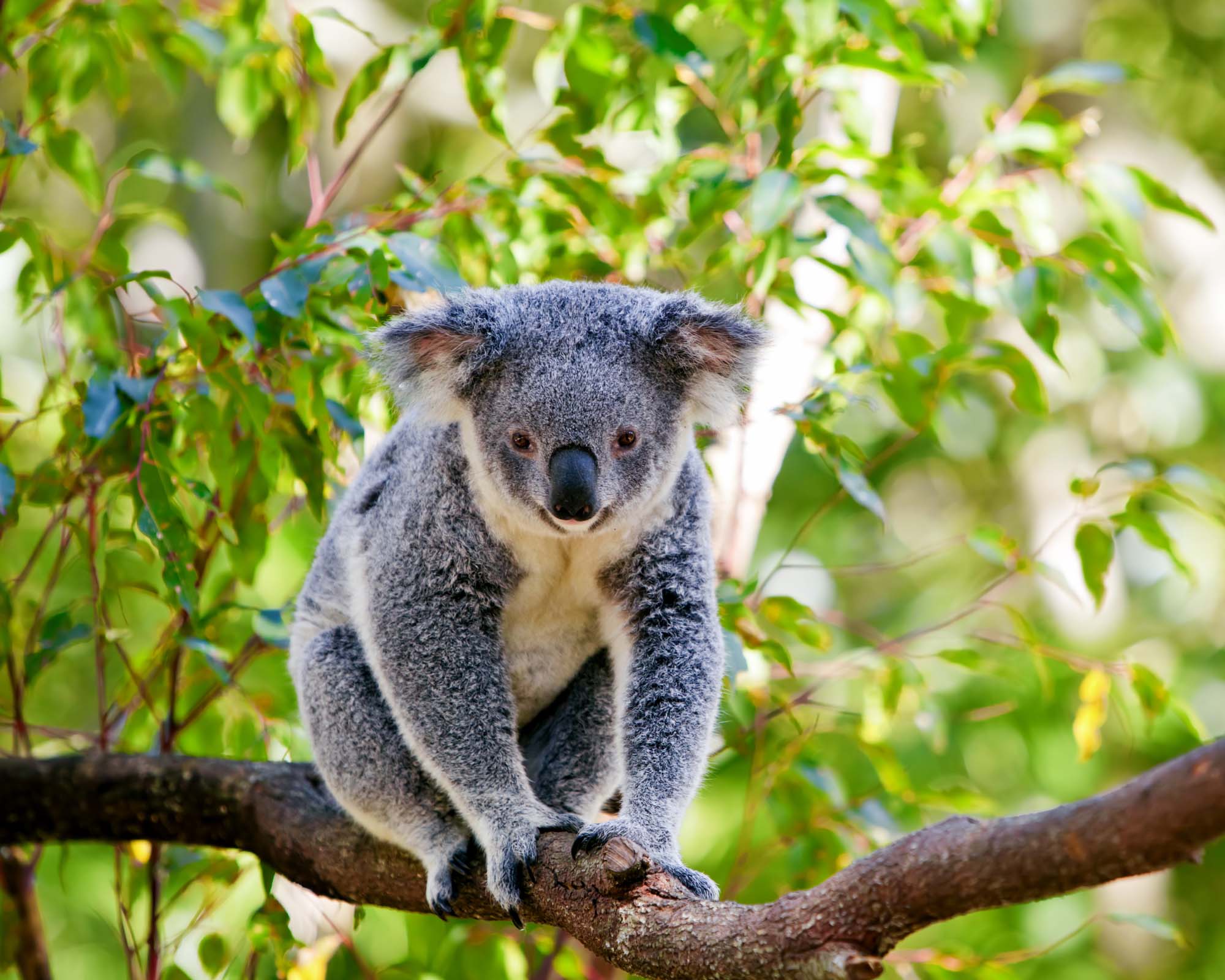
The International Union for Conservation of Nature (IUCN) Red List has identified that more than 48,600 species that are threatened with extinction. Scientists estimate that Earth's baseline extinction rate is about one species lost each year for every million species that exist. Unfortunately, the extinction rate we see today is hundreds, and possibly thousands, of times higher than that. Unlike past mass extinction events, this one is primarily driven by human activity.
The five major threats to biodiversity are:
Habitat loss
Invasive species
Overexploitation
Pollution
Climate change
Here are 12 ways you can help prevent biodiversity loss in your neighborhood and beyond.
1. Buy Sustainable And Fairtrade Products
Choosing sustainable and Fairtrade products is a simple yet impactful change anyone can make. Look for certifications like Fairtrade or Rainforest Alliance to support farming practices that reduce habitat loss and encourage healthier ecosystems.
2. Ditch The Lawn And Garden Chemicals
Over 60 years after Rachel Carson's Silent Spring made Americans aware of the dangers of chemical pesticides, many harmful fertilizers, insecticides, pesticides and herbicides continue to be sold. These products contaminate our soil and water, harming insects, birds, fish, pets and even children. Choosing natural alternatives helps protect local ecosystems and the species that depend on them.
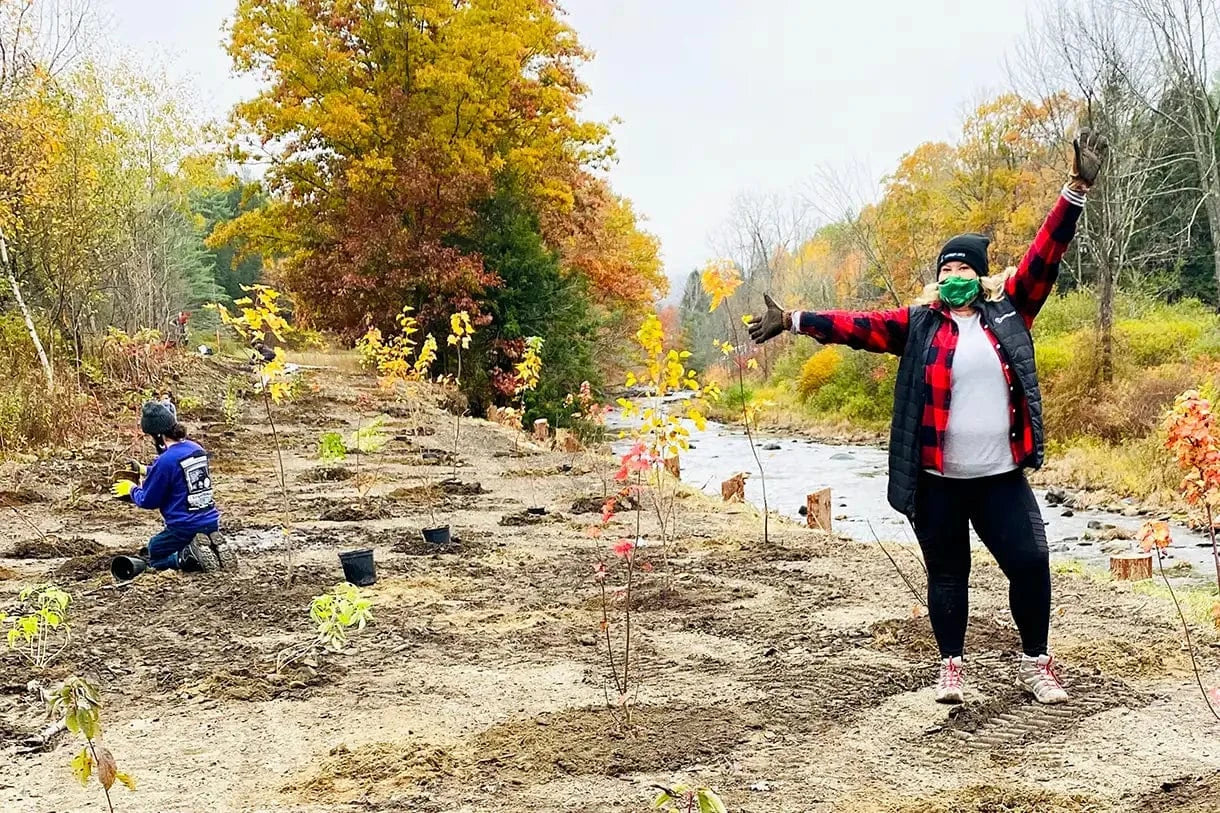
3. Plant Trees for Biodiversity
The world's forests shelter a breathtaking 80% of all land-based species — including 80% of amphibian species, 75% of bird species, and 68% of mammal species. Planting trees restores critical habitat for biodiversity, while also strengthening the ecosystem services we all rely on.
4. Protect Local Habitats
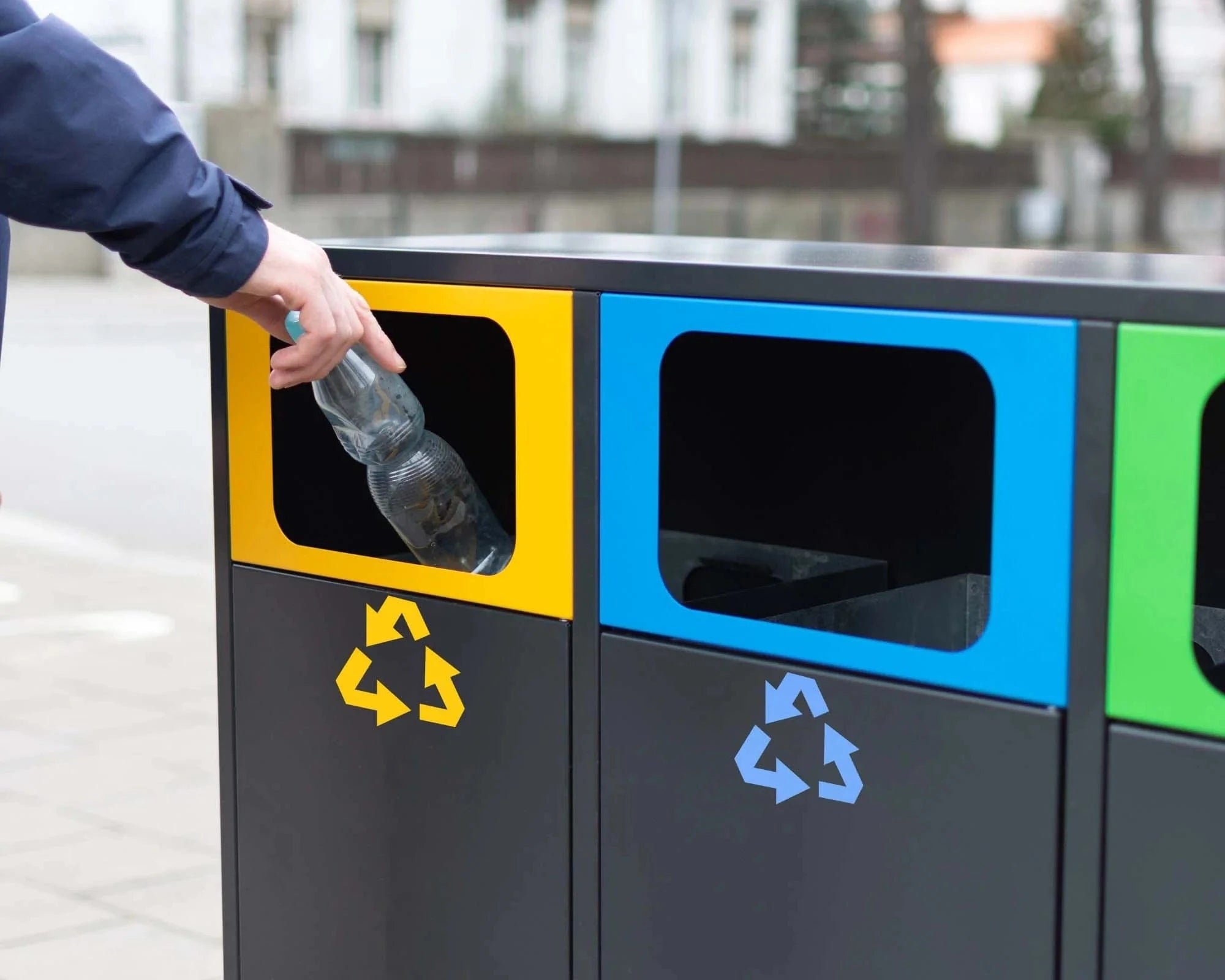
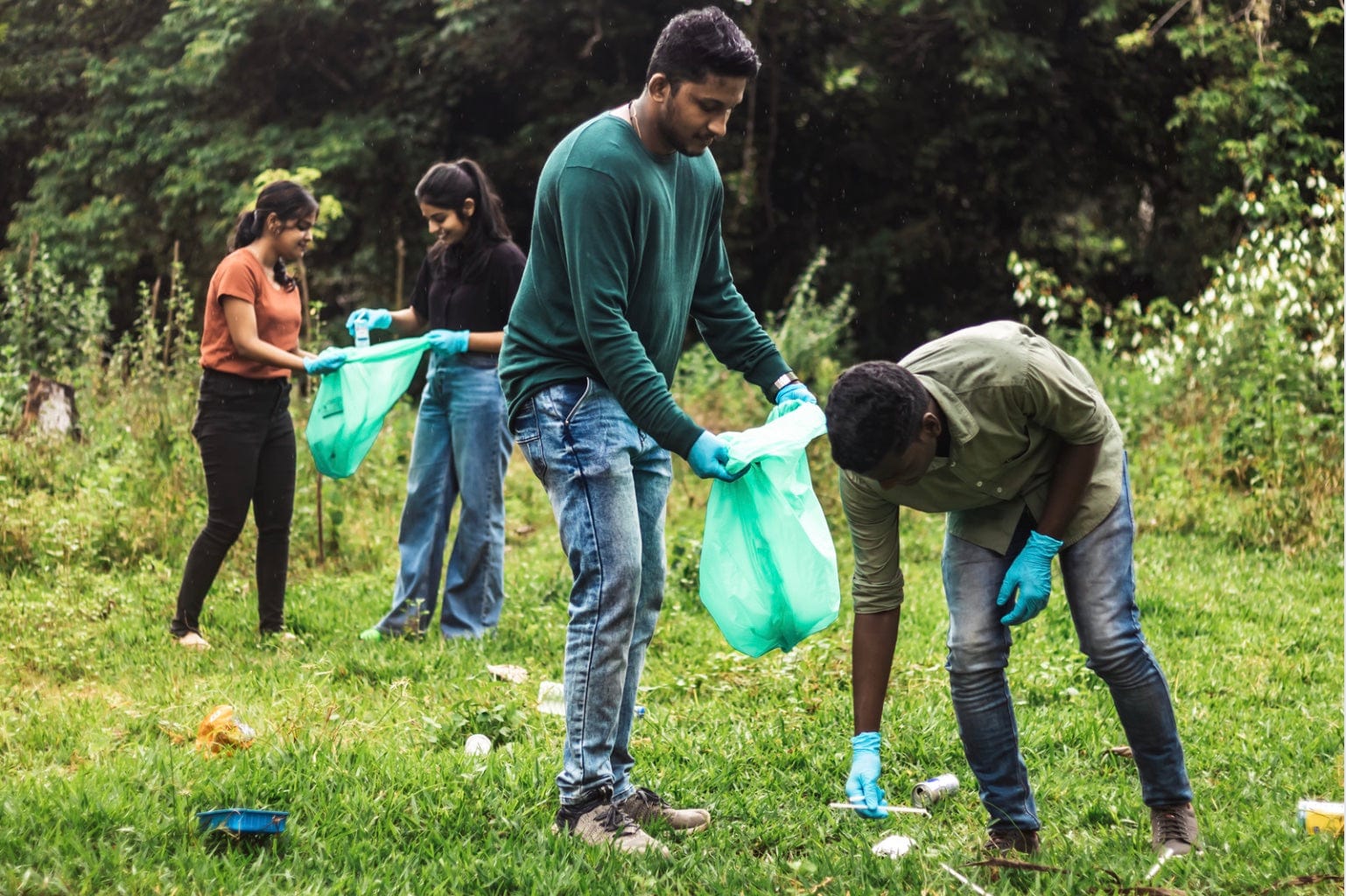
Litter and pollution can damage ecosystems and harm the wildlife that depends on them. Whether you join a beach cleanup or simply pick up trash on your daily walk, reducing waste in the environment helps protect local biodiversity.
5. Choose local and organic foods
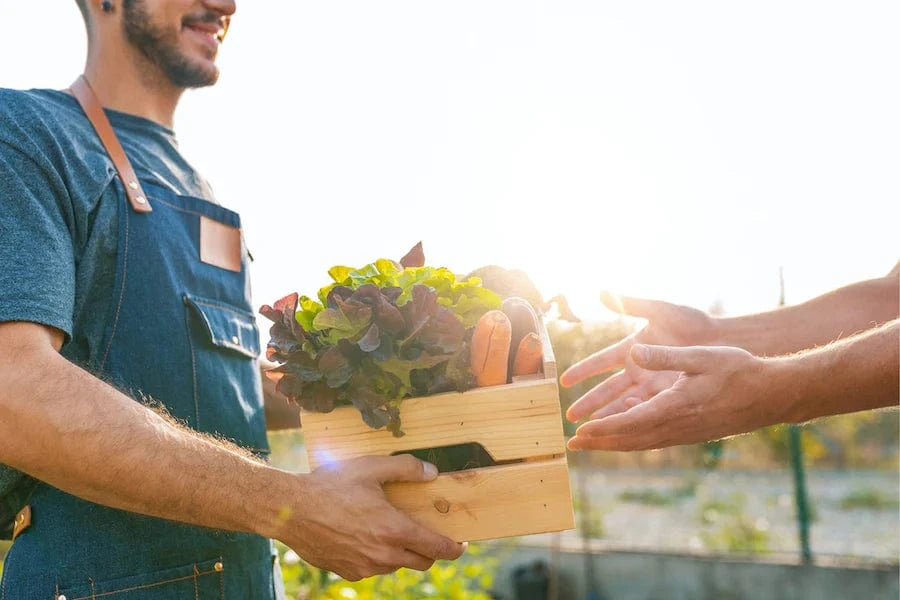
Shopping at farmers markets and choosing seasonal, organic produce can reduce demand for industrial agriculture, a major driver of deforestation. You can also lower your environmental impact by eating more plant-based foods and reducing meat and dairy consumption.
6. Create A Biodiversity-Friendly Yard
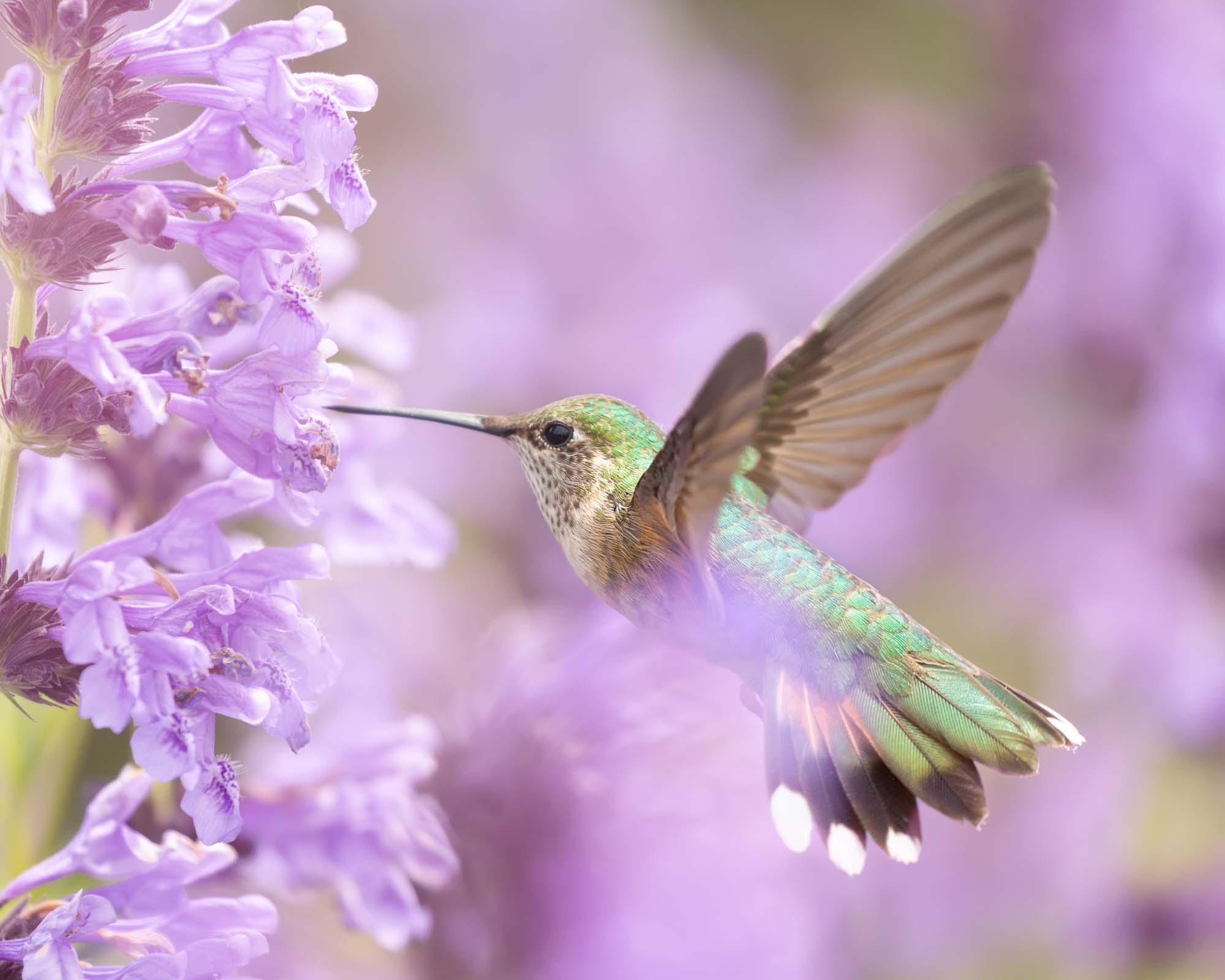
A perfectly trimmed lawn may look neat, but it offers little value to wildlife. Leave part of your yard in a more natural state and plant native shrubs, flowers, or trees to provide food, shelter, and water for local species. Butterflies, bees, and hummingbirds are among the charismatic new neighbors you might attract!
7. Teach Youth About Biodiversity
Educating young people about biodiversity helps build lifelong conservation habits. Talk with children, students, and neighbors about why healthy ecosystems matter. And if you're a teacher or homeschooler, check out our free environmental education curriculum!
8. Compost Kitchen Scraps
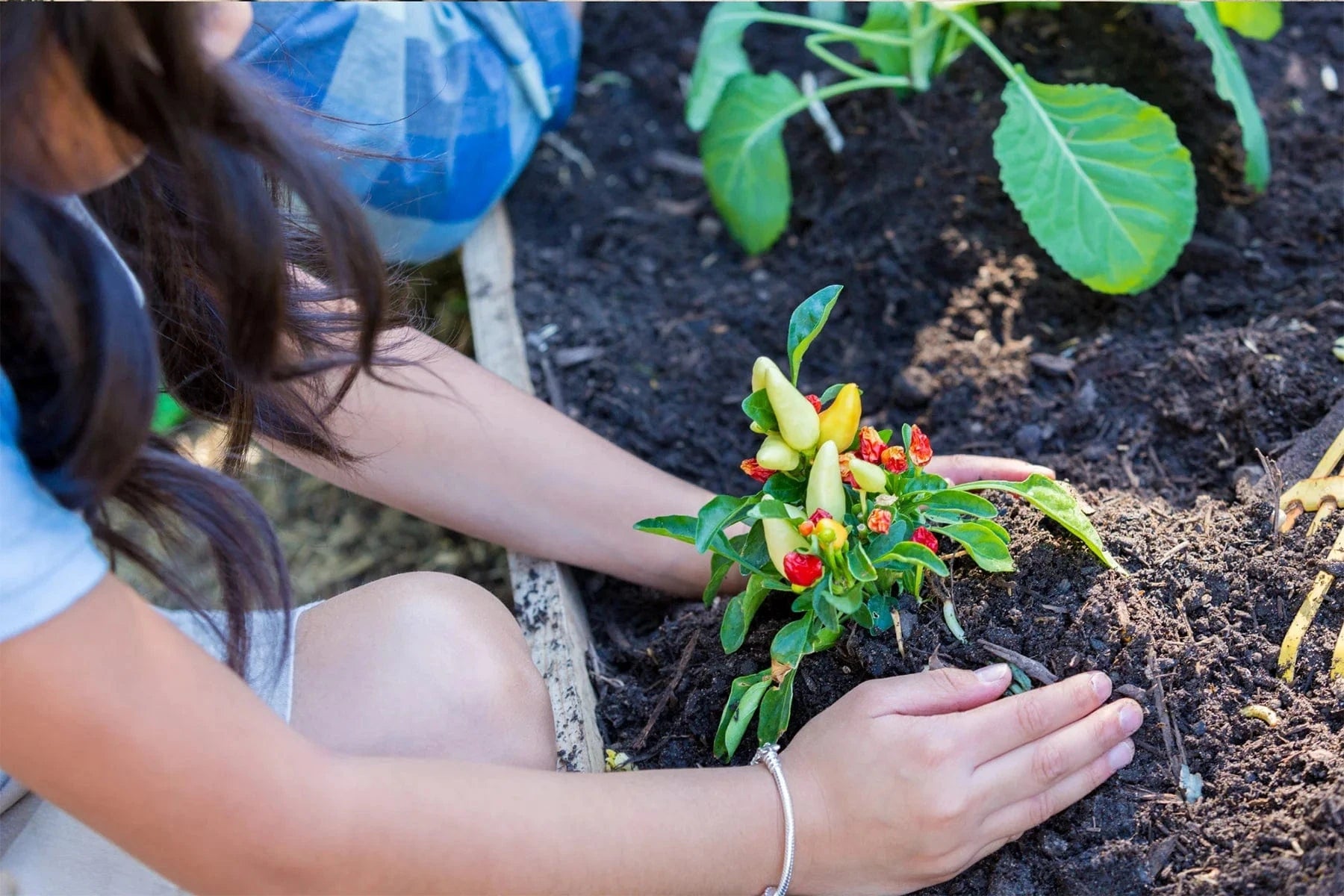
Composting is an easy way to reduce waste and create natural fertilizer for your garden. Fruit and vegetable scraps, eggshells, tea bags, and coffee grounds can all break down into nutrient-rich compost that improves soil and supports beneficial organisms.
9. Keep Pets From Harming Wildlife
When researchers from the Smithsonian institute and the USFWS combined data, they found that in the United States alone, cats kill between 1.3-4 billion birds every year, as well as between 6.3-22.3 billion small mammals. Responsible pet ownership can help protect birds, small mammals, reptiles, and amphibians. Keeping cats indoors, supervising dogs outdoors, and using tools like bell collars can reduce harm to local wildlife.
10. Volunteer Your Time
Volunteering with an environmental organization or wildlife rescue is a meaningful way to support biodiversity in your area. Whether you plant trees, restore habitat, or transport injured wildlife to a licensed wildlife rehab, your time can make a real difference.
11. Reduce Carbon Emissions
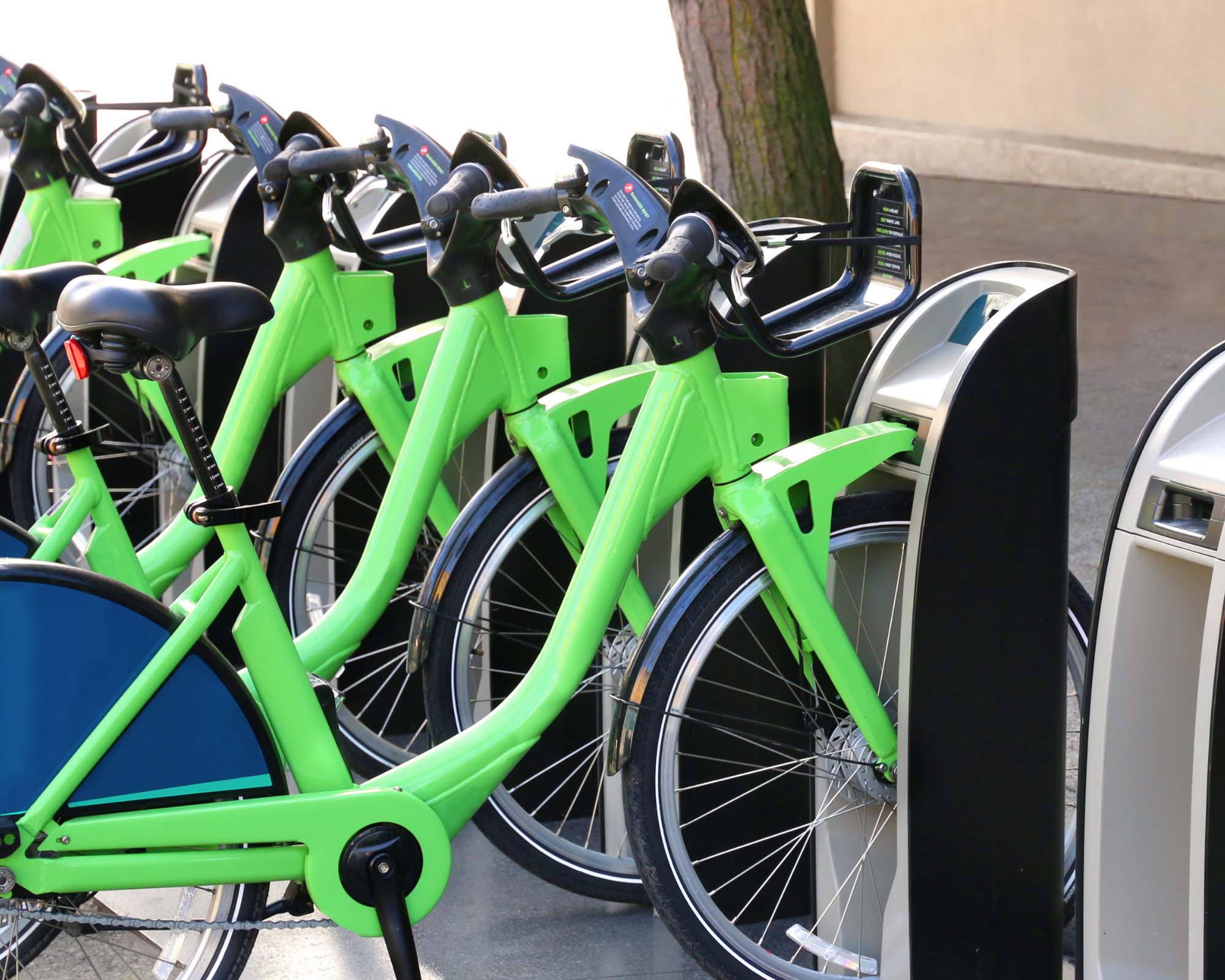
Reducing your carbon footprint helps slow climate change, one of the biggest threats to biodiversity. Walking, biking, carpooling, and using public transit are all practical ways to cut emissions while improving your own health.
12. Advocate for Nature
Supporting policies and initiatives that protect habitats and species helps biodiversity on a larger scale. You can contact elected officials, volunteer with local organizations, or advocate for endangered plants and animals in your community.
The Grove is more than just a monthly giving program: it's a vibrant community of individuals who are dedicated to reforestation and environmental restoration on a global scale.