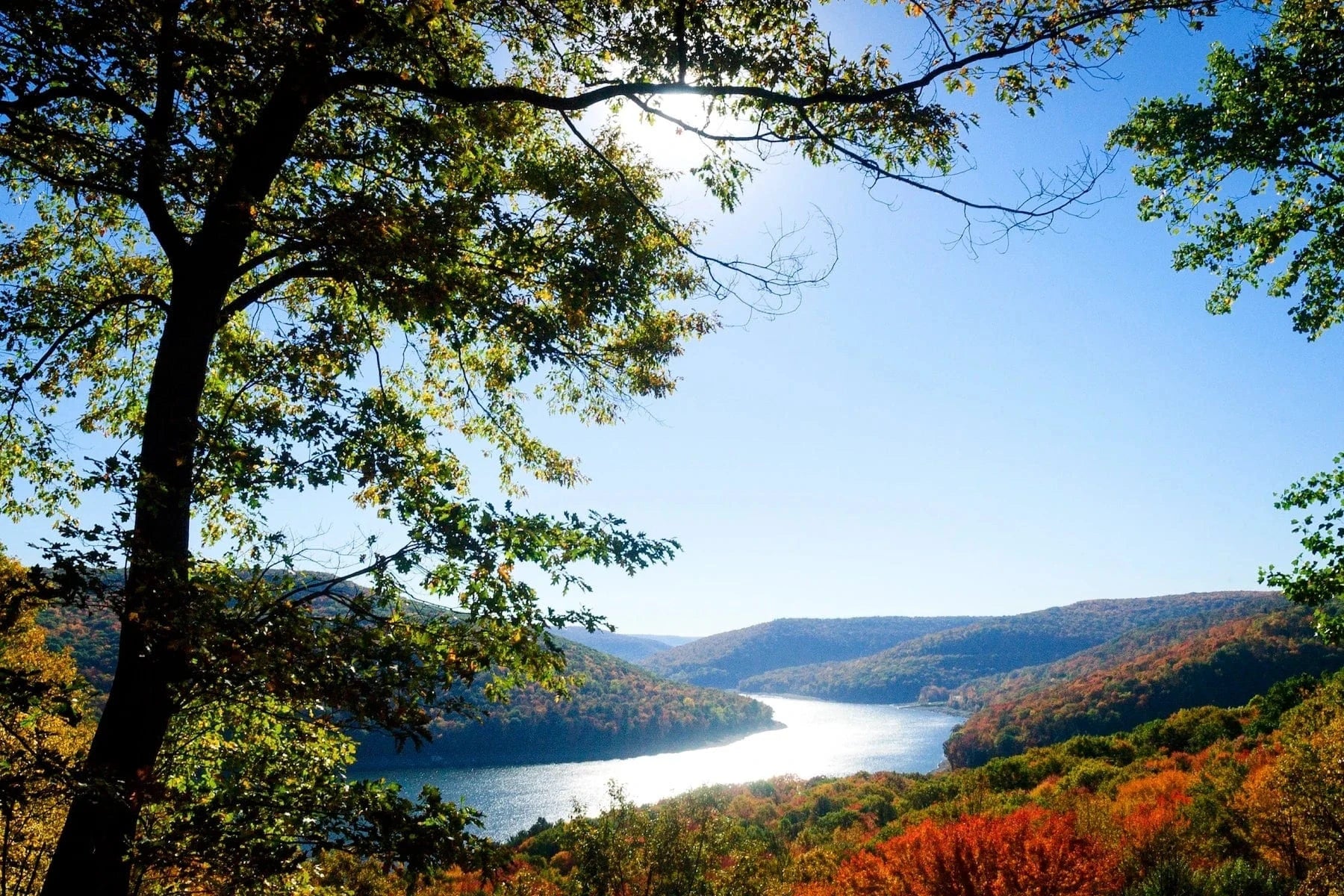
Our projects focus on restoring priority landscapes around the world—places where forests can make the biggest difference for nature and communities.
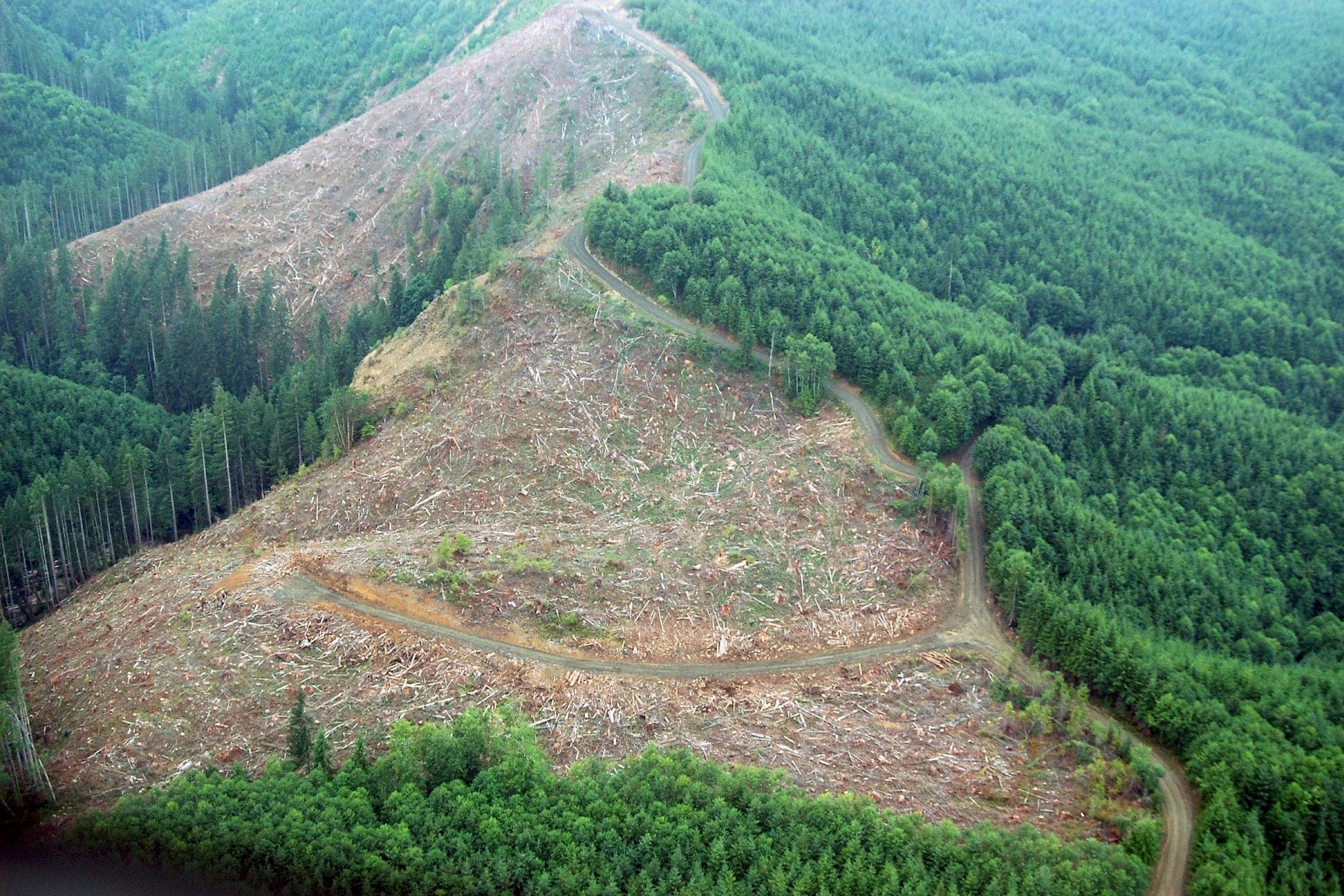
Click here to learn about our workForests are full of surprises, from tiny insects in the soil to towering trees and the animals that call them home. Unfortunately, forests are threatened by deforestation, which is the clearing of trees and forest land. The good news is that reforestation helps bring trees back, restore habitats, and support healthier forests for the future.
In this post, we’re sharing forest facts for kids that make it easy to learn why forests matter. Forests help clean our air, support wildlife, store carbon, and protect the planet we all depend on. And if you're looking for even more kid-friendly and teacher-friendly resources about forests, check out our T.R.E.E.S. School Program.

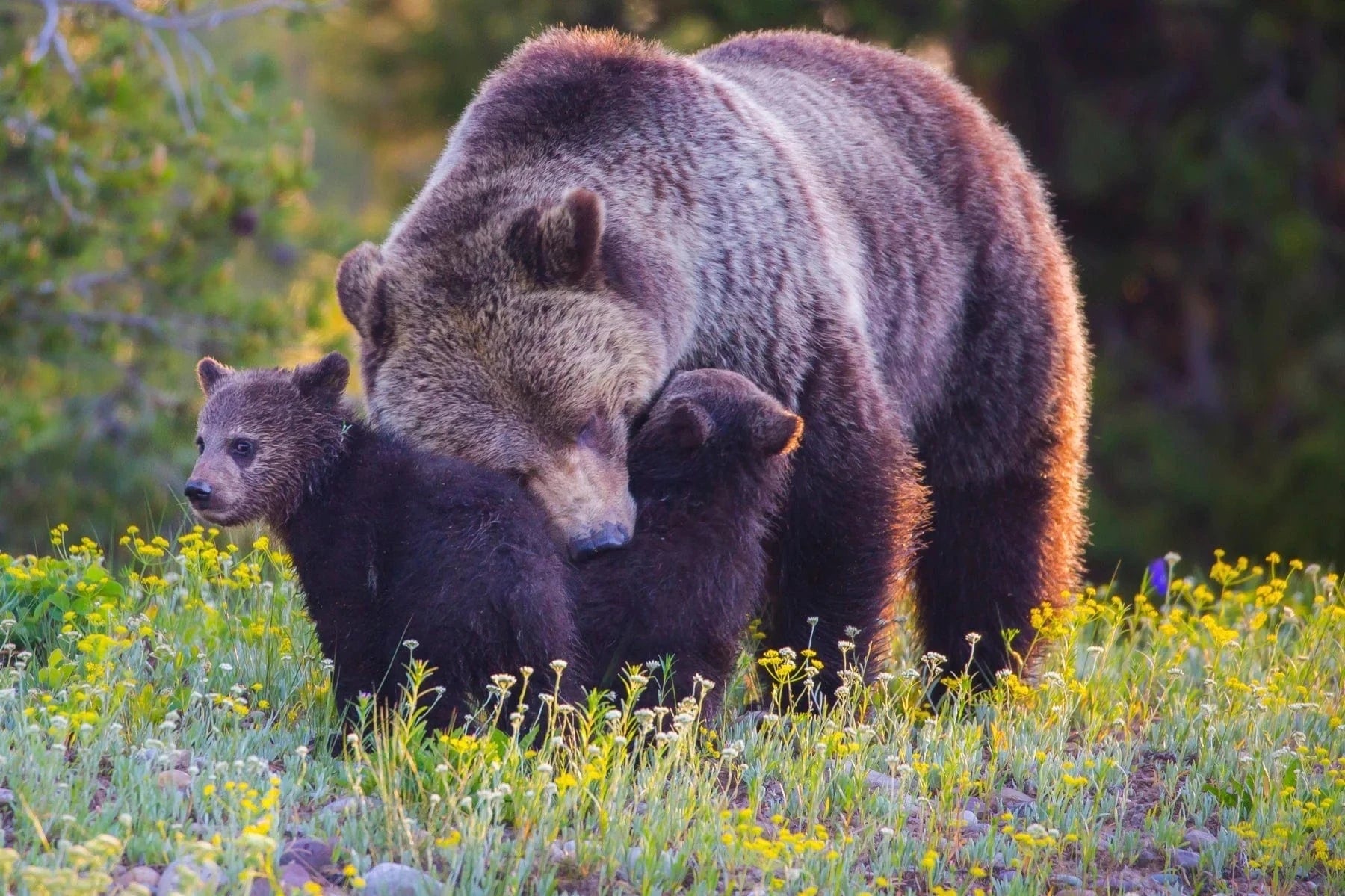
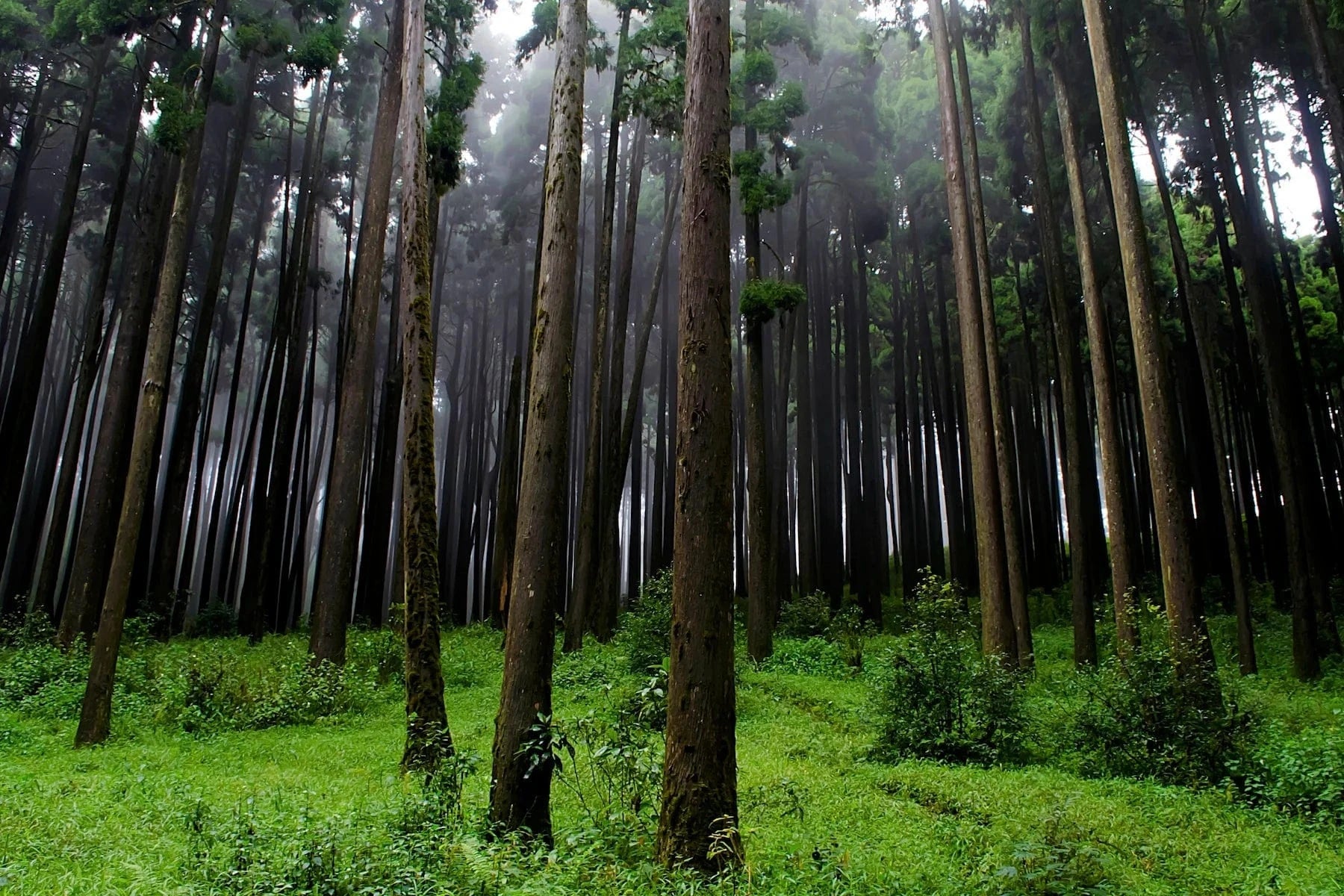
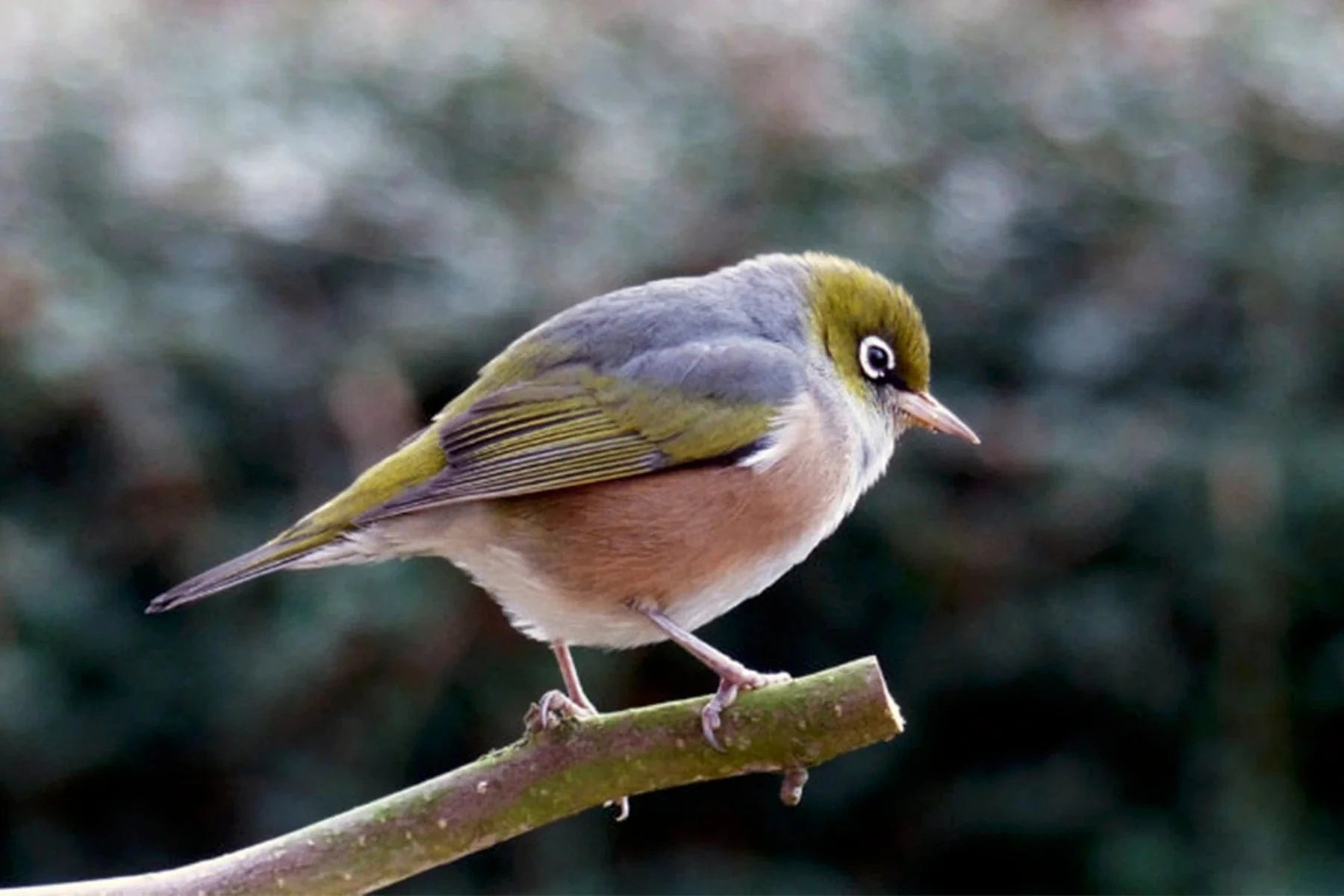
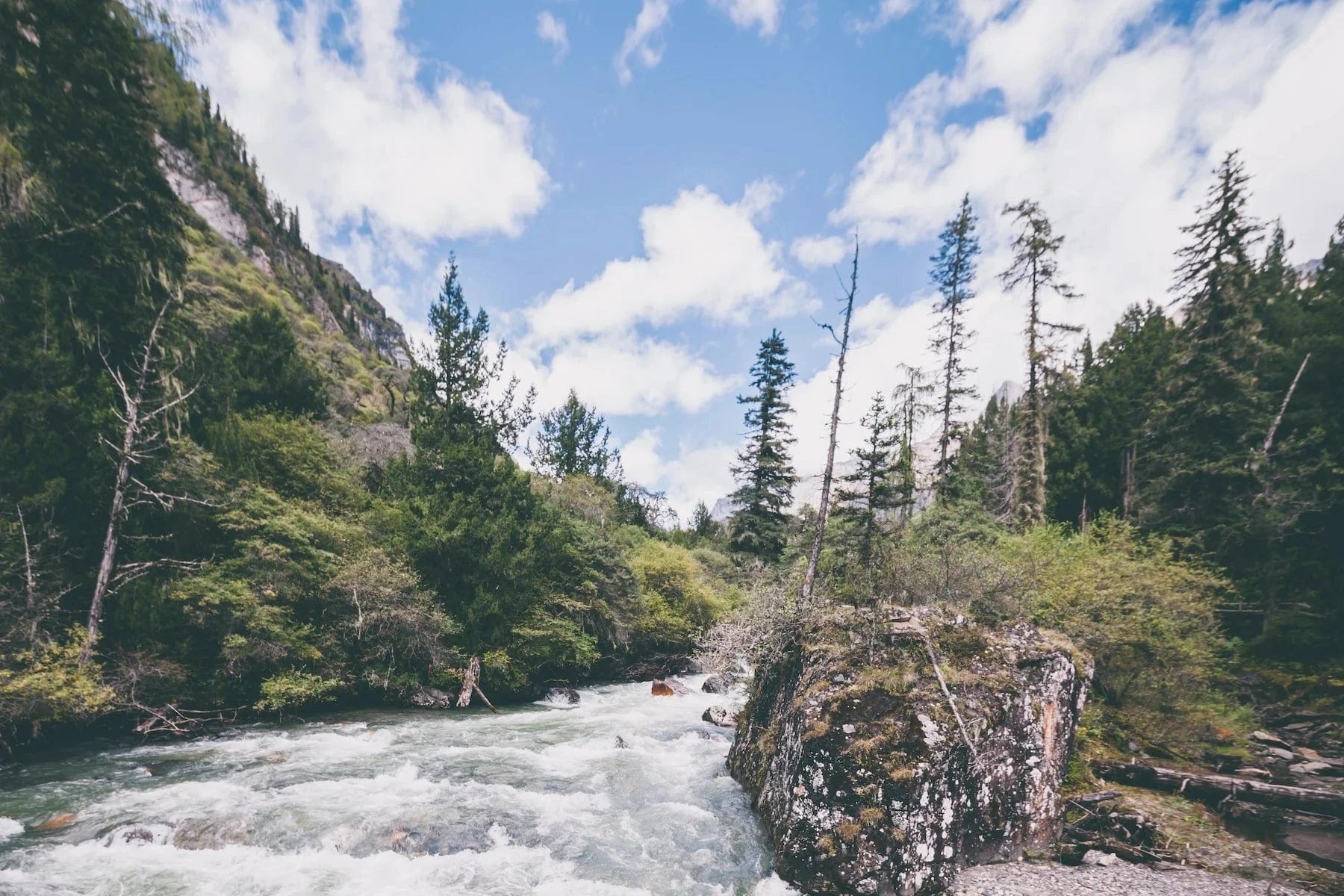
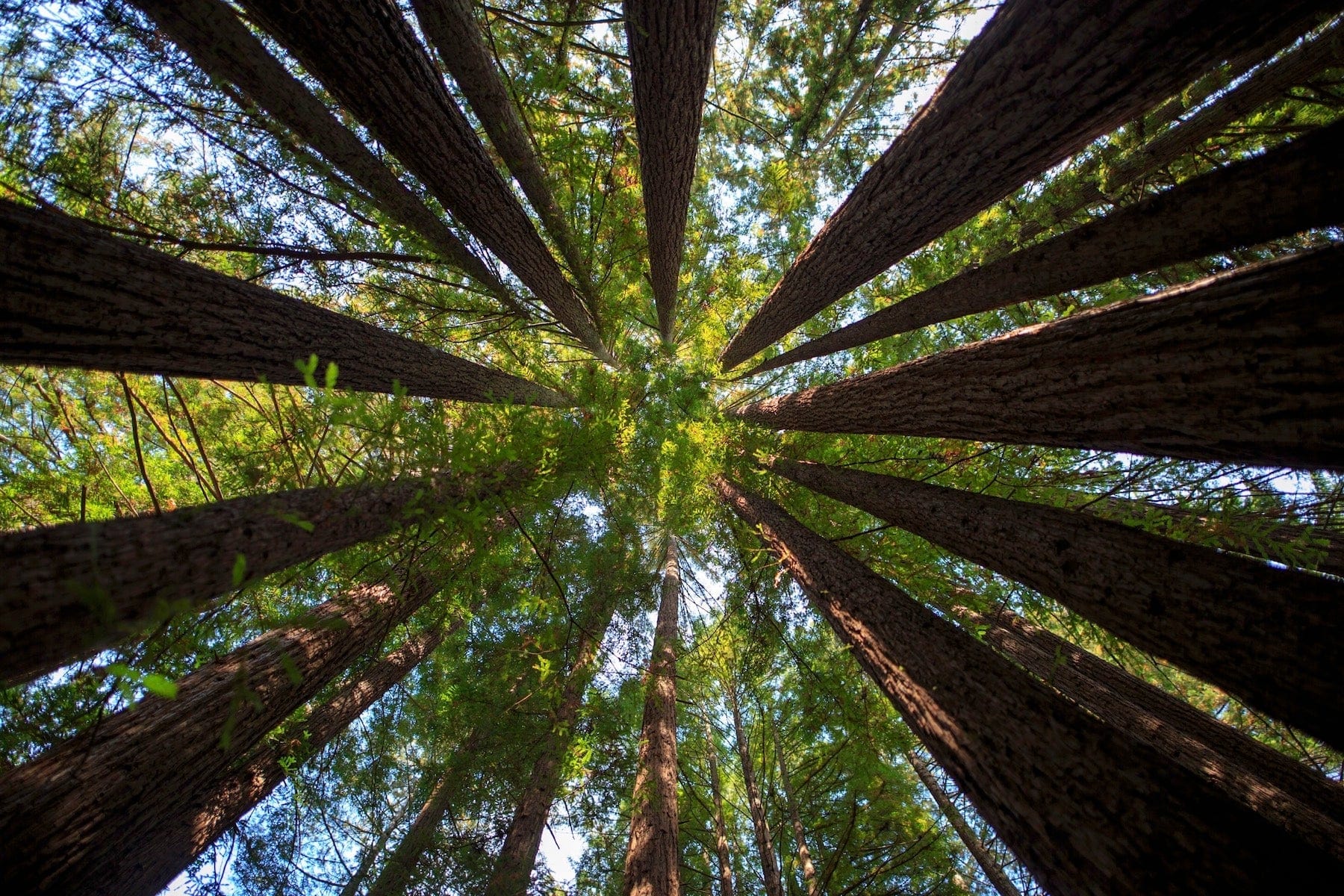
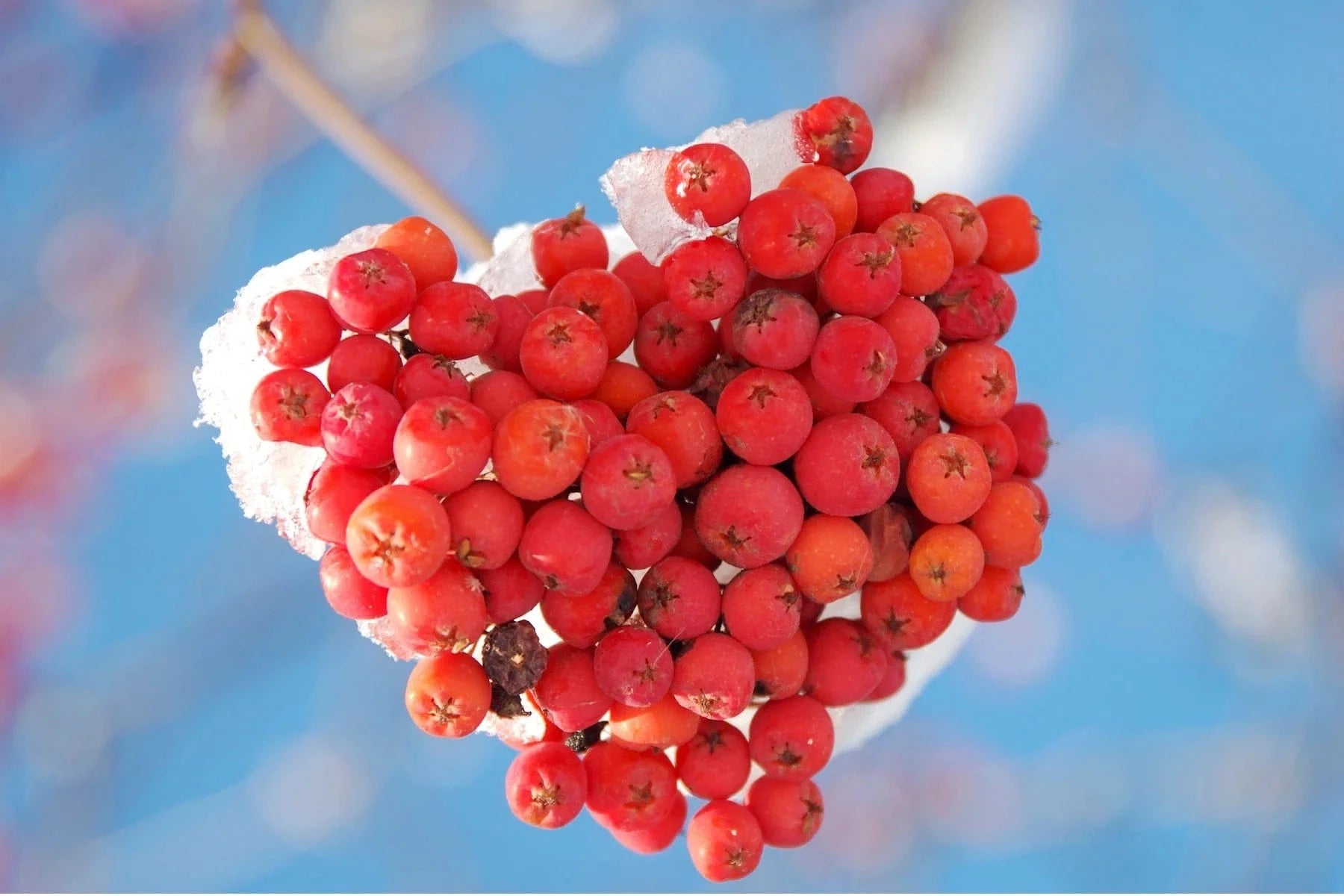
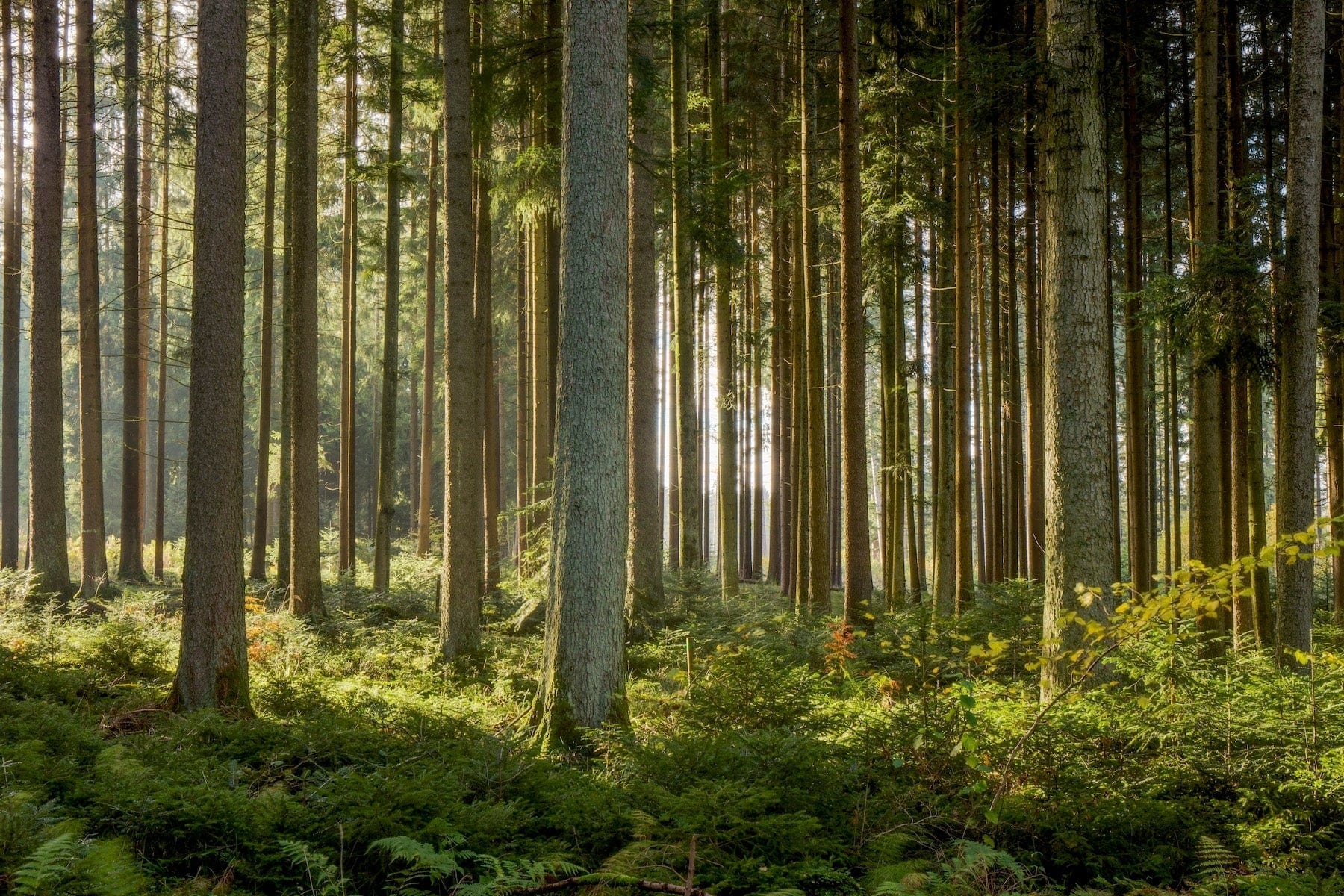
OK, so what exactly is a forest? According to Britannica, "a forest is a complex ecological system in which trees are the dominant life-form." There's more to forests than trees, though! Forests can be home to everything from small worms in the soil to lumbering bears who feast on wild berries to birds that fill the air with their bright songs. The more animals the better: it is a good sign when a forest has healthy biodiversity (the variety of all living things and their interactions).

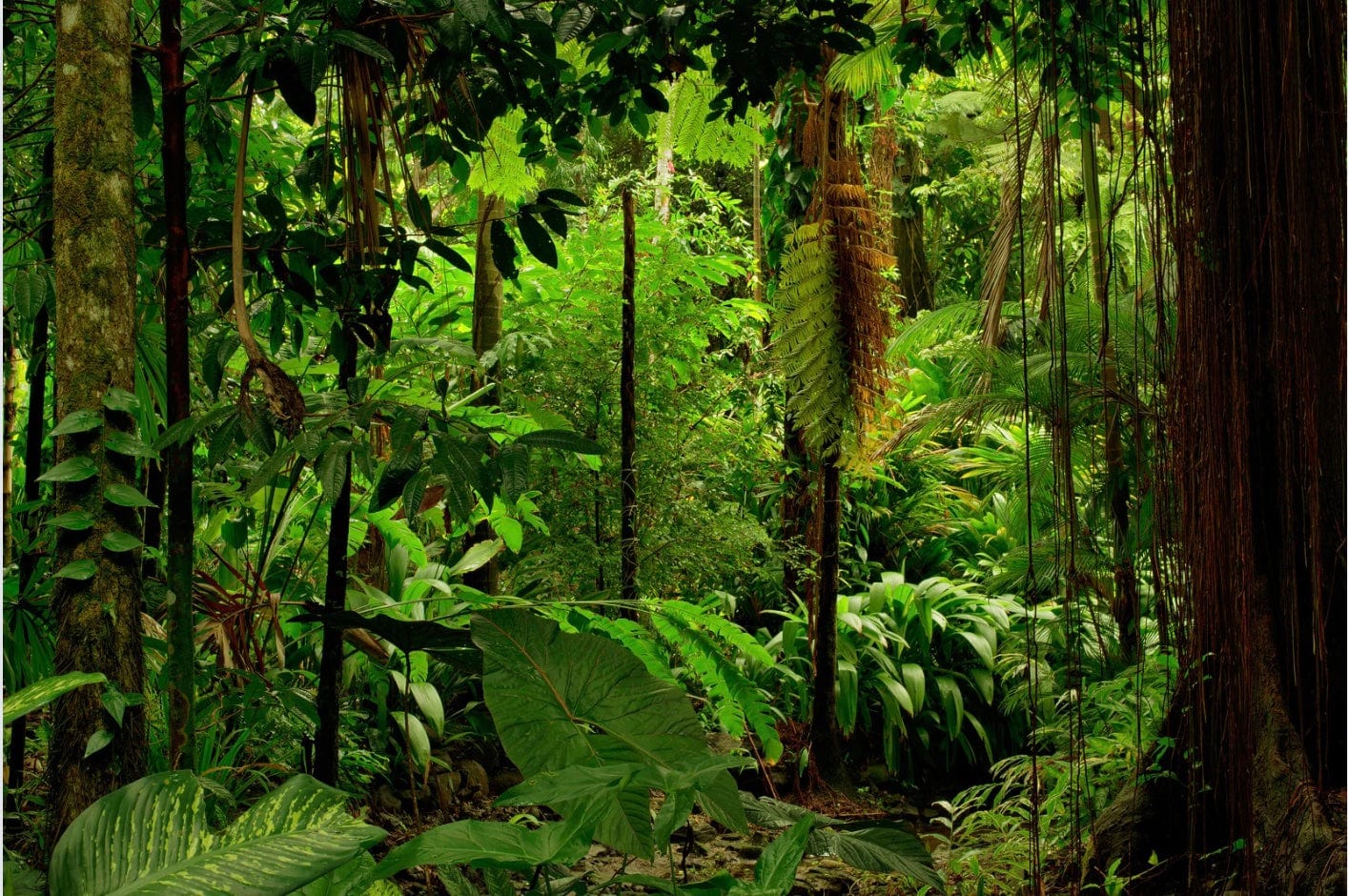
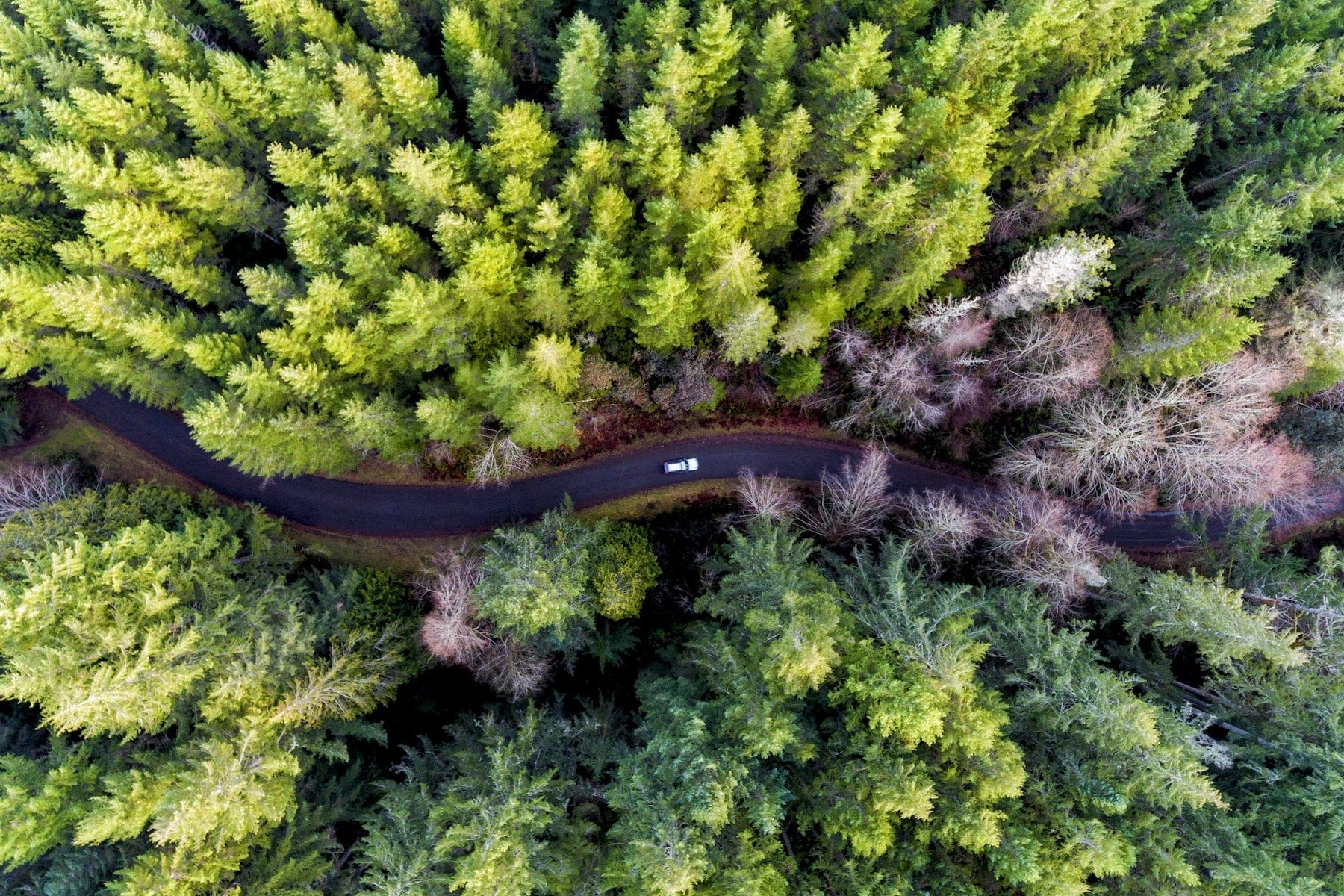
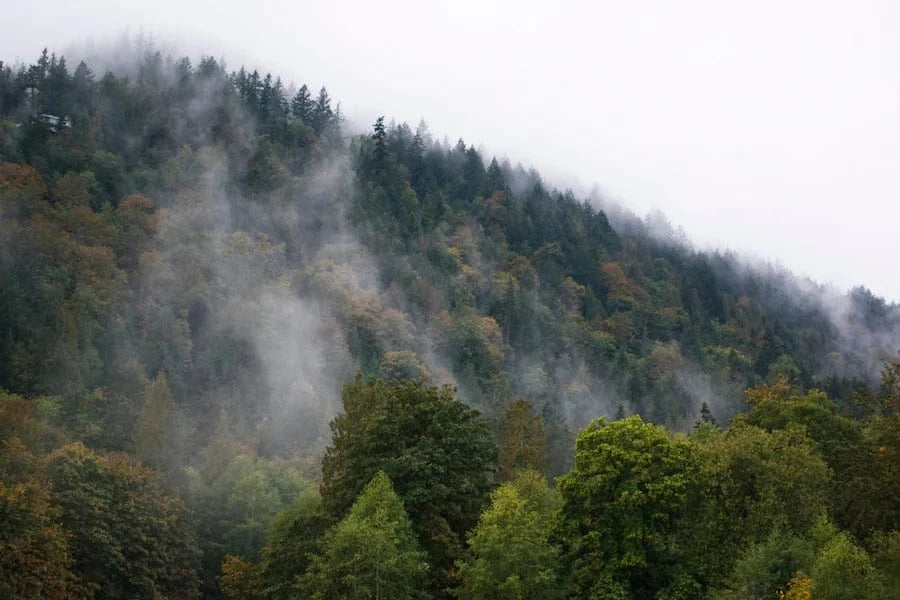
While all forests are dominated by trees, the Amazon Rainforest and the Russian Taiga look very different. As a rule of thumb, there are three general types of forests in the world: tropical forests, temperate forests and boreal forests. Temperate rainforests grow across eastern North America and the continent of Eurasia. Tropical forests occur near the equator, in places like Southeast Asia, sub-Saharan Africa, and Central America. Boreal forests form a massive "belt" around the world's northern hemisphere, covering much of Siberia, Scandinavia, and northern North America.

Everything that lives in a forest is part of its ecosystem, and the amount of biodiversity found in these ecosystems is truly astounding. In fact, according to the United Nations Environment Programme, more than 80% of the plants, animals and insects living on land can be found in the world's forests!

10,000 years ago, long before human civilizations began cutting down forests to build cities and create farmland, forests covered about 57% of the habitable land on Earth. Despite how important they are, trees continue to be chopped down at an alarming rate, causing many to worry about the state of the world's forests now and in the future.

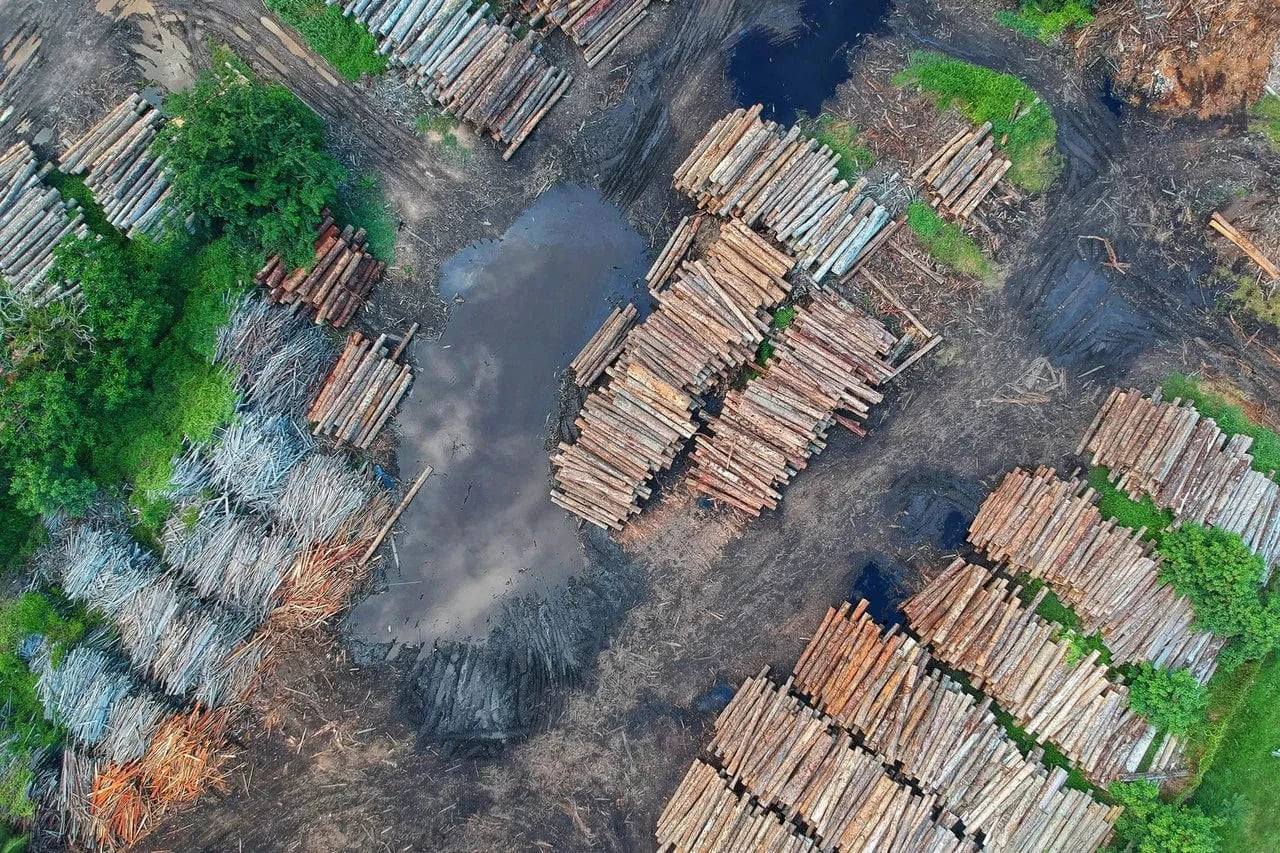
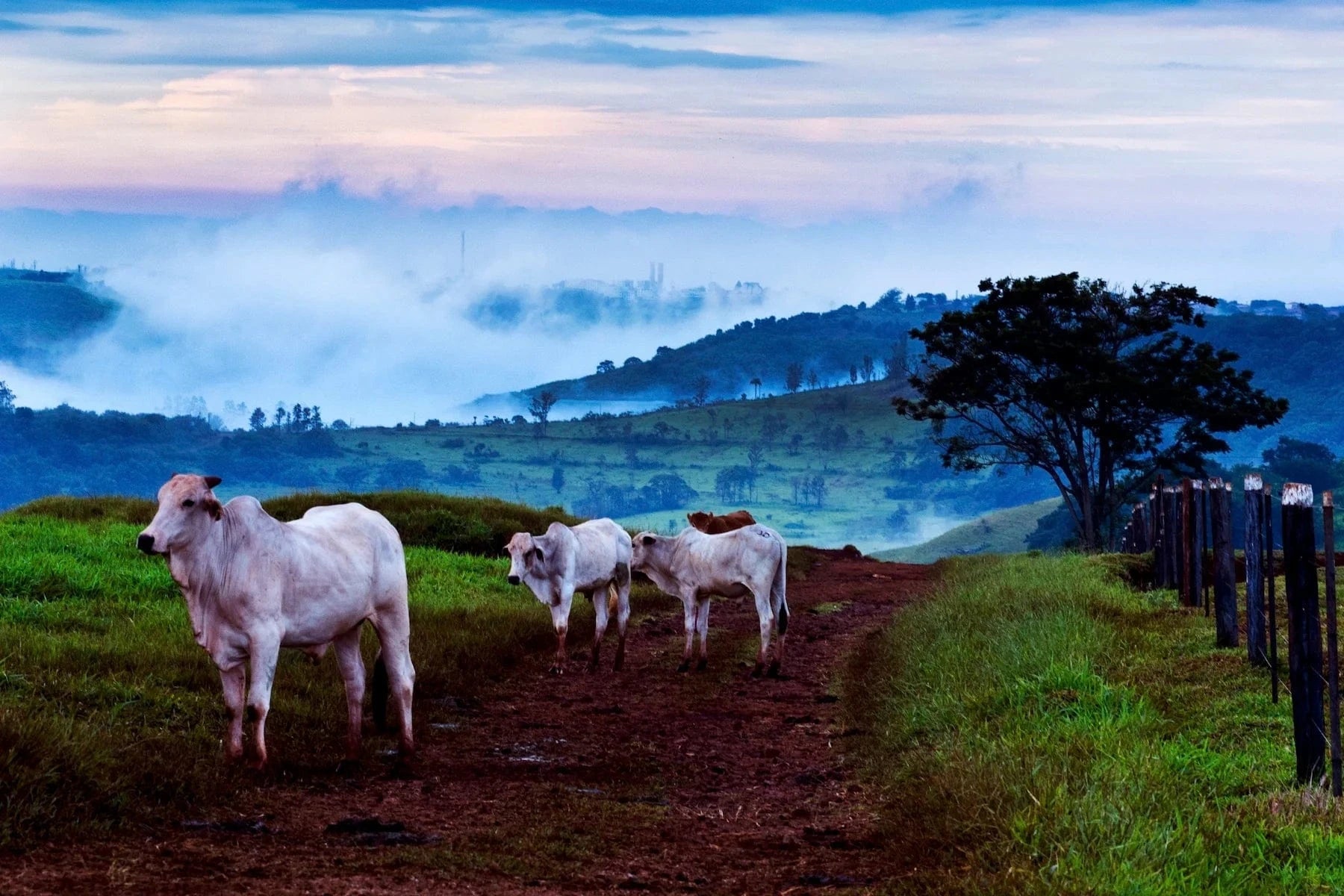
Forests get cleared for many reasons, but some of the biggest ones relate to feeding and housing the growing human population. Trees are cut so farmers can grow more food and raise livestock like cows, pigs, and sheep. They're also logged to provide lumber for building houses, and for making familiar items like the table you eat your dinner at and the paper and pencil you use at school. The good news is that there are ways to meet our needs and leave a lighter footprint on the Earth.

What do paper, cinnamon, lumber, maple syrup, rubber and medicine have in common? They all come from trees! That's because trees come in all shapes and sizes and many tree species provide important resources for humans. Even if you don't live near a forest, trees still touch your life. As put by the United Nations Department of Economic and Social Affairs, "Over 1.6 billion people depend on forests for timber, food, fuel, jobs, and shelter, but all of us depend on forests in one way or the other."

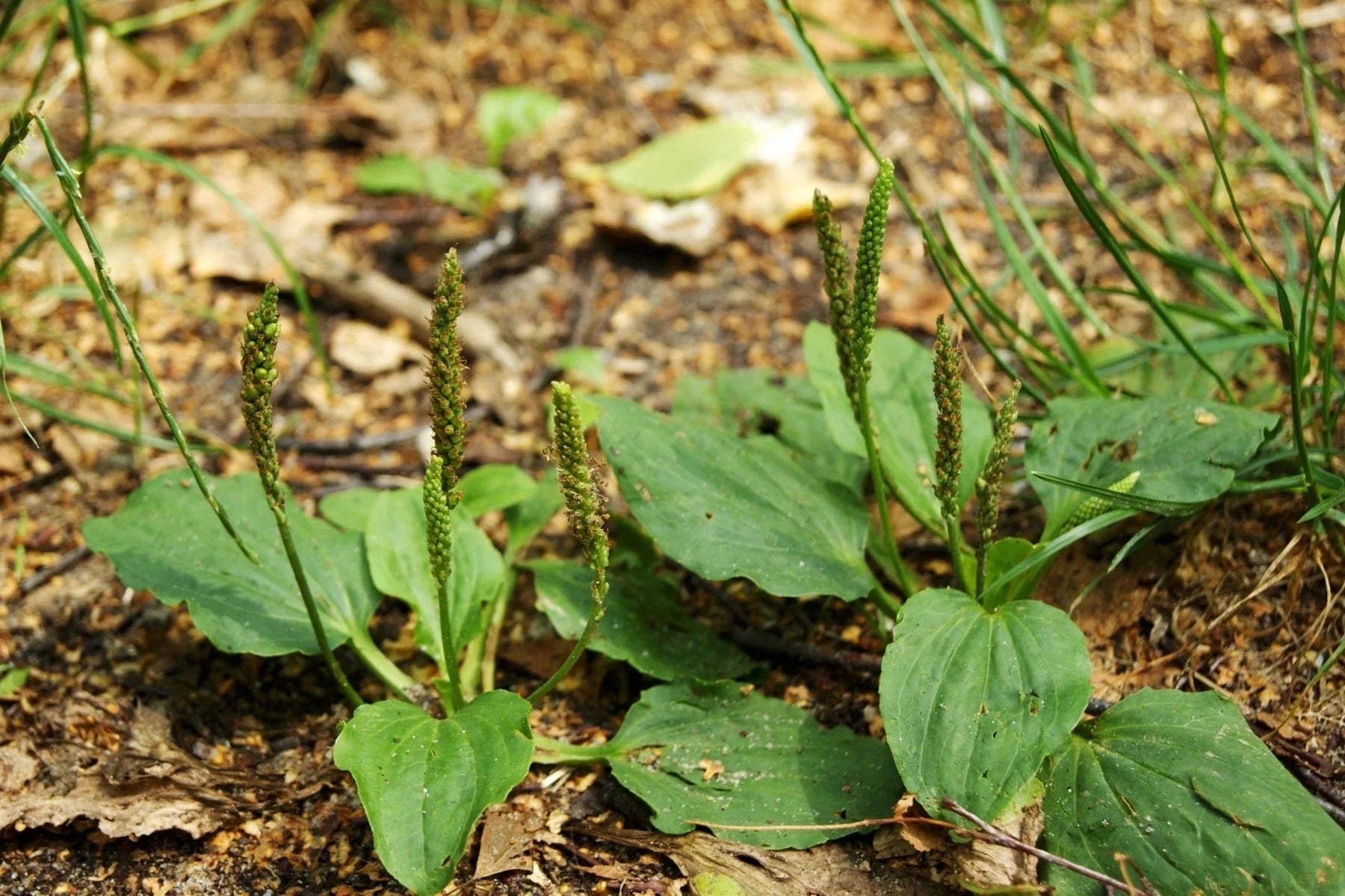
But that's just a fraction of the natural medicine that grows in the world's forests. As of 2019, 118 of the top 150 prescription drugs sold in the US were derived from natural products. From roots pushing deep underground to wood mushrooms growing out of tree trunks high above, forests are filled with medicine that can help with many of the things that ail humankind. Trained herbalists, indigenous healers, and communities who live in close connection to the forest know what plants can stop bleeding, ease a headache, draw out a bee sting, or disinfect wounds.

From clean water to clean air and proven health benefits, forests are crucial for the planet and for our well-being. That's because trees use their leaves to filter tiny air pollutants called particulates, absorb and then gradually release rainwater, produce powerful chemicals and positive ions that help us release stress and anxiety, and so much more.

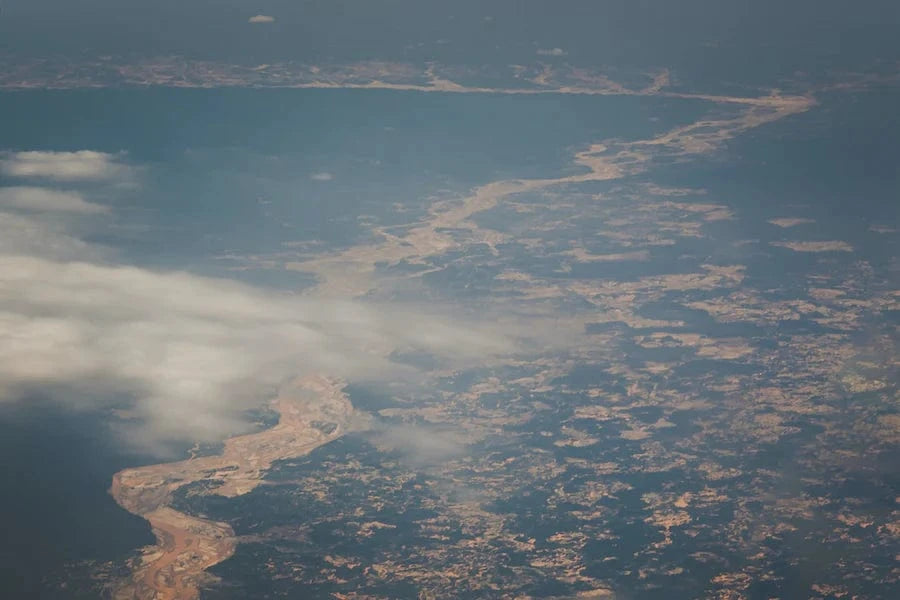
Deforestation, or the act of cutting down a forest to make room for other land uses, is a big challenge. So many forests are being cut down that it's making the planet sick and posing a danger to life on Earth. Fewer trees also means less rainfall and more drought — and many animals and plants face extinction as their forest homes are destroyed.

That’s right: some of the world’s most important, life-saving medicines come from compounds found in plants, marine organisms, and microorganisms. More discoveries are made every year, but it's clear: many important cancer treatments rely on access to healthy forests and other natural resources.

When it rains, trees absorb stormwater using their deep roots, and they also intercept it on the surfaces of their leaves, branches, and trunks. Later, they release 95% of the water they absorb back into the air through the combined process of evapotranspiration, cooling the environment around them.

Trees and plants reduce surface and air temperatures through the process of evapotranspiration (a plant’s loss of water, mainly through the stomata of leaves), and by providing shade. Shaded surfaces, for example, may be 20–45°F (11–25°C) cooler at the day's highest temperature than unshaded materials are. Evapotranspiration, alone or in combination with shading, can help reduce peak summer temperatures by 2–9°F (1–5°C).

It’s estimated that one hectare of Amazon rainforest contains around 900 tons of living plants.

Importantly, a majority of this carbon is contained in forest soils, where it is held in place by networks of symbiotic roots, fungi and microbes. Because of this, forests are typically considered carbon sinks (places that absorb more carbon than they release).

Through the process of photosynthesis, trees absorb carbon dioxide and water from the air and soil. Inside their plant cells, solar energy and chemical reactions convert the water into oxygen and the carbon into glucose. The glucose is stored by the tree, while the oxygen is released back into the air.

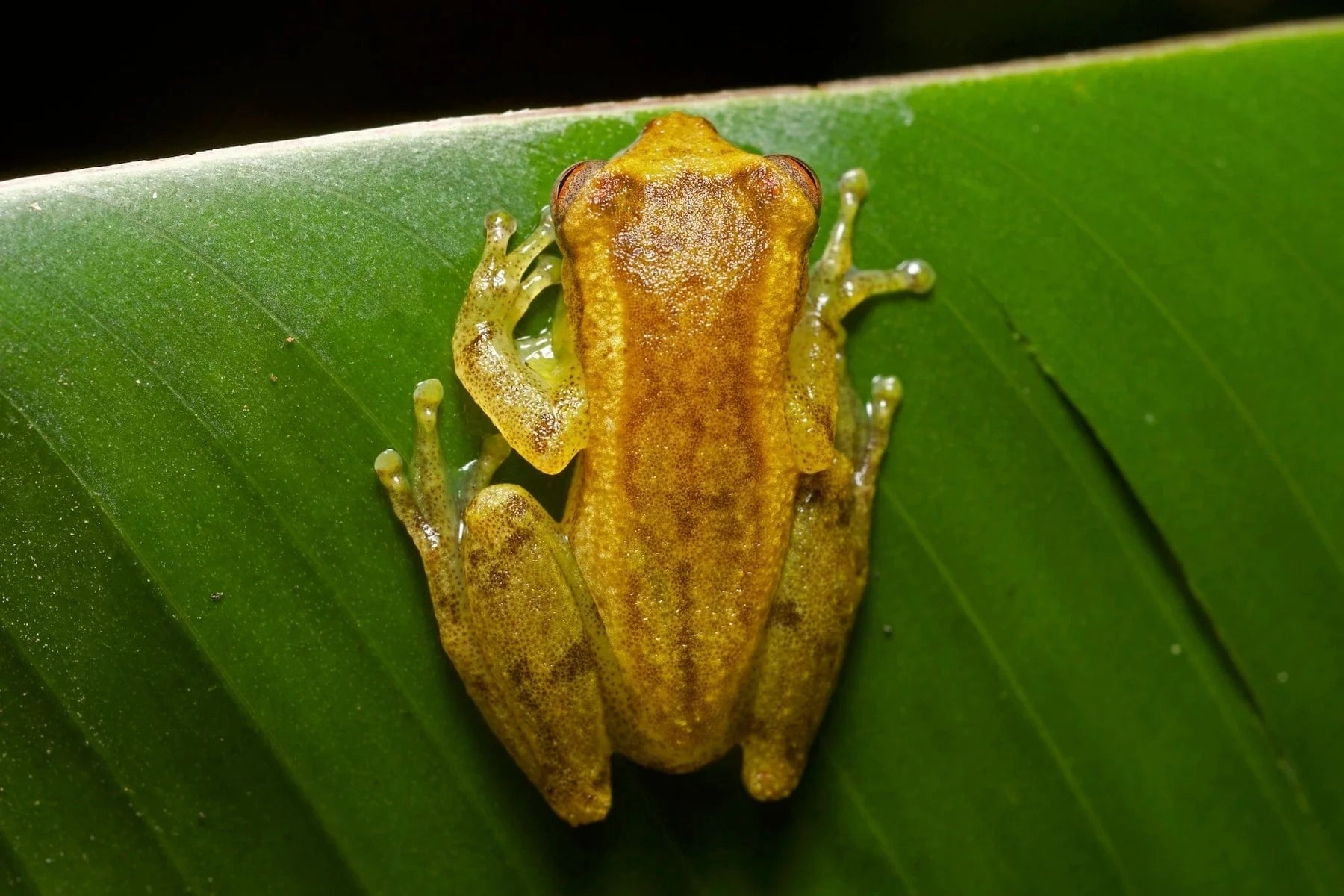
A keystone species is a plant, animal, or microorganism that helps hold an ecosystem together. Healthy forests provide richly layered habitat for wildlife, and shelter 80% of amphibian species, 75% of bird species, and 68% of mammal species. Wild animals need our help restoring their home.

There are around 60,000 individual species of trees according to the world’s largest plant conservation organization, U.K.-based Botanic Gardens Conservation International (BGCI). More than 11,000 of these are at risk of extinction, and 3,300 are critically endangered — meaning that without help, they could disappear forever.

That's around 5,000m2 (Or 50 x 100m) per person. But forests are not equally distributed around the world. More than 1/2 of the world’s forests are found in only 5 countries (the Russian Federation, Brazil, Canada, the United States of America and China) and 2/3 (66%) of forests are found in 10 countries.

Primary forests are forests that show no visible sign of human activities, and whose natural ecological processes have not been significantly disturbed. According to Global Forest Watch, they are "some of the densest, wildest and most ecologically significant forests on Earth."

Large-scale commercial agriculture (primarily cattle ranching and growing soybeans and palm oil) accounted for 40% of tropical deforestation between 2000 and 2010.

This is down from the deforestation rate of 16 million hectares per year in the 1990s. And while this is good news, we’re still losing forests faster than we can restore them.

According to the US Department of Agriculture, Forest Service, "ecosystem services, otherwise known as nature's benefits, are the multitude of benefits that come from healthy natural systems." These include tangible benefits like food, fiber, fresh water, and climate regulation. They also cover the basic processes that underlie these benefits, including oxygen production, soil formation, habitat creation, and nutrient cycling.

The three families with the most trees are Fabaceae, Rubiaceae and Myrtaceae.

Endemic tree species (only existing in a specific, restricted geographic location) are particularly threatened by deforestation, because they are less able to adapt.

With enough oxygen to support humans and the other oxygen-dependent life forms we share the planet with.

That’s because indigenous peoples hold to their traditional ways of life and draw on ancestral knowledge to tread softly in the natural world.

In a recent study, it was found that people are paying an estimated 8 billion visits a year to these areas — greater than the total global population.

This is partially due to historically heavy settlement in Europe, and destructive practices like logging and intensive agriculture. Europe also has less total land area.

According to the National Oceanic and Atmospheric Administration, about half of Earth’s oxygen comes from the ocean — mostly from oceanic plankton, which includes drifting plants, algae, and bacteria that can photosynthesize. One species of bacteria, the smallest photosynthetic organism on Earth, produces up to 20% of the oxygen in our entire biosphere. To put that in perspective, that’s more than all of the tropical rainforests on land combined.
You don’t have to be a scientist or a forest expert to make a difference. One of the best ways to help restore forests is to support tree-planting and reforestation efforts in your community or through organizations that are working to bring forests back.
You can also help by learning about forests, sharing what you know with friends and family, and making everyday choices that protect trees and wildlife. Using less paper, recycling when possible, and being careful not to waste resources all help reduce the pressure on Earth's forests.
If you want to take action, look for local volunteer opportunities, school programs, or restoration projects that focus on planting trees and restoring habitats. Even small actions add up, and when kids learn to care about forests now, they can help protect them for the future.
22/04/2026 by Meaghan Weeden
07/04/2026 by Meaghan Weeden
22/04/2026 by Meaghan Weeden
23/12/2025 by Meaghan Weeden
16/12/2025 by Meaghan Weeden
The Grove is more than just a monthly giving program: it's a vibrant community of individuals who are dedicated to reforestation and environmental restoration on a global scale.