Get news, updates, & event Info delivered right to your inbox:
Key Takeaways: Learn About How Trees Grow
Trees grow through a multi-stage life cycle that includes dispersal, germination, development, maturity, and decomposition.
Most of a tree’s mass comes from carbon dioxide in the air, not from the soil.
Growth rates vary widely: some trees mature in just a few decades, while others take 50–100+ years.
Seeds are dispersed in several ways, including wind, animals, water, and fire-triggered release.
Trees grow from specialized tissues called meristems, while the cambium layer is responsible for increasing trunk thickness.
Environmental conditions like climate, soil, and disturbances strongly influence how trees grow.
Even after death, trees continue to support ecosystems by providing habitat and returning nutrients to the soil.
How do trees grow from tiny seeds into towering forests? The answer might surprise you: most of a tree's mass doesn't come from the soil, but from carbon dioxide in the air. Through a complex life cycle shaped by climate, biology, and time, trees transform sunlight, water, and air into the wood, roots, and leaves we can see with our naked eye.
From fast growing species that can reach maturity in just a few decades to long-lived giants that can take 50–100+ years, trees follow a series of growth phases that determine how forests form, function, and recover.
What is the Tree Life Cycle?
While each tree species is unique, trees generally grow through the following stages:
Seed dispersal
Germination and early growth
Root and shoot development
Maturation
Death and decomposition
Each phase is influenced by unique environmental conditions like temperature, water availability, soil quality, and disturbance (such as wildfire or drought).
What are the Growth Phases of a Tree?
Phase 1: Seed Dispersal
Every tree begins as a seed, but how those seeds are spread depends on a few factors. Each tree species has evolved a seed dispersal strategy, based on environmental conditions, to increase their chances of survival:
Wind: Lightweight or winged seeds (like maple “helicopters”) can travel long distances
Animals: Seeds are carried, buried, or dropped by animals such as squirrels and birds
Digestion: Some seeds pass through animal (like orangutans) digestive systems and are deposited in nutrient-rich waste
Water: Trees near rivers or coasts (like mangrove) may rely on water to carry seeds downstream
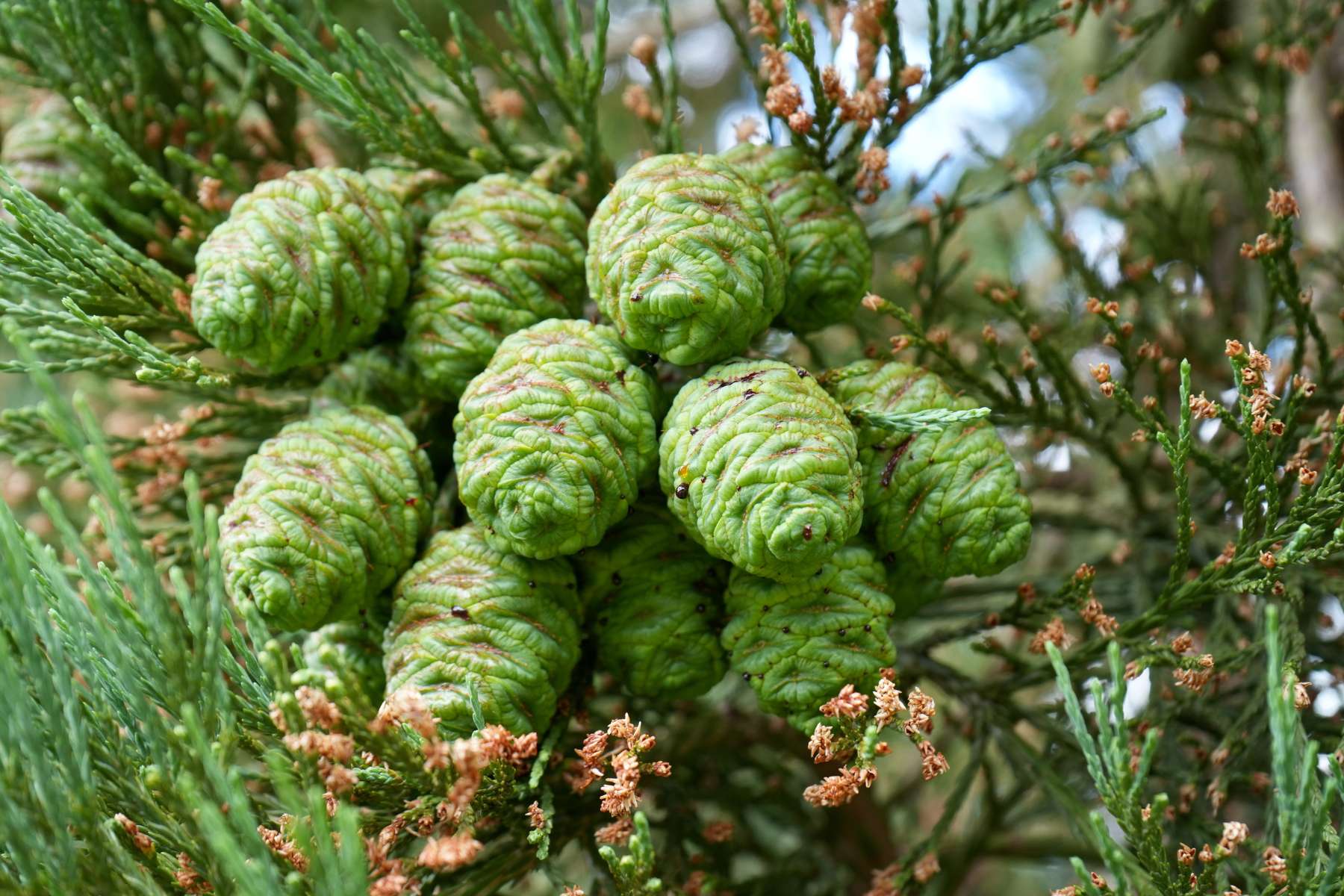
Fire: Certain species (such as redwoods) have serotinous cones that only release seeds after exposure to low heat
These strategies help ensure the reproductive success of trees in the face of unique ecological conditions.
Phase 2: Germination and Early Growth
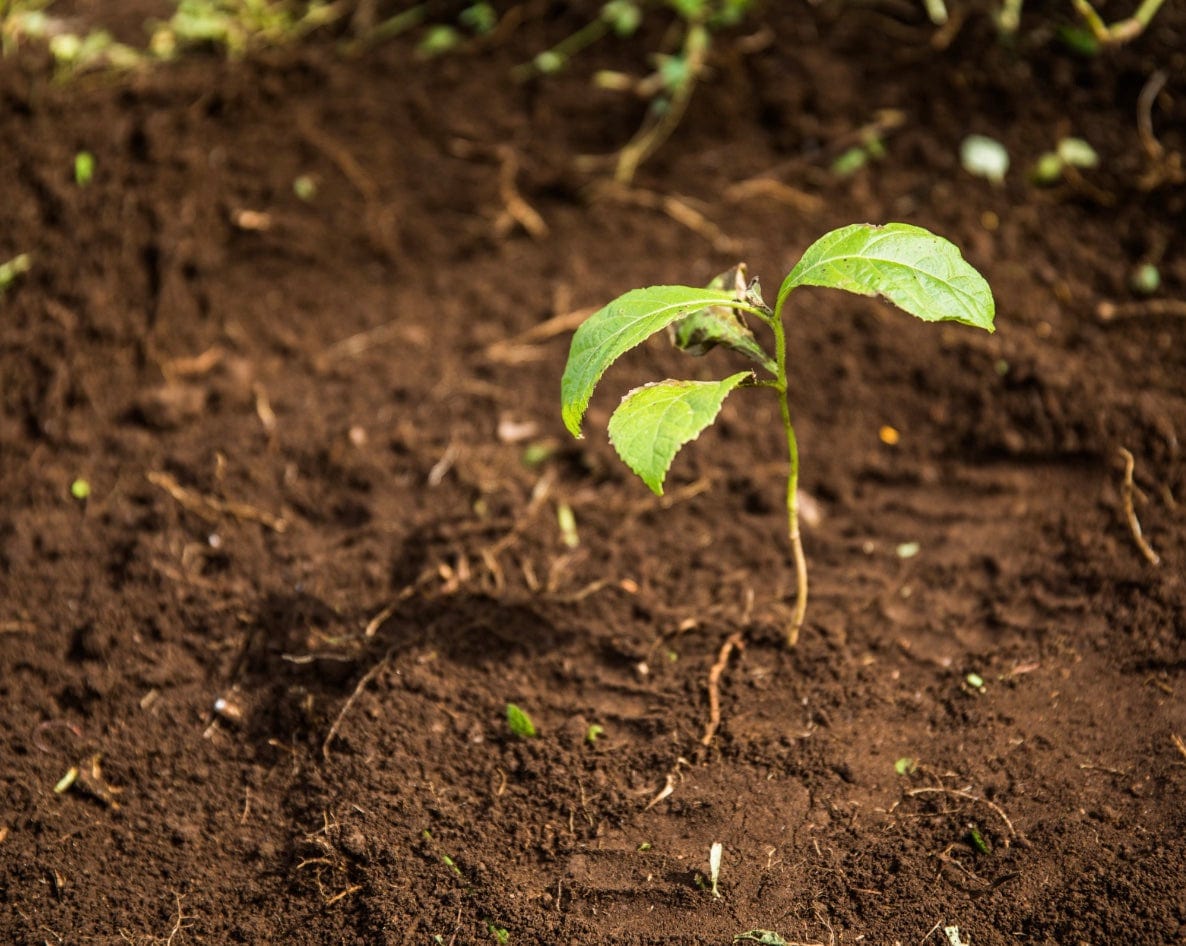
Once a seed has landed and been activated by environmental conditions like soil, moisture, and temperature, it begins to germinate.
The seed absorbs water, swells, and splits open. The first thing to emerge is the taproot, which anchors the plant and begins absorbing water and nutrients. At the same time, a shoot pushes through the soil, toward sunlight.
As the seedling develops:
Leaves emerge and begin photosynthesis, converting sunlight and carbon dioxide into energy
The seed’s stored nutrients are gradually used up
The young plant becomes self-sustaining
Below ground, the taproot thickens and deepens, sending out tiny filaments that grab onto soil particles.
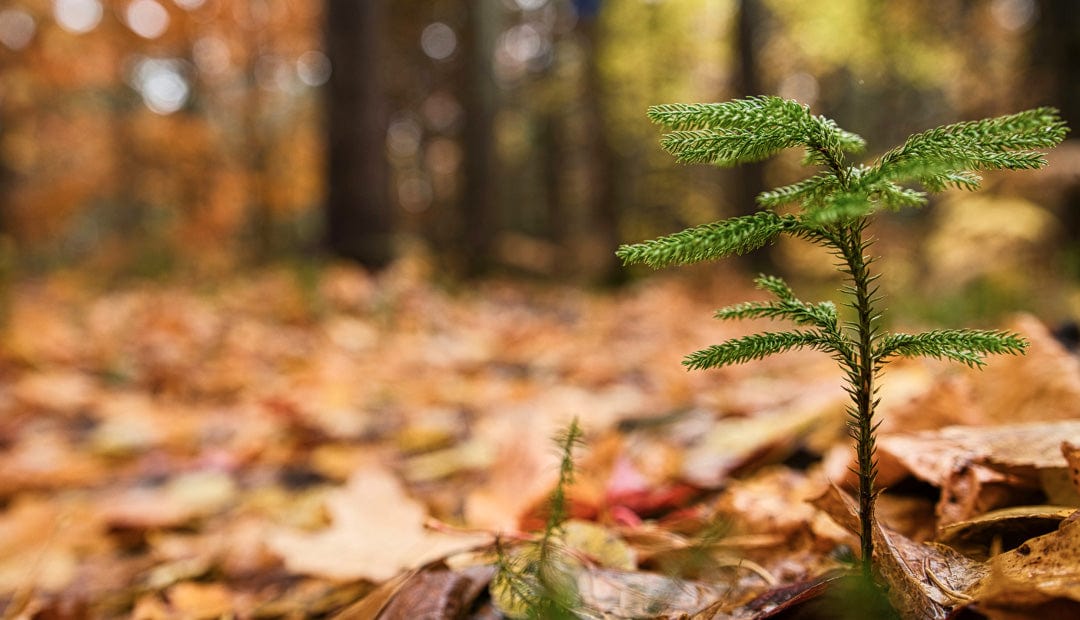
Through this process, the tender seedling will grow into a hardy sapling with a woody stem and tree-like leaves or needles.
Phase 3: Root Systems and Structural Growth
As the tree grows into a sapling, its root system becomes more complex:
A deep taproot anchors the tree and accesses groundwater
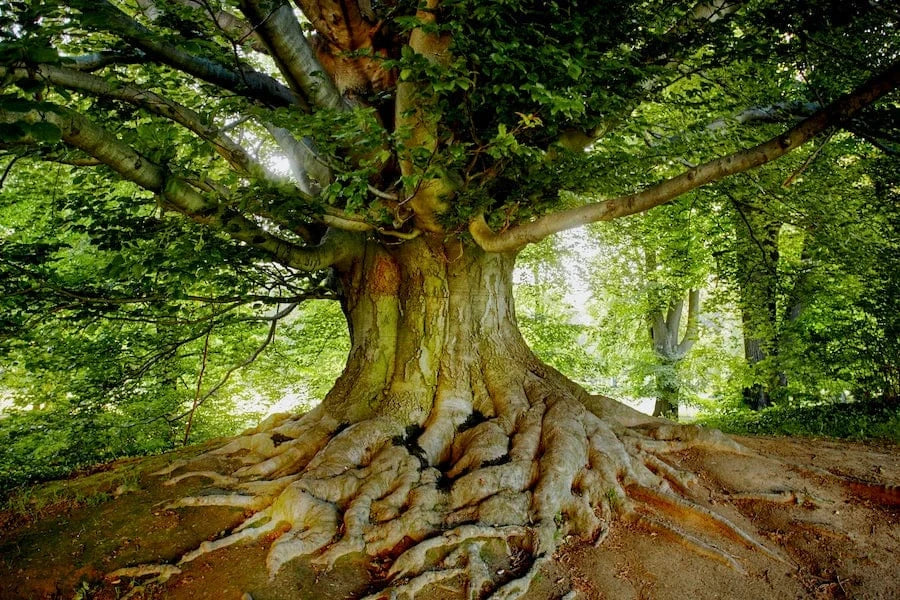
Thick lateral roots spread outward, stabilizing topsoil and preventing erosion
In some environments, such as when the soil is shallow, trees develop above-ground buttress roots for added support
Above ground, the trunk thickens and branches extend. This growth is driven by specialized tissue called the cambium, which produces new wood and bark cells each year. In many species, this creates visible growth rings.
Phase 4: Growth and Maturation
Tree growth does not happen evenly throughout the year. In many climates, trees grow in bursts:
Rapid growth occurs during favorable conditions (spring and early summer in temperate regions)
Growth slows or pauses during colder or drier periods. When it’s time to go dormant, leaves are folded in and waterproof buds formed to protect active growth areas.
Trees grow in two main ways:
Lengthening of shoots and roots
Thickening of trunk and branches
Unlike animals, trees only produce new cells in specific regions called meristems, located at the tips of roots and shoots, and within the cambium layer.
Over time, trees reach maturity, producing seeds of their own and contributing to the broader ecosystem.
Death and Decomposition
Left alone, most trees can grow for decades or even centuries, their gnarled bark slowly thickening as branches twine ever upward.
Not all trees are able to live out a full life-span, dying due to:
Natural disturbances (such as wildfires, floods, and storms)
Diseases and insect infestations that interfere with their ability to make and circulate food, water, and nutrients
Competition for light, water, and nutrients
Human activities like deforestation
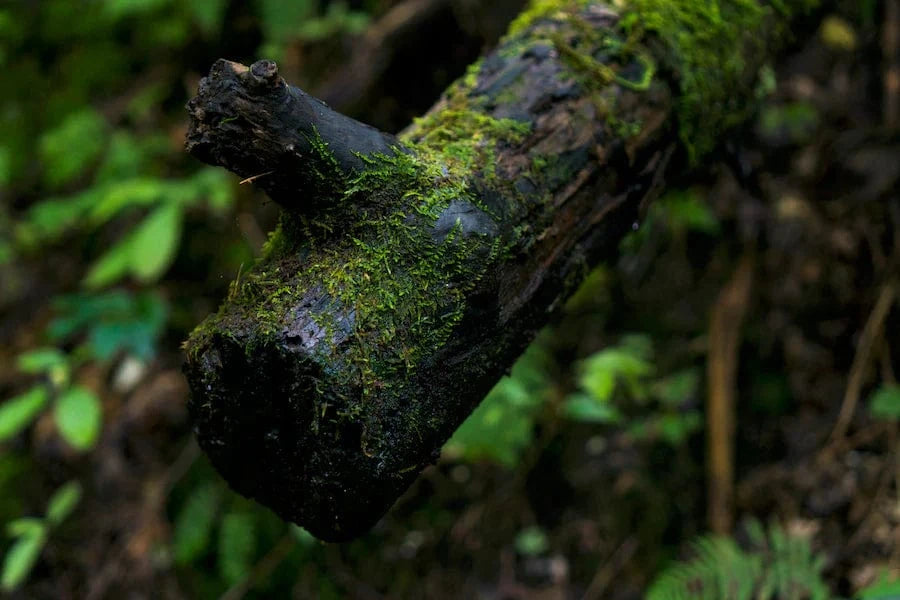
Yet even in death, trees play a critical ecological role. Standing dead trees (snags) provide habitat for birds, insects, and mammals. As wood decomposes, it returns nutrients to the soil, supporting new plant life.
Healthy forests depend on this cycle of growth, death, and regeneration. But if too many trees are lost, entire ecosystems can collapse.
Why Tree Growth Matters
Trees are foundational to entire ecosystems. As they grow, they:
Store carbon from the atmosphere, helping mitigate climate change
Reduce erosion by stabilizing the soil
Improve air quality and water quality
Provide specialized habitat and food for wildlife
Regulate temperatures by through shade and evapotranspiration
Understanding how trees grow is essential to restoring them successfully after disturbance.
Watch: How Trees Grow
If you want a quick visual overview of trees grow, watch our short video below.
Take Action for Forests
Tree growth is a process that spans decades or even centuries, but reforestation can start today. Planting trees helps restore forests, repair ecosystems, and support communities around the world.
The Grove is more than just a monthly giving program: it's a vibrant community of individuals who are dedicated to reforestation and environmental restoration on a global scale.