10 Ways to Celebrate Plant a Tree Day

by Jill Ettinger ● September 23, 2025 ● 5 min read

10 Ways to Celebrate Plant a Tree Day
Give today
Give monthly
5 20 50 100
$ USD
lock icon Secure checkout powered by Shopify

Get news, updates, & event Info delivered right to your inbox:

Key takeaways

  • One Tree Planted’s Plant a Tree Day falls on Sept. 28 each year. It began in 2018 with 30 community reforestation events, where 600 volunteers planted more than 7,000 trees and shrubs.
  • Early fall is a strong time to plant a tree, as long as a new tree has at least six weeks of mild weather before freezing temperatures arrive.
  • Trees and forests in the lower 48 states removed 22.4 million metric tons of air pollution in 2010, with human health effects valued at $8.5 billion.
  • In a study of 19,806 people, those who spent at least 120 minutes a week in nature were significantly more likely to report good health and high well-being.

If you've been meaning to spend more time outside, the last stretch of September makes an easy case for it, with summer's heat easing off and evenings still long enough for a walk after dinner. It's also one of the best times of year to plant a tree.

One Tree Planted marks the season with Plant a Tree Day every Sept. 28, and this year the day lands on a Monday. If that dosn’t work for you, we won’t tell! Use the weekend before it for planting, volunteering, or taking a long walk in the woods.

What is Plant a Tree Day?

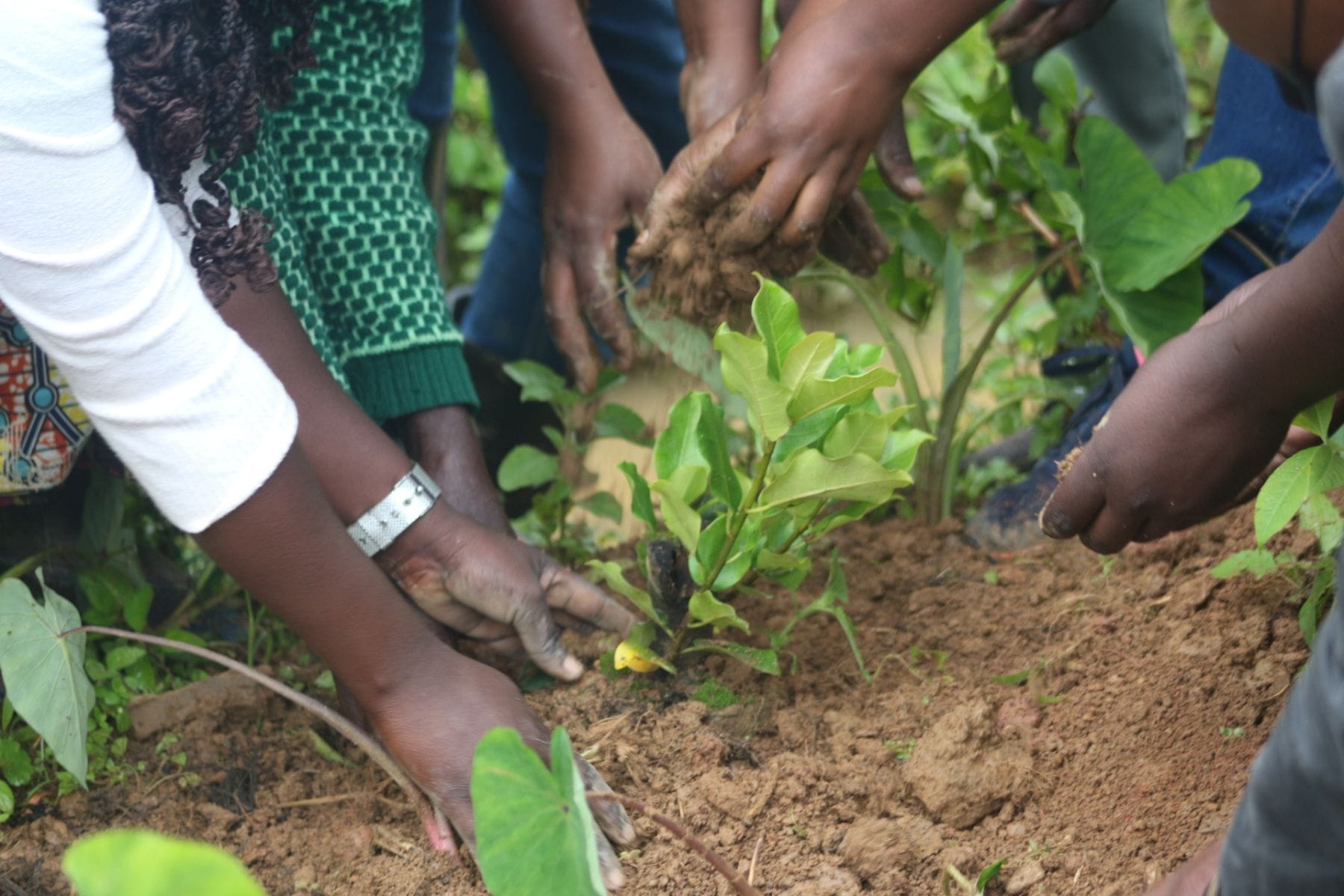
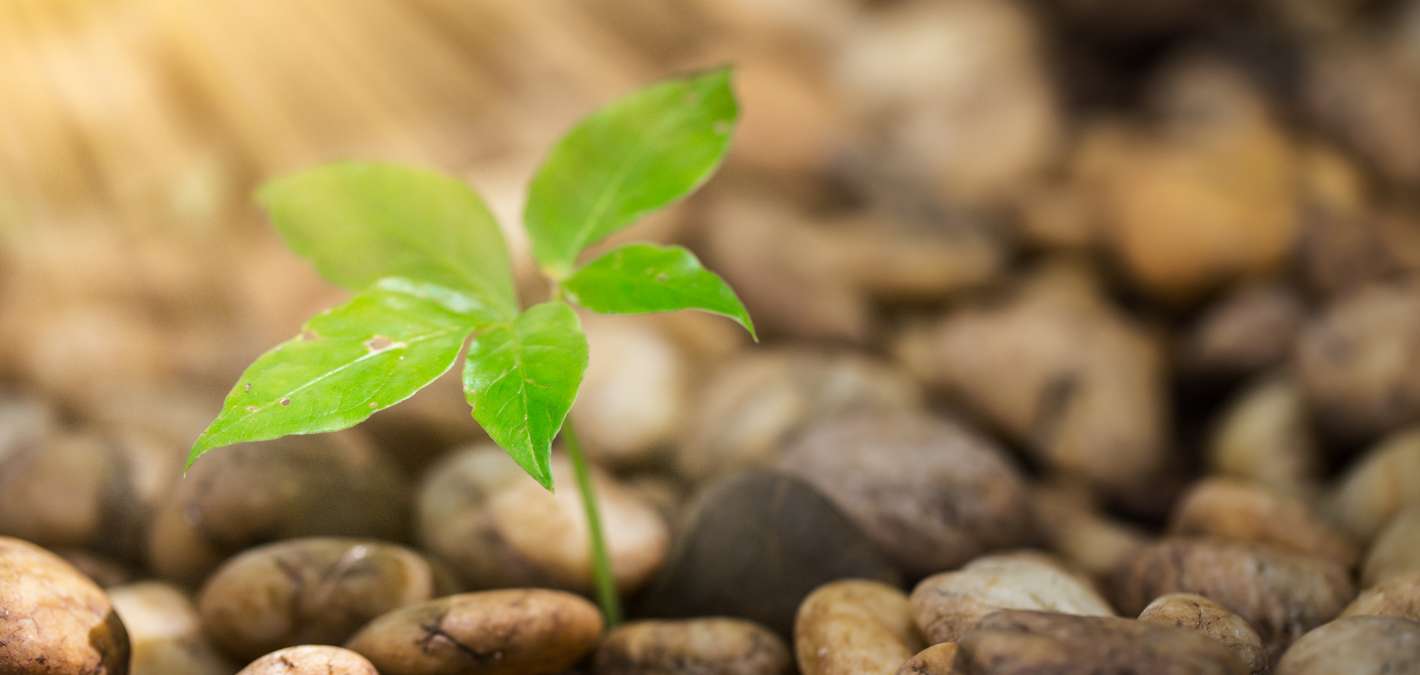
Plant a Tree Day is our annual day of action for forests. It started in 2018 with 30 community reforestation events, where 600 volunteers planted more than 7,000 trees and shrubs, and has since grown into a global movement that brings thousands of people together to make a positive environmental impact. Since 2014, we've helped plant more than 171 million trees worldwide, working with 489 planting partners in 84 countries.

How to to celebrate Plant a Tree Day

The Morton Arboretum puts the best fall planting window at mid-August through mid-October, and it cautions that pushing into late fall raises the odds that a new planting fails. And there are benefits for you, too. People who spent at least 120 minutes a week in nature were significantly more likely to report good health and high well-being than those who spent none, according to a 2019 study, and the positive associations peaked at 200 to 300 minutes a week. So whether you do it for the environment, for your community, or for yourself, Plant a Tree Day is the perfect excuse to spend some time in nature and get your hands in the dirt. Here are our top tips:

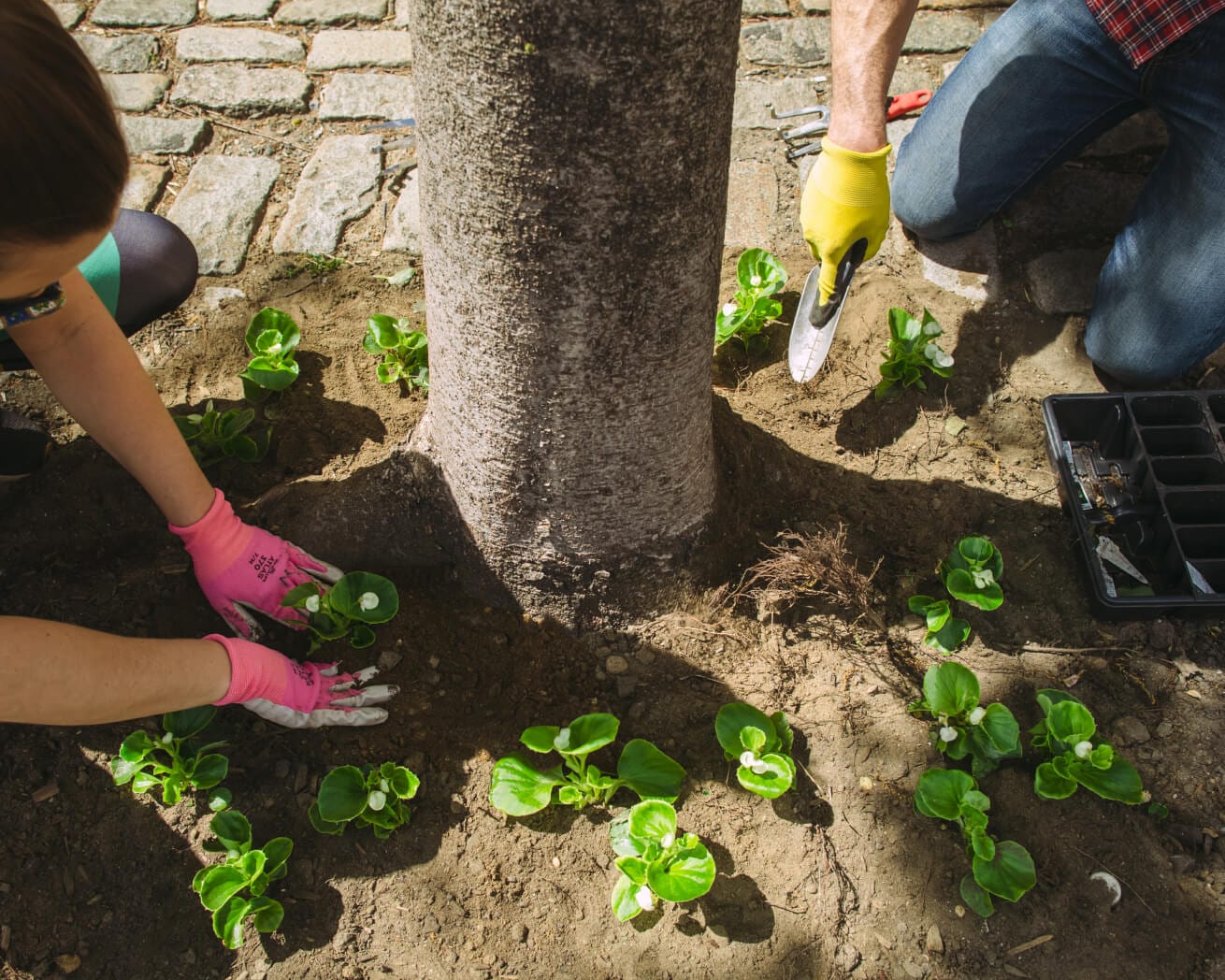
1. Put a (native) tree in your own yard

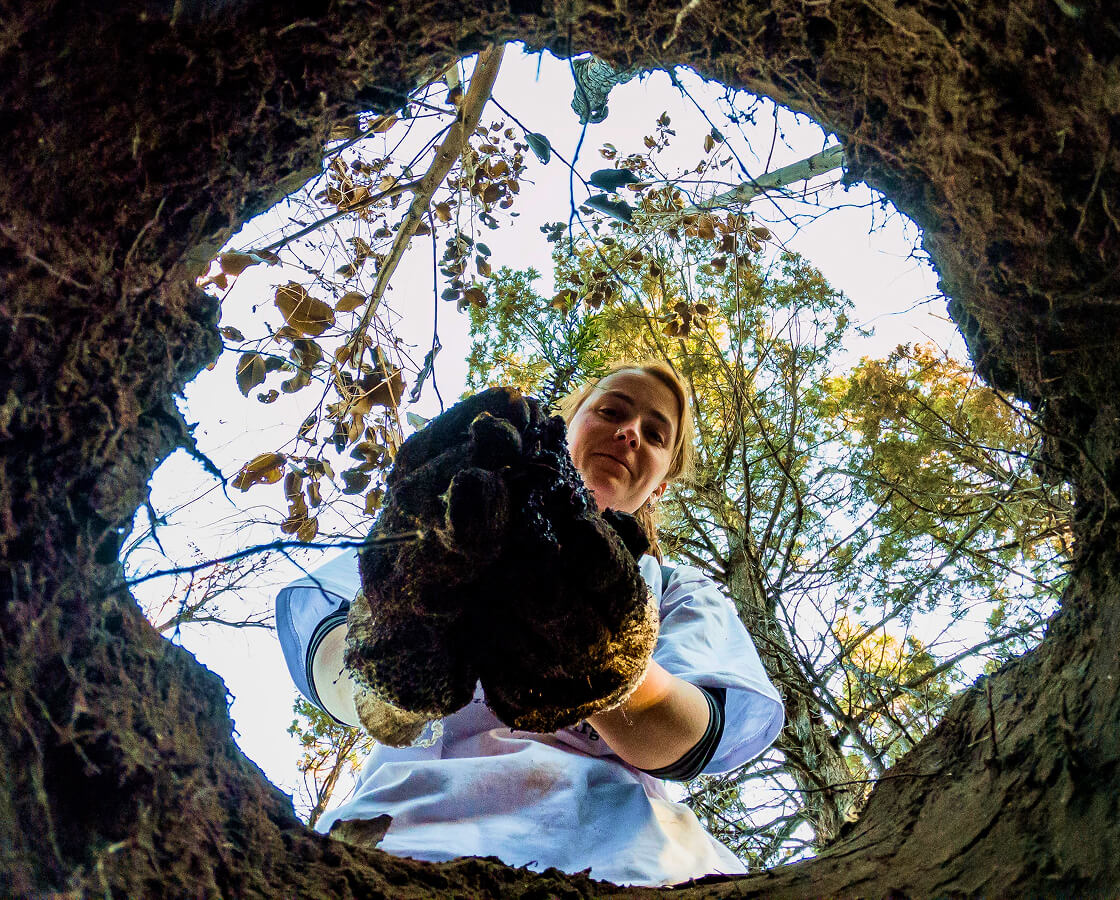
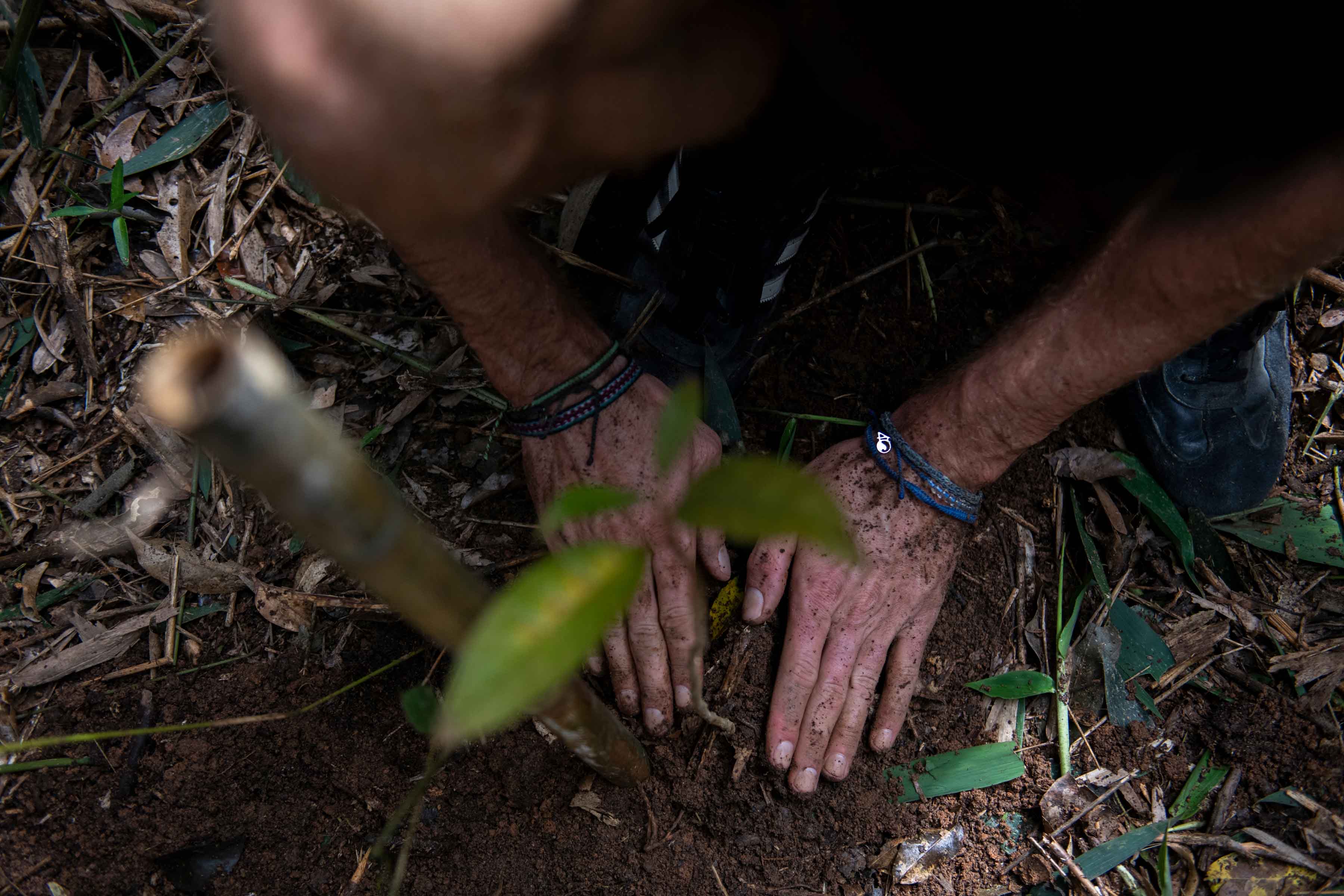
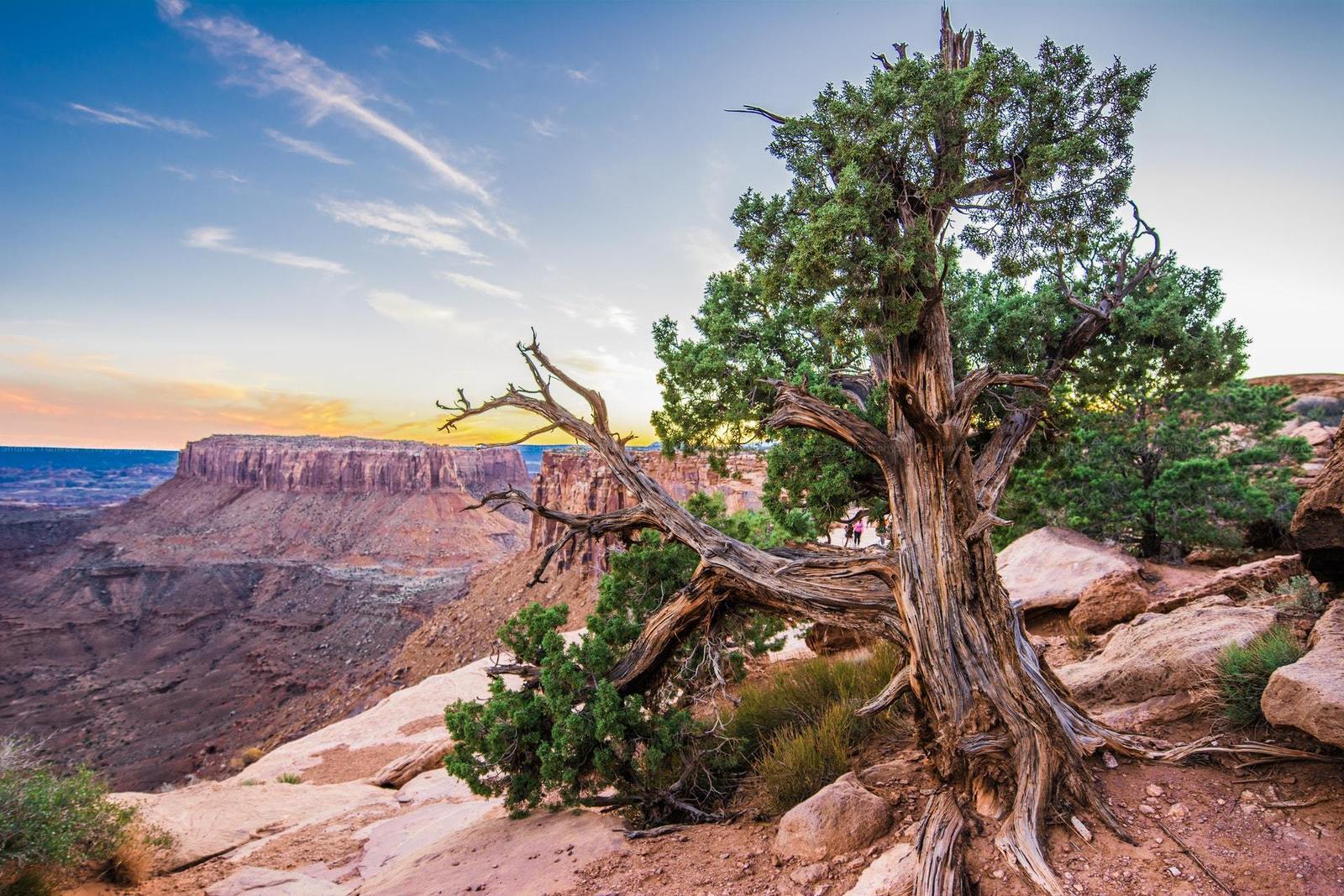
According to Doug Tallamy, a professor of entomology and wildlife at the University of Delaware, oaks are the best tree genus in North America “for supporting the food web that supports birds, the insects they eat and thousands of other species," he told the university's news outlet, UDaily. "They also capture more carbon than other trees and hold more rainwater on our properties than other plants." But you can plant any tree you like. Our step-by-step planting guide covers the basics, from choosing a species and a spot to caring for the tree once it's in.

2. Plant (or plan) a pollinator garden

Scientists estimate more than 30% of the food we eat exists because of pollinators, and the USDA warns that "there simply aren't enough pollinator friendly plantings to support pollinators." The agency recommends native plants for "their abundance of nectar and pollen," along with at least three different species blooming across spring, summer, and fall, so pollinators have food when they emerge and when they prepare for winter. If late September is already too cold where you are, use the day to sketch out the bed and order seeds for spring.

3. Volunteer locally, and bring a friend

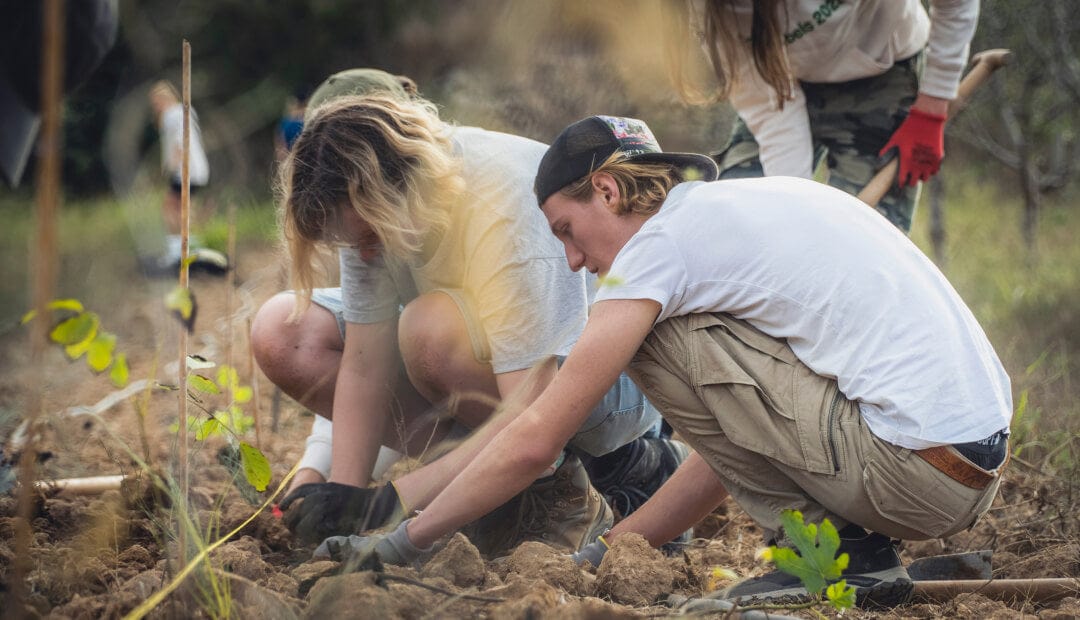
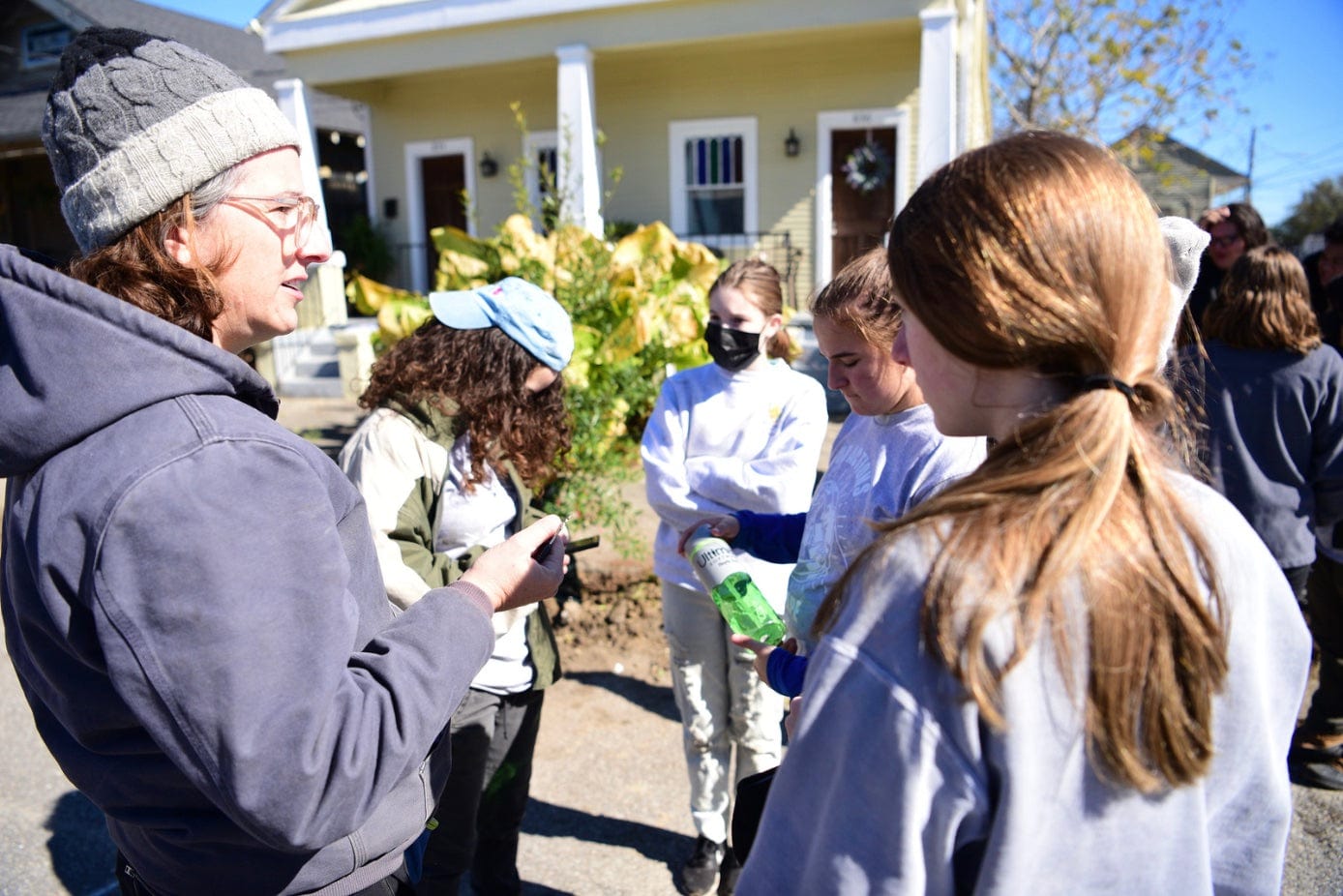
More than 75.7 million people (more than 28% of U.S. residents 16 and older) volunteered with an organization between September 2022 and September 2023, according to the U.S. Census Bureau and AmeriCorps. If you’re looking for a way to help, parks departments and local environmental groups often schedule fall cleanups, trail work, and plantings around this time of year, and signing up with a friend or turning it into a family outing makes it a plan you're far less likely to skip!

4. Read a book about trees, then pass it on

Richard Powers' "The Overstory" won the 2019 Pulitzer Prize for Fiction, with the jury praising "an ingeniously structured narrative that branches and canopies like the trees at the core of the story." Tallamy's "The Nature of Oaks" and Qing Li's "Forest Bathing" make good companions. We also have a list of nature and tree books. When you finish, share a favorite line or hand off the book to someone who'd enjoy it next.

5. Try forest bathing

"Make sure you have left your phone and camera behind," Dr. Qing Li, a medical doctor at Tokyo's Nippon Medical School and chairman of the Japanese Society for Forest Medicine, wrote. "A two-hour forest bath will help you to unplug from technology and slow down," he added. The Japanese practice, called shinrin-yoku, invites you to take an unhurried walk in nature, observing the sights, sounds, and smells of the woods. A nature preserve, state park, or quiet wooded trail all work, and our forest bathing guide walks through the research on stress, cortisol, and mood.

6. Keep tabs on one tree this fall

Pick a tree you pass every day and log its seasonal changes. You can snap a pic with your phone, and you could take it a step further with Nature's Notebook, the USA National Phenology Network's program for tracking the timing of plant and animal activity. 

7. Hug a tree

In 1973, the Chipko movement in the Indian Himalayas coined the term "tree-hugger," environmental historian Ramachandra Guha told NPR. Chipko means "to hug" or "to stick to something" in Hindi, and Guha said the roughly 300 men, women, and children who threatened to embrace the trees to stop commercial logging were enough to make the government back off. The word later turned into a put-down in the U.S. before a younger generation claimed it back. "I love the term so much," Leah Thomas, an environmental author and founder of the Intersectional Environmentalist, told NPR. "I love calling myself a tree-hugger. There's nothing better than hugging trees."

8. Start a forest fundraiser

Fundraisers for special occasions and challenges built around events like running a marathon where ticket sales go toward reforestation, are a super fun way to raise money to plant more trees. You can start a forest fundraiser on your own or as a team, then share the page with everyone who might chip in. Plant a Tree Day gives the whole effort a natural finish line.

9. Get the word out

A personal recommendation is the most persuasive thing you can share, and 88 percent of global respondents in Nielsen's Trust in Advertising study said they trust recommendations from people they know more than any other channel. Send our Plant a Tree Day video to someone with a note about why reforestation matters to you, tag a friend when you post about the day, or forward our newsletter with a note about what caught your eye.

10. Give to One Tree Planted

Of course we have to mention that a Plant a Tree Day gift supports our reforestation work where it is needed most, helping restore critical habitats, heal landscapes, and drive global impact. If one day of giving feels too short, The Grove, our monthly giving community, turns Sept. 28 into a starting point. Grove members can choose their own amount and can change, skip, or cancel at any time, and their gifts provide the steady support needed to recover what's been lost. 

Happy Plant a Tree Day!

Give today
Give monthly
5 20 50 100
$ USD
lock icon Secure checkout powered by Shopify

Get news, updates, & event Info delivered right to your inbox:
Jill Ettinger
Jill Ettinger

Jill Ettinger is a writer and editor covering the intersection of culture and sustainability. Her reporting connects our everyday choices to the environmental and social-justice stories shaping them, from the products we put in our carts to the communities a changing climate touches most. She is based in Los Angeles.