Key Takeaways
- Plant a Tree Day started in 2018 with 30 community events, 600 volunteers, and just over 7,000 trees and shrubs planted in a single day!
- The UN's Global Forest Goals Report 2026 found that global forest area declined by more than 40 million hectares between 2015 and 2025, with financing for sustainable forest management still far short of what's needed to hit the 2030 targets.
- Forests are worth an estimated $16.2 trillion a year in ecosystem services and are the primary habitat for 80% of the world's amphibian species, 75% of its bird species, and 68% of its mammal species.
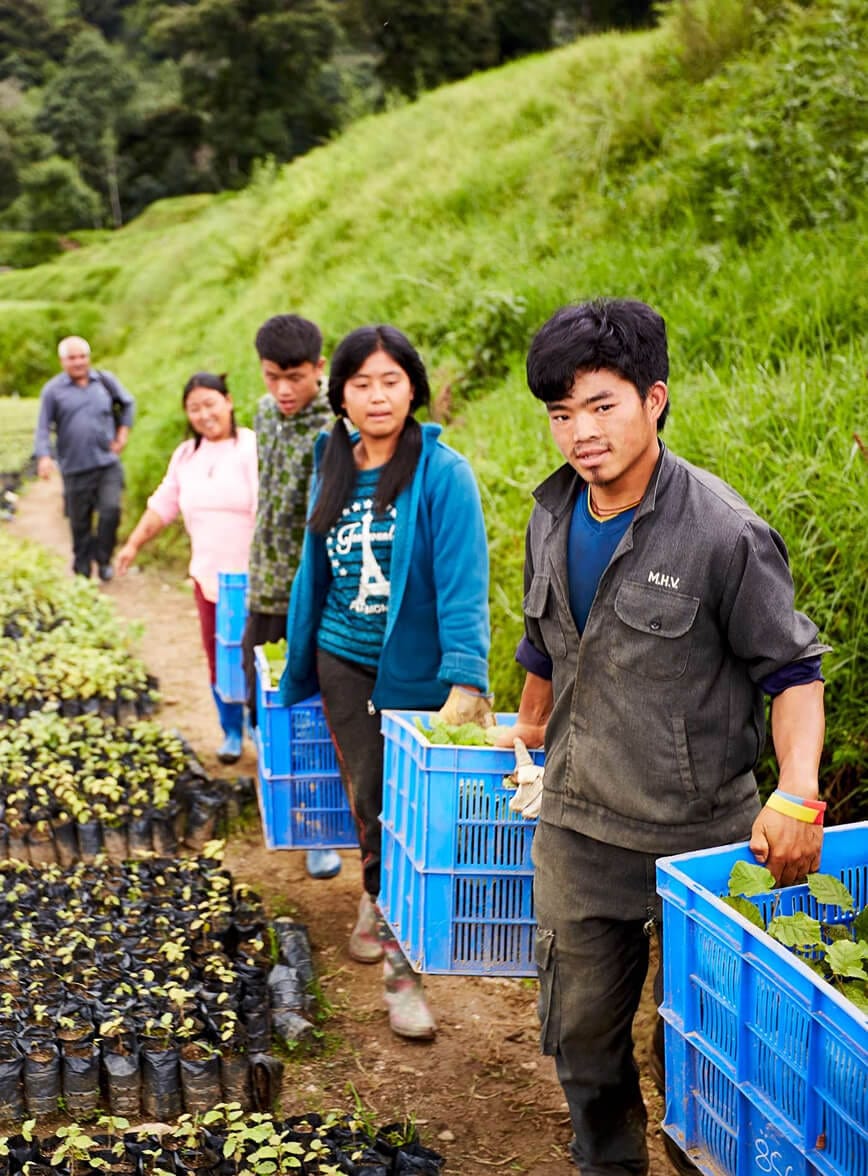
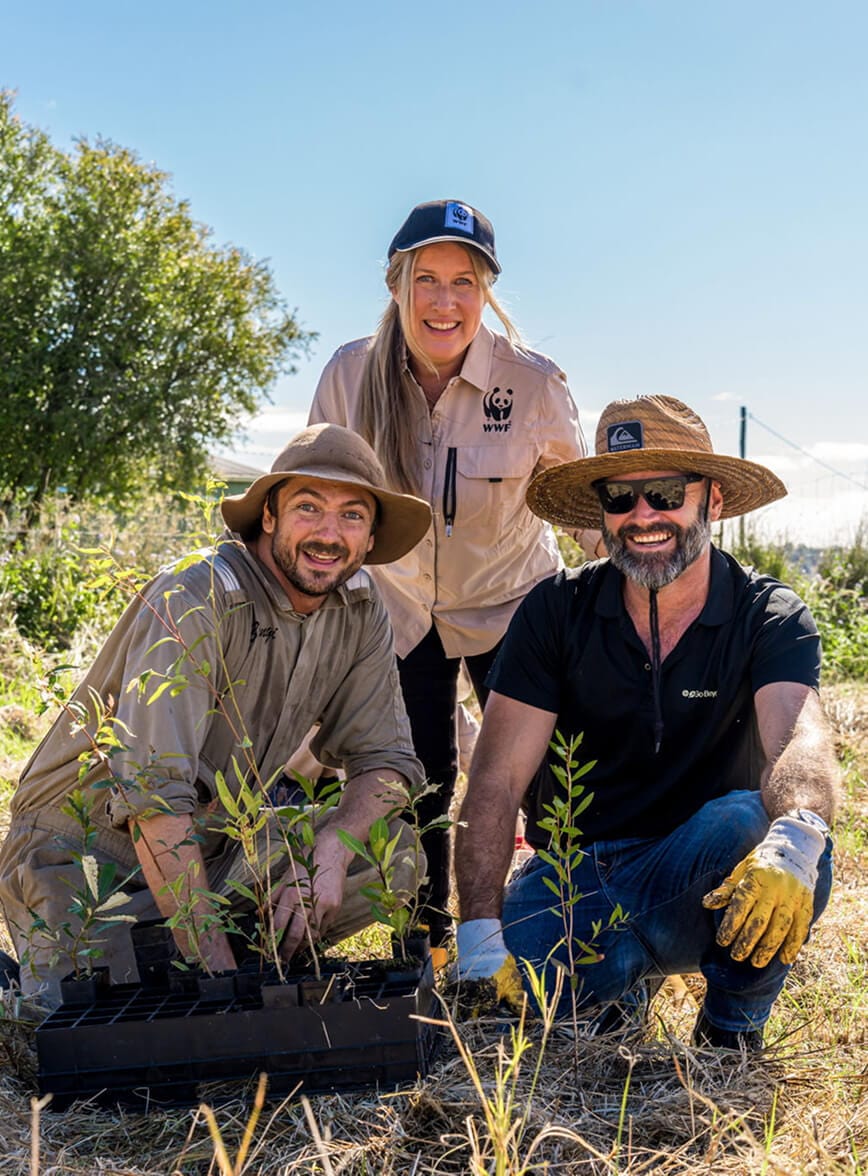
In the fall of 2018, 600 people showed up at 30 different sites — all to do the same thing: dig holes in the ground and put trees in them. By the end of the day, they'd planted more than 7,000 trees and shrubs. It was the very first Plant a Tree Day, and every year since, the event has grown into a global day for reforestation and celebration.
What Is Plant a Tree Day?
Plant a Tree Day is One Tree Planted’s annual day of action, held every Sept. 28, built to turn awareness of forest loss into planting, volunteering, and giving. It runs as a coordinated push across our network each year, timed to the start of fall planting season in the Northern Hemisphere, when the ground is ready for new roots. It's a day of action — getting new trees in the ground — and it’s also designed to prove that individual efforts can add up to something at landscape scale.
The day has since outgrown its founding numbers. We've now planted more than 171 million trees with 489 partners across 84 countries, and Plant a Tree Day has become the moment each year when we ask people to convert that broader mission into a personal action, whether that's organizing a local planting or giving directly toward reforestation efforts.
Planting in late September is also practical. Fall planting benefits from cooler air, steadier rainfall, and soil that's still warm enough for root growth to continue for weeks after leaves drop, giving new trees a head start before the stress of a hot, dry summer arrives.

Why We Designed a Day Around Planting Trees
We have seen firsthand that collective action scales in a way individual effort can't. A single donation or a single afternoon with a shovel may seem small on its own, but stacked against thousands of other people doing the same thing on the same day, it becomes visible, both to the volunteers themselves and to the partners and municipalities deciding whether reforestation is worth investing in.
The second reason for Plant a Tree Day is more sobering. The UN's Global Forest Goals Report 2026, drawn from voluntary national reports submitted by 48 countries representing 51 percent of the world's forest area, found that global forest area declined by more than 40 million hectares between 2015 and 2025.
The world has lost 420 million hectares of forest since 1990, an area larger than the entire European Union. The rate of loss has eased somewhat, from roughly 16 million hectares a year in the 1990s to about 10 million hectares annually between 2015 and 2020, but primary forest, the old-growth stands that took centuries to form and can't simply be replanted, has shrunk by more than 80 million hectares over the same three decades.
The UN’s own accounting shows progress, but not at the pace 2030 requires. Of the 26 targets tracked under the UN Strategic Plan for Forests, seven are broadly met and 17 are partially achieved, but two are off track entirely: reversing forest loss and eradicating extreme poverty among forest-dependent communities. "As 2030 approaches, the challenge is no longer only to recognize the value of forests but to scale implementation at the speed required," Juliette Biao, director of the United Nations Forum on Forests Secretariat at the UN Department of Economic and Social Affairs said in a statement accompanying the report.

Why Forests Carry So Much Weight
Ecosystem services from the world's forests, clean water filtration, flood control, pollination, and soil stabilization among them, are worth an estimated $16.2 trillion annually, with more than 1.6 billion people depending directly on forests for timber, food, fuel, and shelter, according to the UN.
Forests host 80% of the world's amphibian species, 75% of its bird species, and 68% of its mammal species, a concentration that makes forests the backbone of terrestrial life. Standing forests also currently absorb around 30% of the carbon dioxide humans emit each year, acting as one of the planet's largest active carbon sinks.
Shaded surfaces can run 20 to 45 degrees Fahrenheit cooler at peak temperatures than unshaded pavement or roofing, a gap wide enough to meaningfully lower cooling costs and heat-related illness in dense neighborhoods. A single tree can also draw between 10 and 150 gallons of water from the ground on a given day, releasing nearly all of it back into the atmosphere through transpiration and keeping less than 5% for its own growth, which is why tree cover often shows up in flood and drought management plans.
Plant a Tree Day Impact
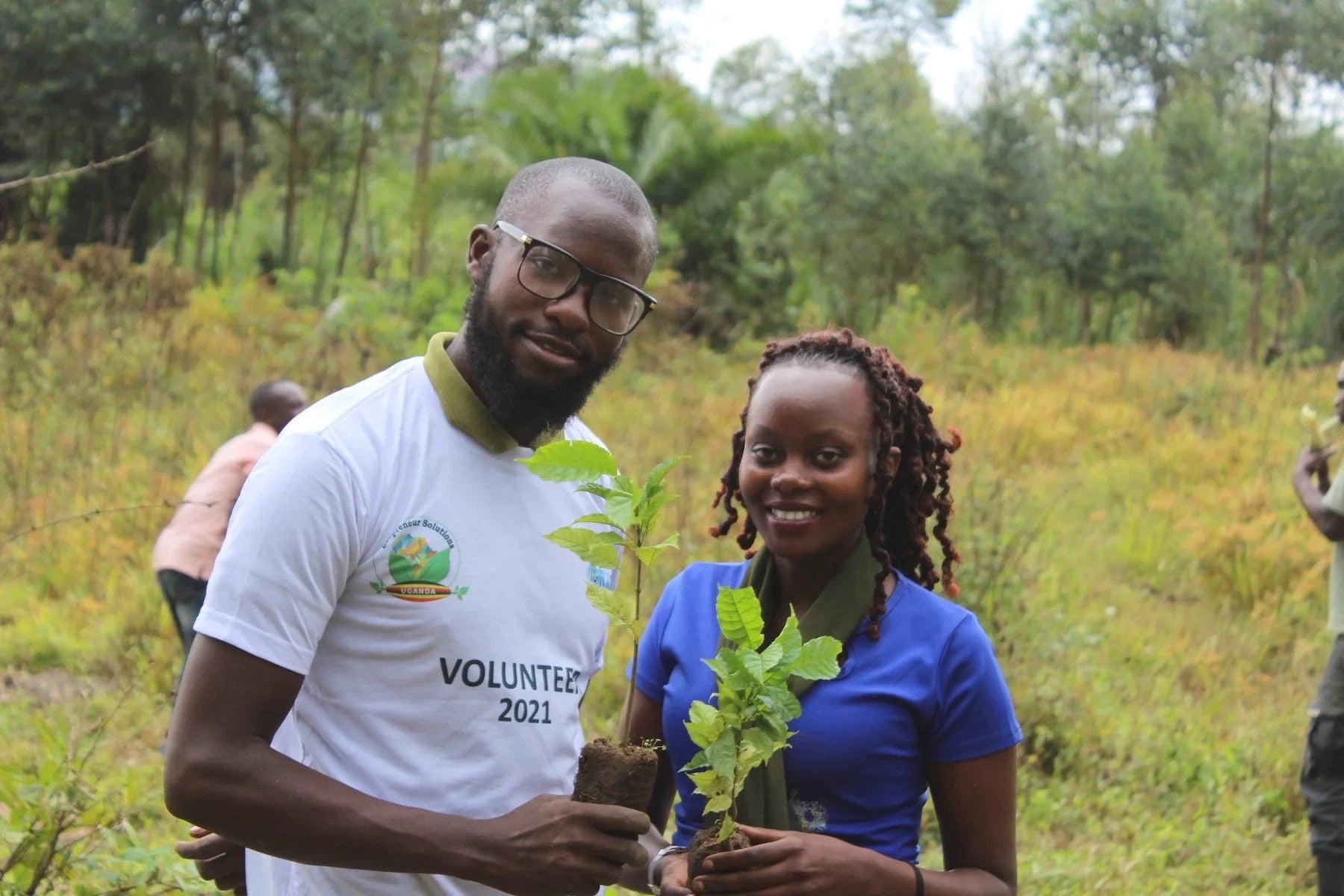
Community-organized events remain the backbone of Plant a Tree Day, and our forest fundraiser platform turns everyday personal milestones into reforestation campaigns, from a birthday, a marathon, or community challenge with the proceeds funneled straight into restoration work.
Donations made through Plant a Tree Day go toward restoring critical habitats and healing landscapes where the need is greatest, rather than being tied to a single, predetermined location. Membership in our Grove monthly giving community offers that same support on a recurring basis, at whatever amount someone chooses to set.
The UN is now pressing governments to support reforestation efforts. "Forests are essential to achieving the Sustainable Development Goals, from climate action and biodiversity conservation to food security and resilient livelihoods," said Bjørg Sandkjær, Assistant Secretary-General for Policy Coordination at the UN Department of Economic and Social Affairs. "Investing in forests is investing in climate stability, resilient economies and the well-being of present and future generations."
At its core, though, Plant a Tree Day is still individuals all around the world, in groups large or small, committed to putting roots in the ground because tree planting is an activity always worthy of an afternoon.


