12 Fascinating Facts About Life on Planet Earth

by Meaghan Weeden April 07, 2026 5 min read

planet earth
Give today
Give monthly
5 20 50 100
$ USD
lock icon Secure checkout powered by Shopify

Get news, updates, & event Info delivered right to your inbox:

Key takeaways - Facts About Life on Earth

  • Our planet is a complex, interconnected living system: forests, oceans, biodiversity, and the climate all interact with and depend on one another.
  • Healthy ecosystems are critical to keep the planet stable and livable.
  • Reforestation is a proven way to protect life on Earth, by restoring forests that support climate, water, and wildlife.
  • Learning more about our wild and wonderful planet helps turn curiosity into action — whether that’s planting trees or supporting supporting landscape restoration.

A Closer Look at the Science of Life on Earth

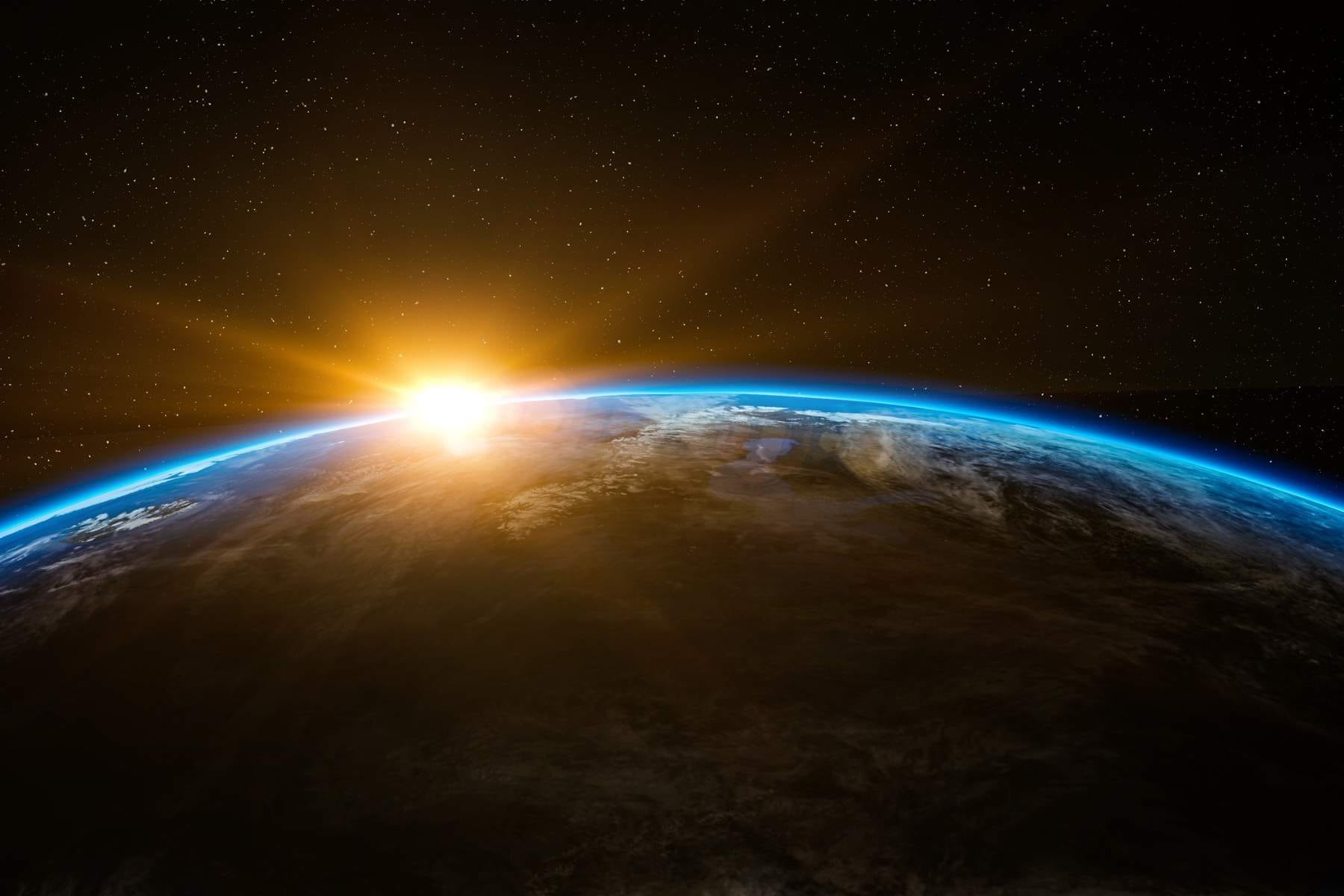
It’s easy to get so caught up in our routines and responsibilities that we forget: simply being alive on this extraordinary planet is a miracle. Among what is likely to be trillions of other planets in the Milky Way galaxy, Earth is the only one with an environment that's known to harbor and sustain life.

This post explores 12 fascinating facts about life on Planet Earth — from forests and oceans to biodiversity and climate — that remind us just how much life on our planet depends on healthy ecosystems. As One Tree Planted works to restore forests and landscapes, understanding how it all connects to the bigger picture keeps us rooted.

12 Facts Worth Knowing About The Planet We All Share

The reason for Earth's seasons? A tilted axis
Wet, dry, spring, summer, fall, winter. No matter where on Earth you live, the seasonal conditions you experience are due to our planet's natural tilt. At all times, Earth is tilted by around 23.5 degrees (it can vary from 22-24.5 degrees).

As the Earth orbits around the sun, different regions are more exposed to it. Whether an area is tilted toward or away from the sun influences the strength of solar energy that reaches it, the length of days, and more. All of these factors combine to create the changing conditions we know of as seasons.

Oceans Cover 70% of Earth's Surface

The ocean's surface area is approximately 360 million km² (139 million mi²) and it's average depth is 3,682 meters (12,080 ft).

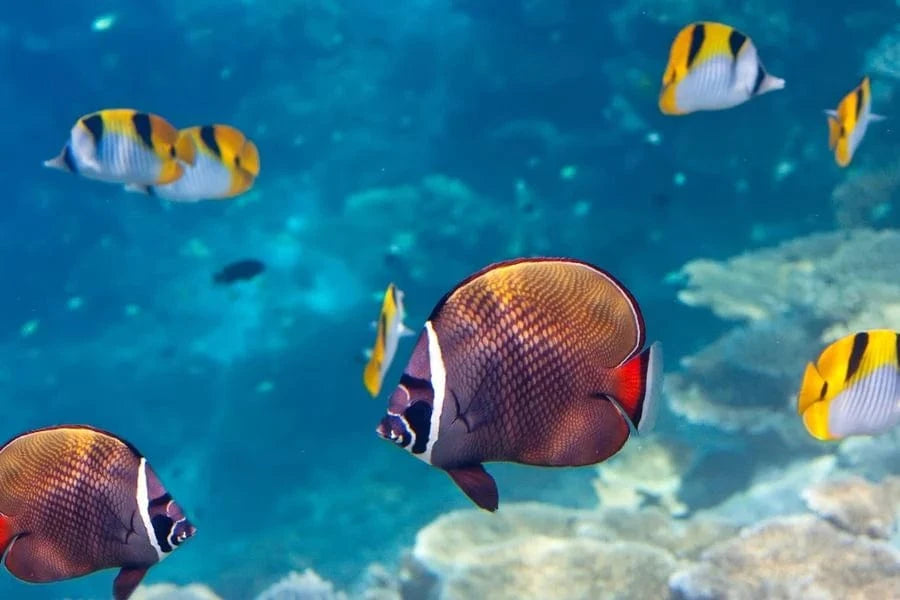
Scientists estimate there may be between 700,000 and 1 million species living in the ocean (excluding most microorganisms, which number in the millions). Around 2/3 of these species have yet to be discovered. 

The Largest Living Organism Is an Australian Seagrass
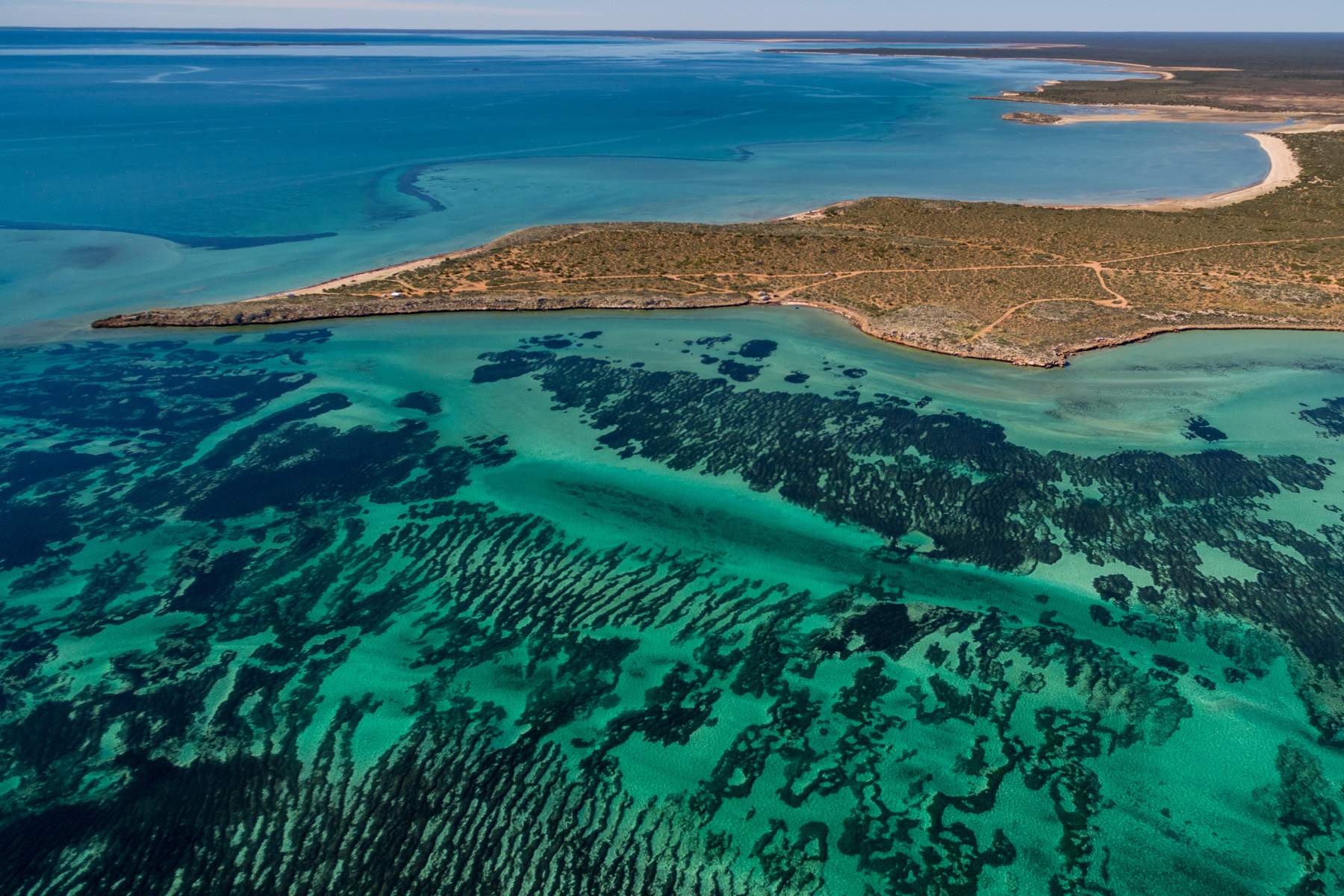
The largest living organism on Earth is not a blue whale or a towering tree — it’s seagrass! Found in Shark Bay off the coast of Western Australia, this massive meadow of Posidonia australis seagrass spans approximately 200 square kilometers (77 square miles).

According to Guinness World Records, that's equivalent to around 28,000 soccer fields, making it 450 times bigger than Vatican City. Based on the known growth rate of the species, scientists estimate this specimen is around 4,500 years old. Over millennia, it has spread via clonal shoots, meaning the entire plant is connected and shares the same DNA.

Mountains Are Formed When Earth's Tectonic Plates Collide
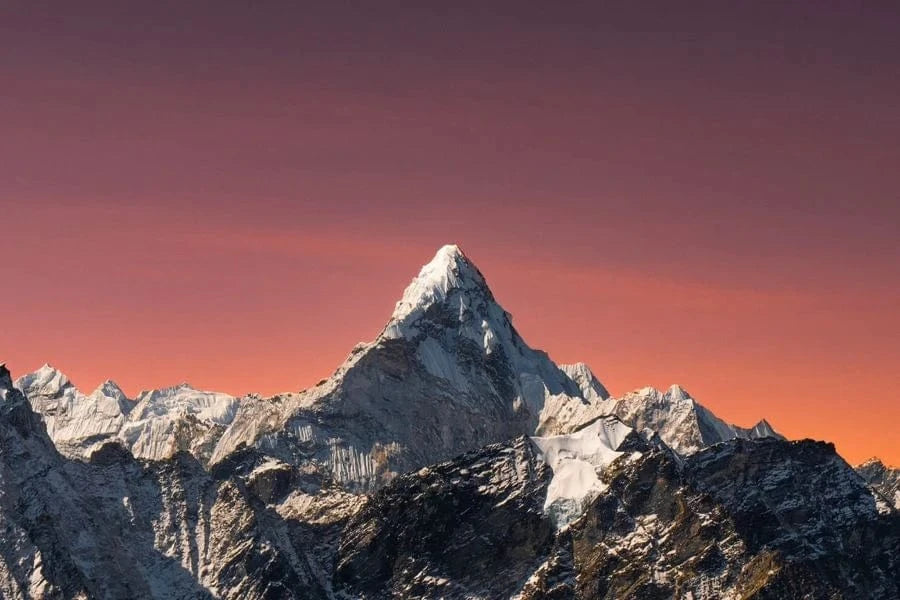
When two tectonic plates have a similar thickness and weight, they will crumple and fold until rocks are forced upward, forming a mountain range.

One of the youngest mountain chains on Earth, the Himalayas, was formed nearly 50 million years ago when the Indian Plate collided with the Eurasian Plate. The Himalayas are still rising by more than 1 cm per year as India continues to shift northward into Asia.

Northern Lights Are A Natural Phenomenon
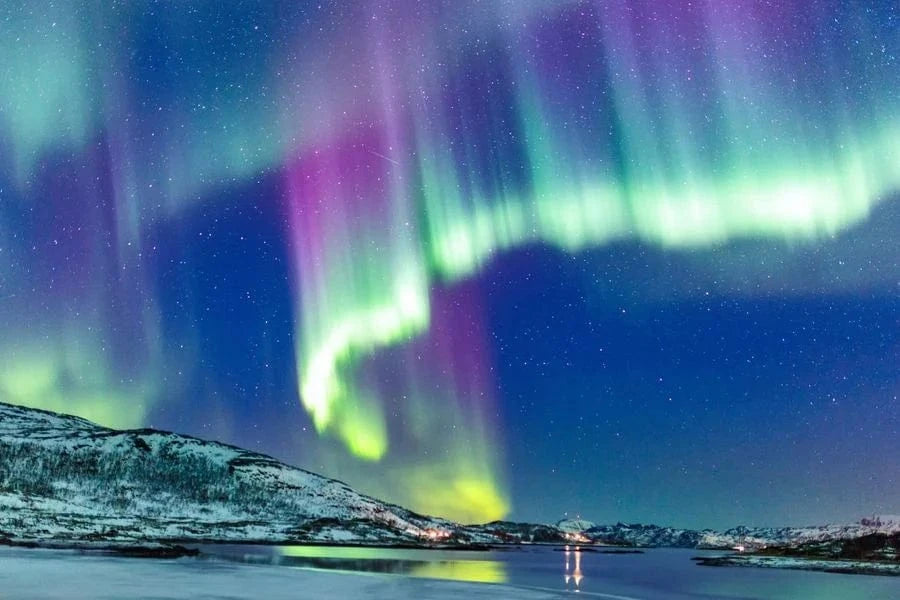
The northern lights, also known as aurora borealis, are natural light shows that are triggered by solar activity. In addition to heat and light, the sun emits energy and small particles; Earth's magnetic field shields us from most of it. During a solar storm called a coronal mass ejection, the sun emits a large bubble of electrified gas. When this emission approaches Earth at speed, some of the energy and particles break through into our atmosphere, at the north and south poles. Once in our atmosphere, these particles interact with atmospheric gases, creating the colorful displays we know as northern and southern lights. Oxygen gives off green and red light, while nitrogen glows blue and purple. 

Earth Day Was Started by a Wisconsin Politician
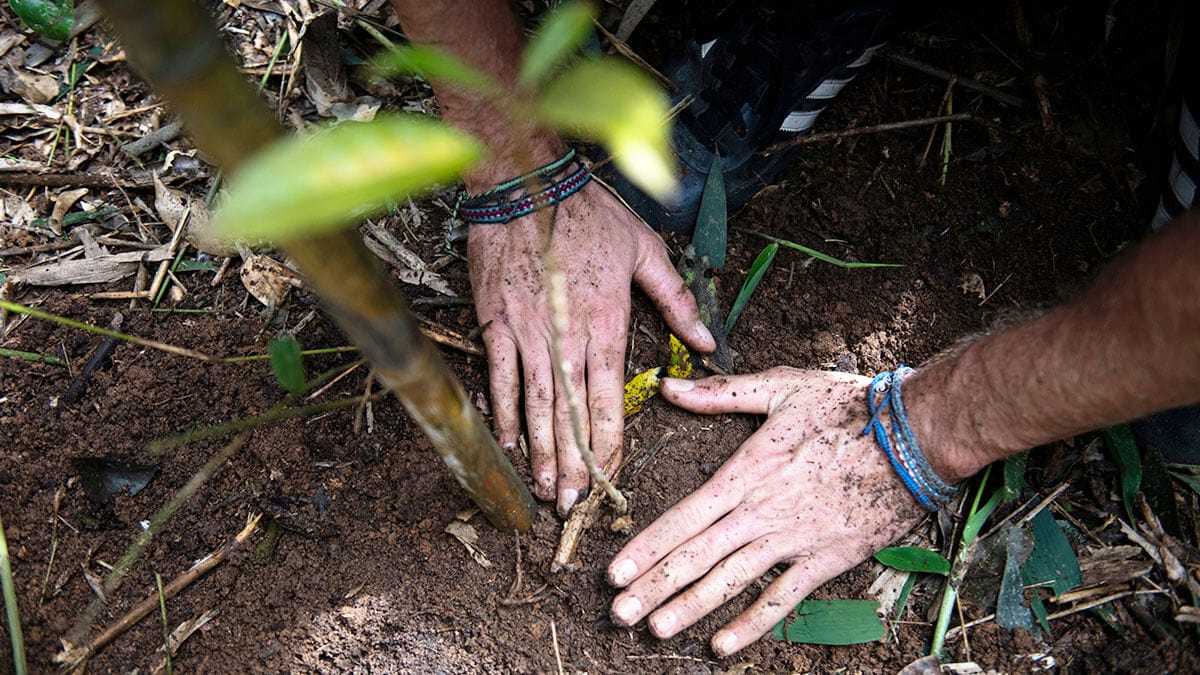
The very first Earth Day was held on April 22, 1970 by Wisconsin Senator and environmental activist Gaylord Nelson. An impressive 20 million Americans, approximately 10% of the population at the time, took to the streets, parks and auditoriums to protest alarming environmental issues.

These protests focused on the impacts of 150 years of industrial development, including oil spills, toxic drinking water, air pollution, and the effects of pesticides. Earth Day is credited with sparking the modern environmental movement and inspiring landmark legislation in the United States, including the Clean Air Act, the Clean Water Act, and the Endangered Species Act.

The World's Tallest Tree Is A Redwood

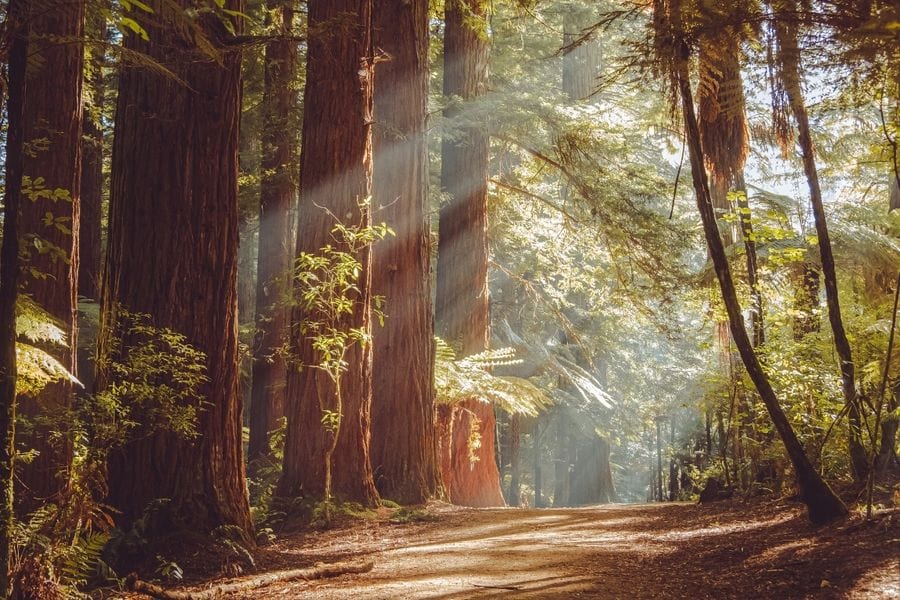
The world’s tallest tree is a 379.1-foot tall coastal redwood named Hyperion that resides in California's Redwood National Park. The tree is estimated to be between 700-800 years old — young in comparison to the world’s oldest tree, the 4,800-5,000 year old Methuselah.

The existence of redwoods dates back to the Jurassic period, so it should come as no surprise that one of them is the tallest tree in the world. Just a few hundred feet away from this majestic giant is an area that was clearcut in the 1970's. It may have been weeks away from being felled, before the land was granted National Park status.

Earth's Largest Rainforest is the Amazon
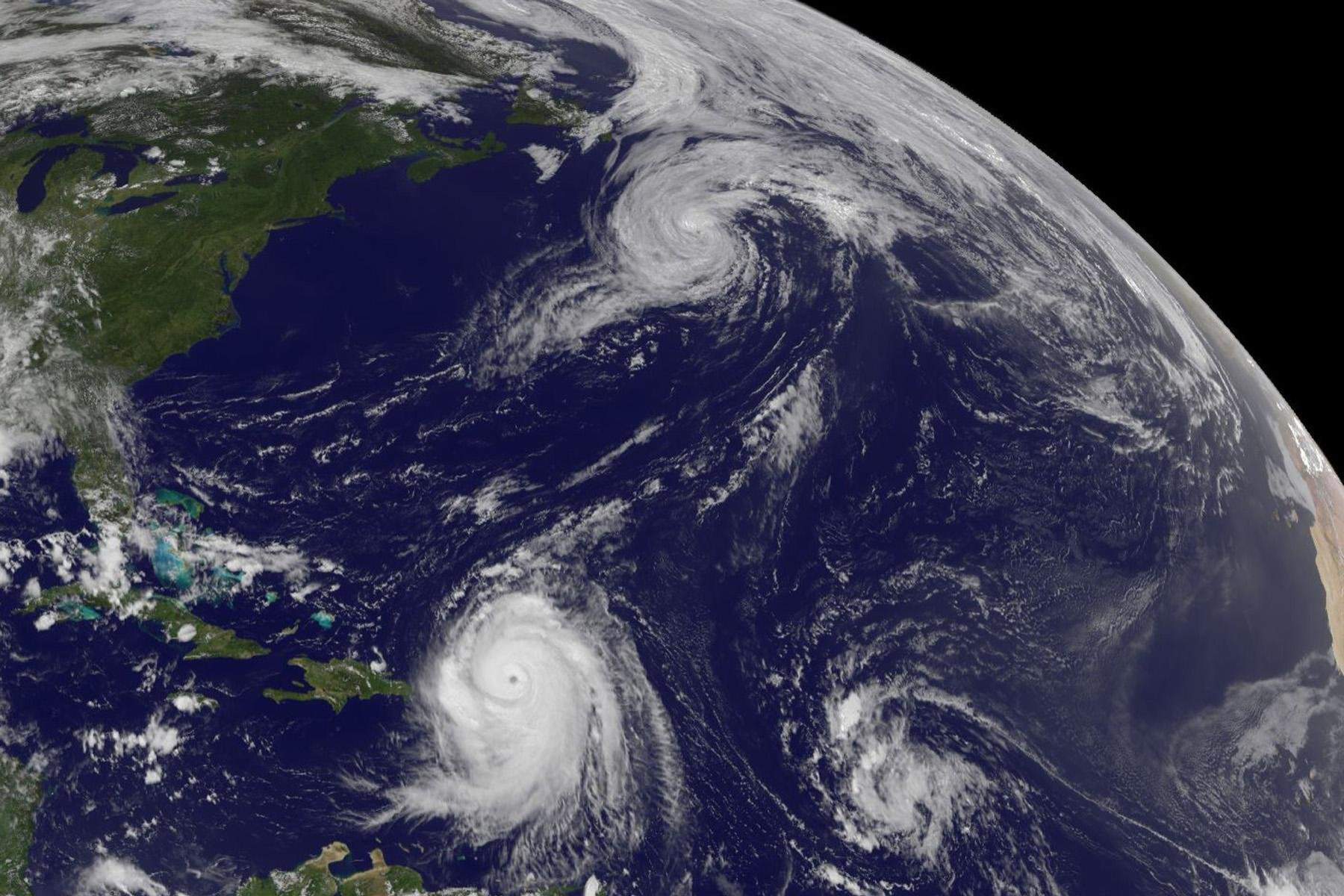
The Amazon Rainforest spans 9 countries and 2,300,000 square miles (6,000,000 square km). Home to approximately 10% of Earth's known biodiversity, it also holds an estimated 90-140 billion metric tons of carbon in its biomass and soils.

Over the last 40 years, 17% of the Amazon has been lost to deforestation and climate change.

Earth isn’t perfectly round

Our planet is bumpier than you’d think: it bulges at the equator and flattens at the poles due to its rotation. Uneven mass distribution also causes slight gravitational variations, though it still looks round from space.

Scientists estimate that there are around 8.7 million species of plants and animals on Earth
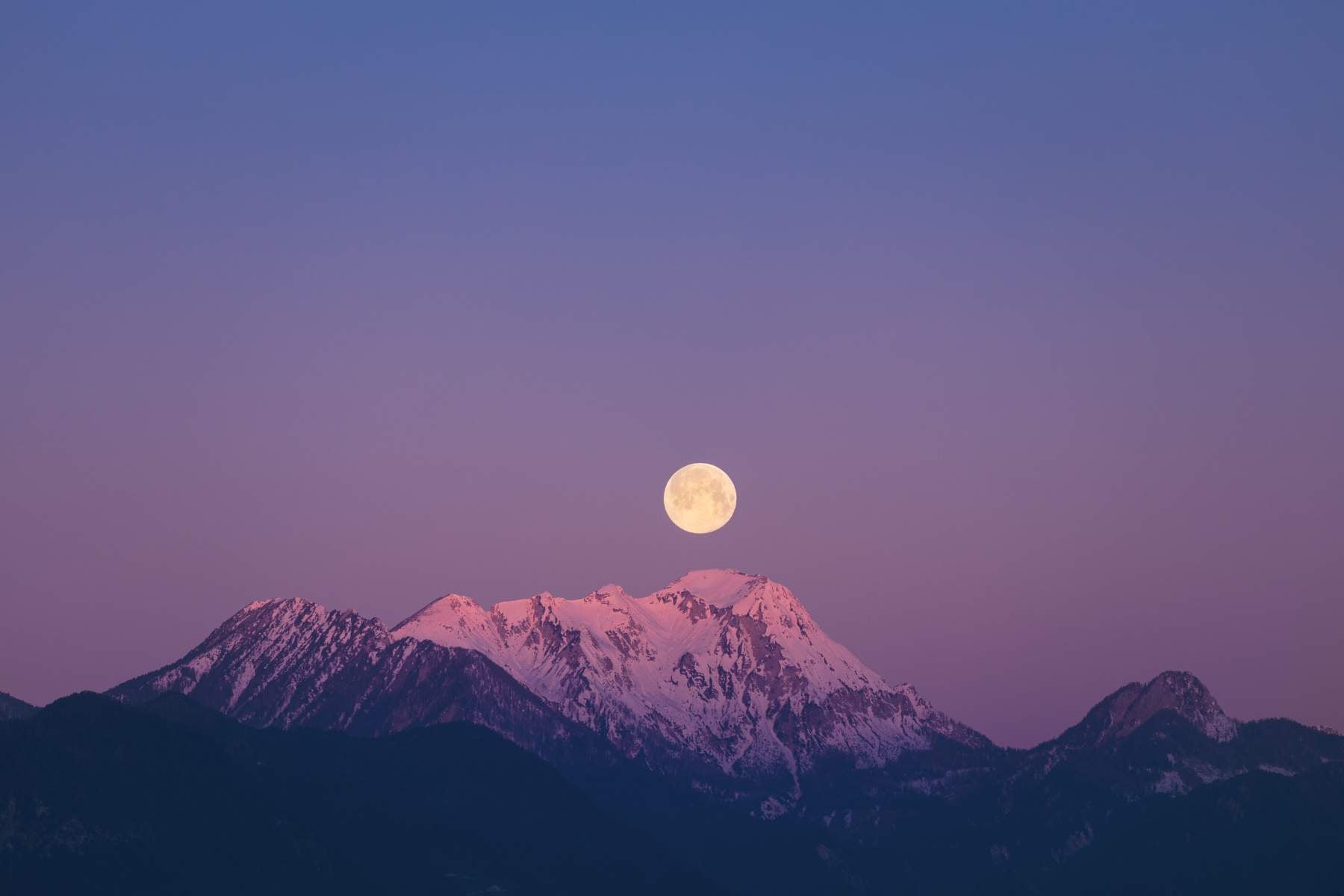
Only 1.2 million have been identified so far, and most are insects. If scientistic estimates are correct, 86% of Earth's species have yet to be fully identified and described.

Earth's Moon Helps Stabilize Our Climate
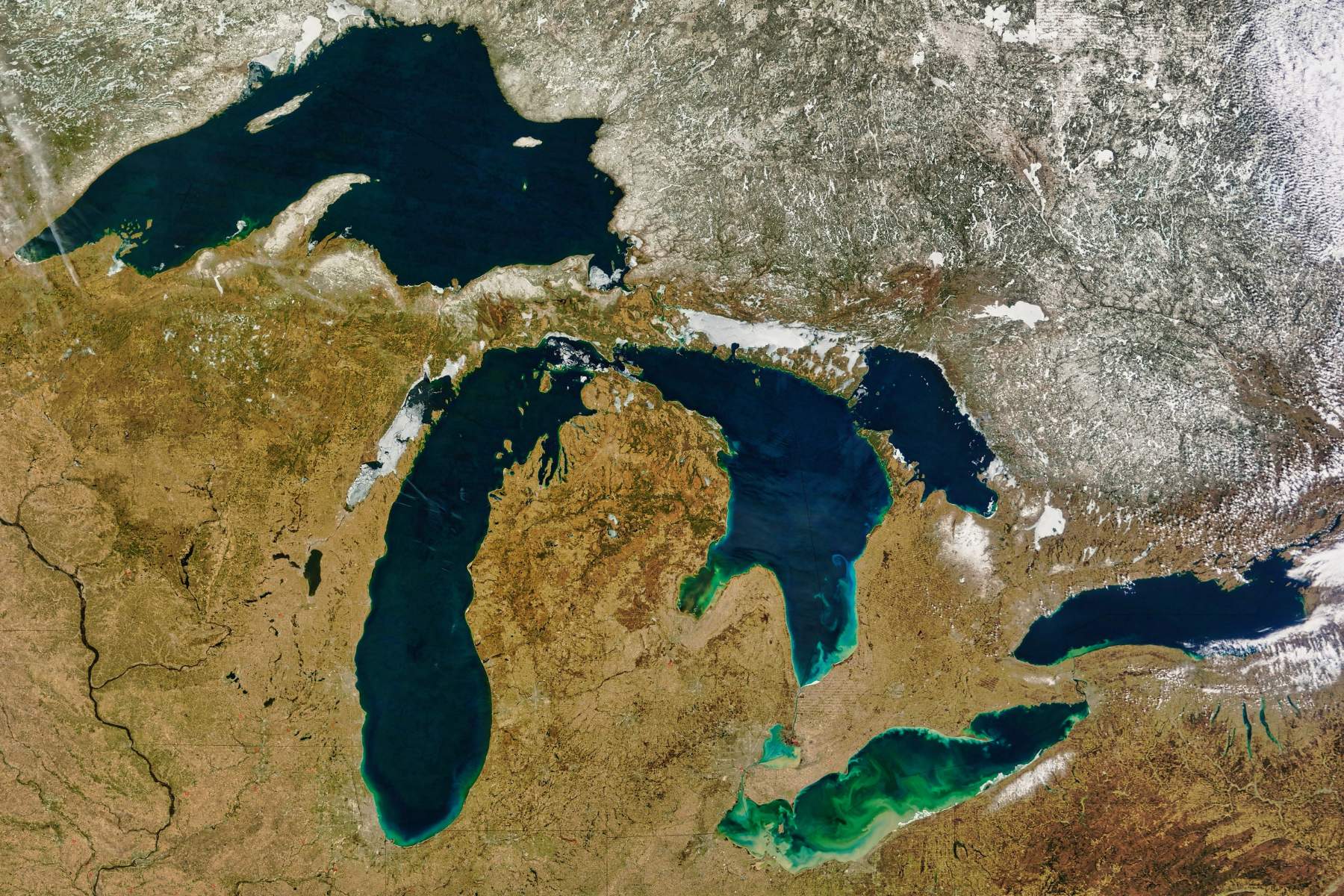
Earth’s single moon, the brightest object in the night sky, plays a key role in stabilizing the planet’s wobble. This stability has helped our planet maintain a consistent climate, making Earth a more hospitable home for life.

Earth has a squishy interior

Earth’s interior is semi-solid, allowing the mantle to flow and drive plate tectonics, volcanoes, and earthquakes. This squishy interior also causes post-glacial rebound — where land slowly rises after glaciers melt — seen today in Canada, Scandinavia, and rapidly in West Antarctica.

These 12 facts about life on Planet Earth show how amazing — and fragile — the balance of life on our planet is. Healthy forests, oceans, and biodiversity are the systems that keep life on Earth in balance.

Want to do your part to protect our Earth’s natural wonders? Support reforestation today.

Frequently asked questions

Why is biodiversity on Earth important?

Protecting biodiversity is critical to the survival of our planet and all living creatures on it — including ourselves. In fact, no matter where you live, we guarantee you depend on biodiversity to survive. From the oxygen we breathe to the food we eat, biodiversity keeps ecosystems resilient, provides food, clean water, and medicine, and helps natural systems adapt to changes like climate shifts. Losing species weakens the entire web of life.

How does reforestation support life on Earth?

Trees have the power to repair ecosystems, stabilize the climate, secure biodiversity and support local communities by bringing degraded landscapes back to life. Every forest restored helps rebuild nature’s infrastructure, strengthening the living systems that sustain life on Earth.

How can I help protect life on Planet Earth?

You can support environmental organizations that are doing the work, get involved by volunteering your time, and make everyday choices that reduce your environmental footprint. Every action matters.

Are these facts about Earth only relevant to scientists?

Not at all. These facts are relevant to anyone who lives on Earth, because healthy forests, oceans, and biodiversity directly affect air quality, water supplies, food systems, and climate stability for everyone.

Give today
Give monthly
5 20 50 100
$ USD
lock icon Secure checkout powered by Shopify

Get news, updates, & event Info delivered right to your inbox: