Environmental education allows students to explore environmental issues, engage in problem solving, and take positive action for the planet. Making Earth Day classroom activities accessible to today's kids and students is an investment in the future health of our planet.
Because deforestation, biodiversity loss, and other environmental challenges can feel overwhelming for young learners, it's important to channel that energy into hands-on, empowering experiences. Whether you're a teacher looking for Earth Day activities for elementary students, a parent wanting to get kids involved at home, or an educator working with older grades, these 7 Earth Month ideas are a great place to start. Looking for even more inspiration? Check out our full list of 40 Earth Day activities for all ages.

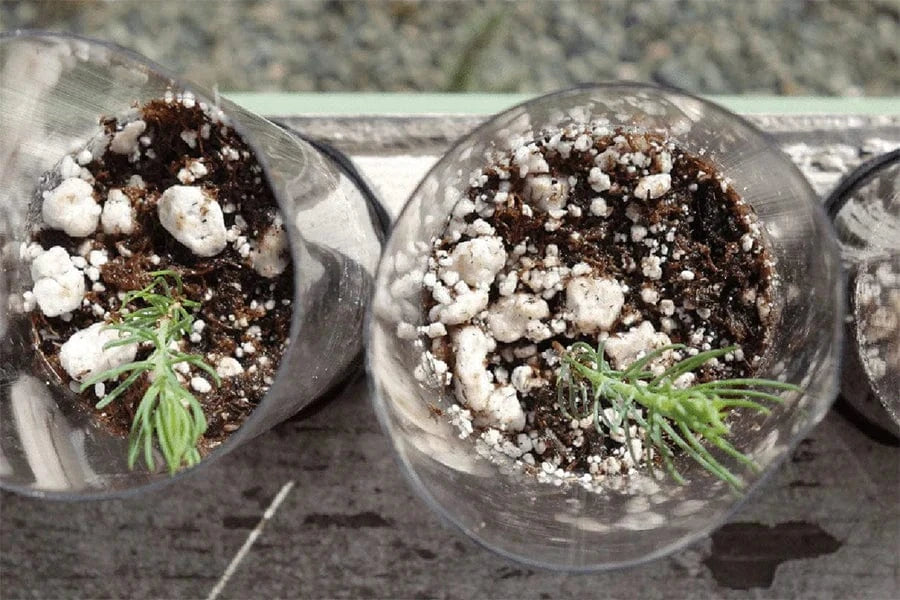
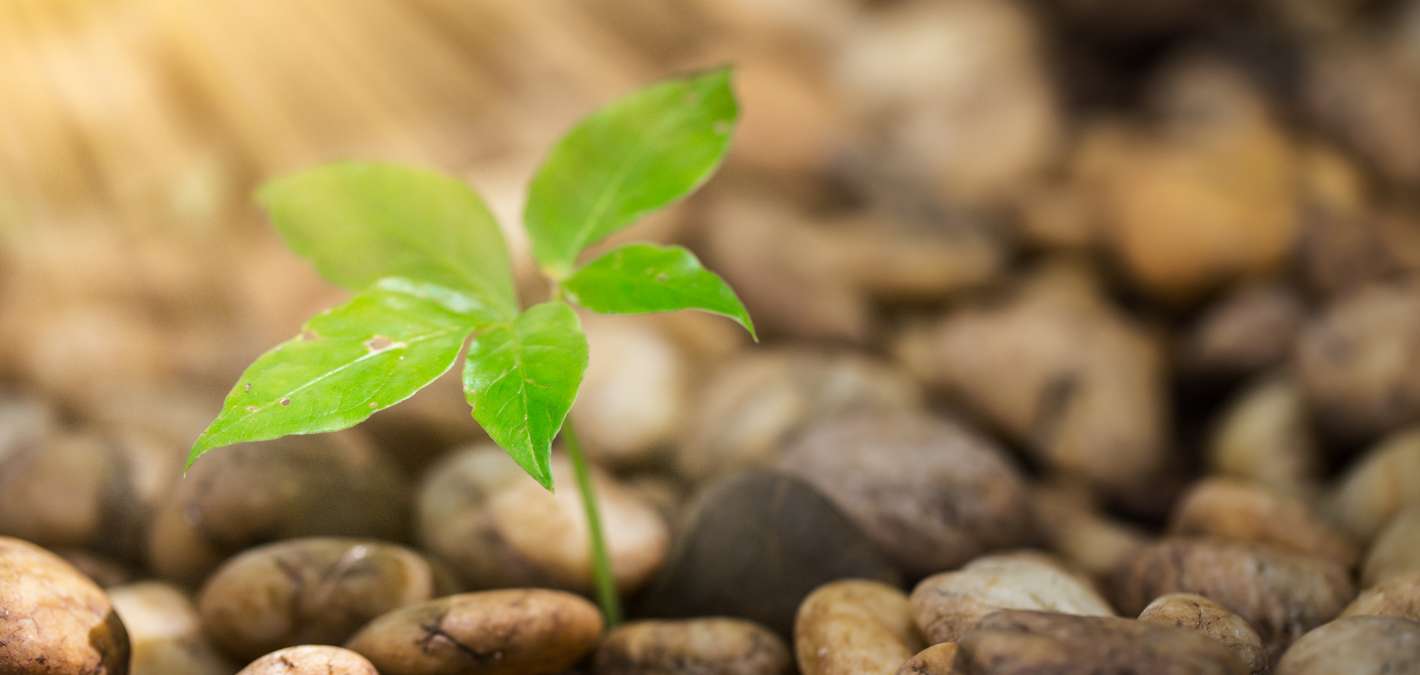
Starting a tree from seed and nurturing it until it's mature enough to plant in the ground is a deeply rewarding experience for kids of all ages. Consult with your local gardening center to determine which native tree species would be most beneficial to plant in your area: native trees support local wildlife and require less maintenance once established. This is a great, hands-on way for students to learn how trees grow, and it doubles as a long-term science experiment that students can track over the following weeks or months.
Best for: all grade levels.
Time needed: 30 minutes to set up, ongoing.

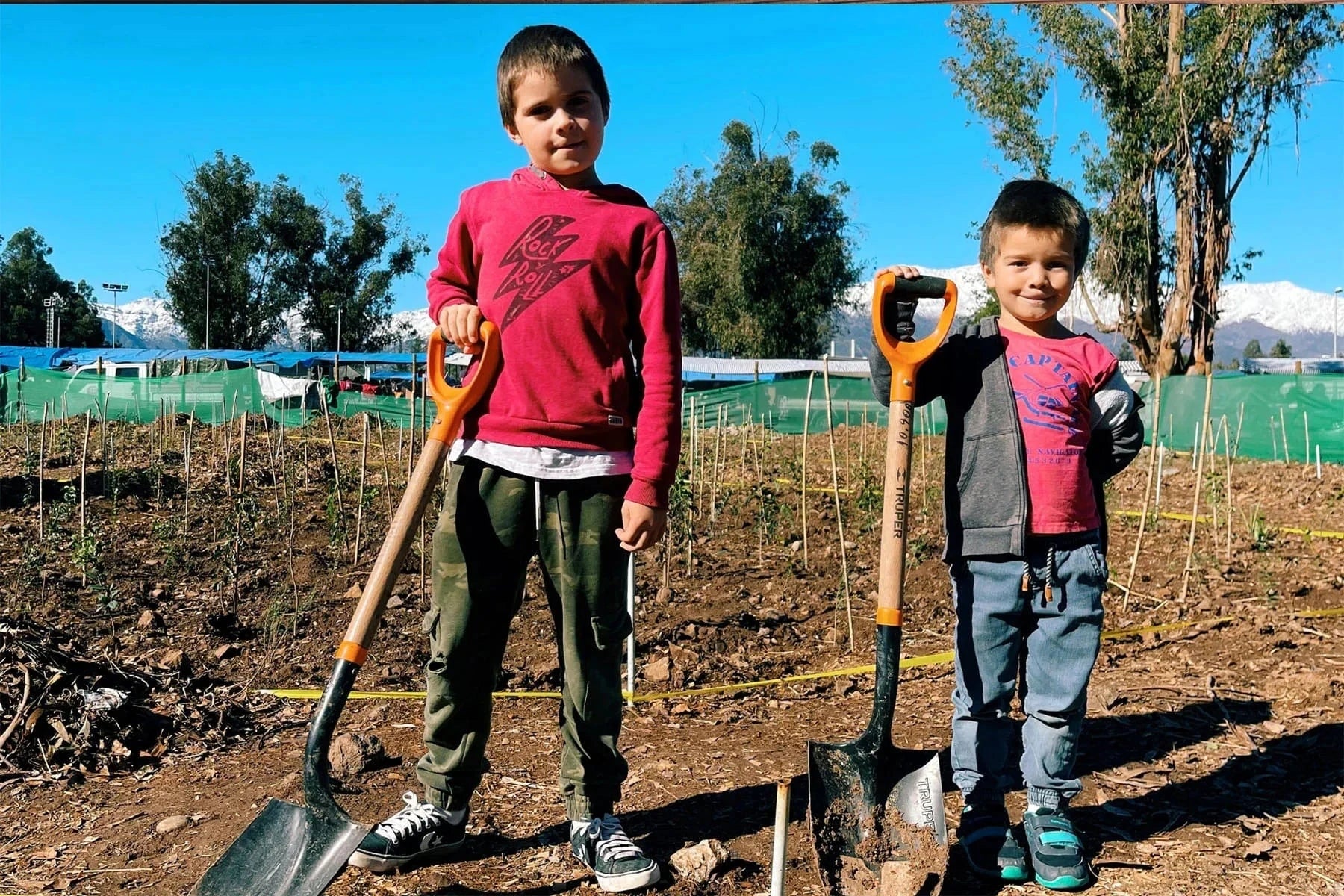
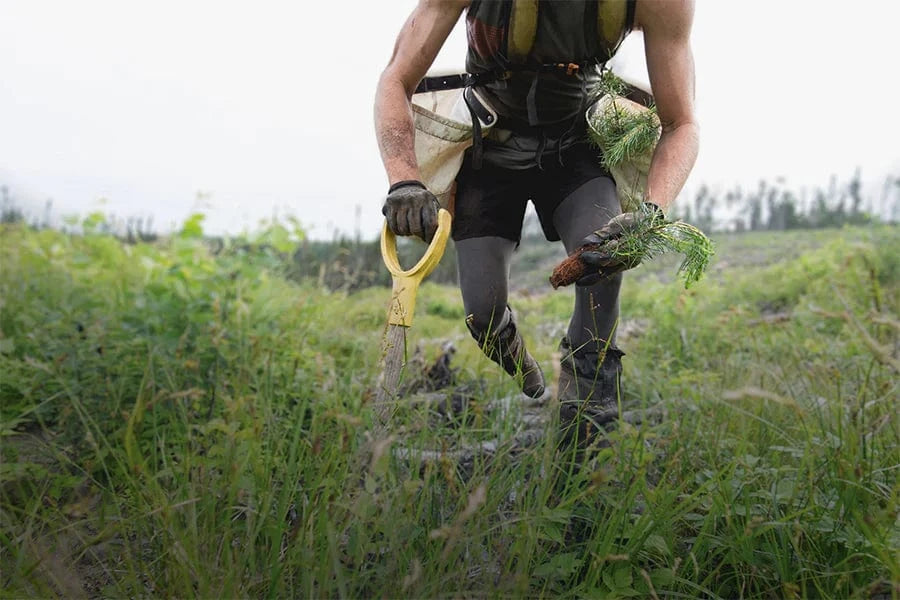
Volunteer to plant trees, remove invasive plants, or clean up a local park this Earth Month. Contact your local environmental group for kid-friendly volunteer opportunities — many organizations run Earth Day events specifically designed for school groups. If you can't find anything nearby, grab a pair of gloves and head outside for a trash cleanup on your school playground or in a local green space. Even a single hour of hands-on environmental action can leave a lasting impression on young learners.
Best for: all grade levels.
Time needed: 1–2 hours.

Create an information campaign at your school to share ways anyone can make a difference. Based on their individual skills and talents, have students create posters, signs, videos, or fliers about recycling, saving electricity, reducing waste, reforestation, or any other environmental topic they're passionate about. Display the finished work in school hallways, share on the school website, or present at a school assembly. It's a powerful way to teach students how to contribute their unique talents to a cause they care about, and it builds real-world communication skills in the process.
Best for: grades 3 and up.
Time needed: 1–2 class periods.

If you aren't able to organize or attend a tree planting activity with your class, you can always start a classroom Forest Fundraiser. Every dollar raised helps plant real trees somewhere in the world, giving students a direct, tangible connection between their effort and environmental impact. Set a class goal, track progress together, and celebrate when you hit it. It's a wonderful way to teach kids that collective action — even in small amounts — adds up to something meaningful.
Best for: all grade levels.
Time needed: set up in 15 minutes, run throughout April.
Divide your class into small green teams and have each team choose an environmental action they'll be responsible for in the classroom throughout April. This could include managing the recycling bin, composting food scraps, turning off the lights when leaving a room, or monitoring water waste. At the end of the month, have each team report back on what they did and what they learned. This teaches students a valuable lesson about the importance of everyday environmental actions, and shows them that sustainability is a team effort.
Best for: grades K–8.
Time needed: 20 minutes to set up, ongoing throughout April.

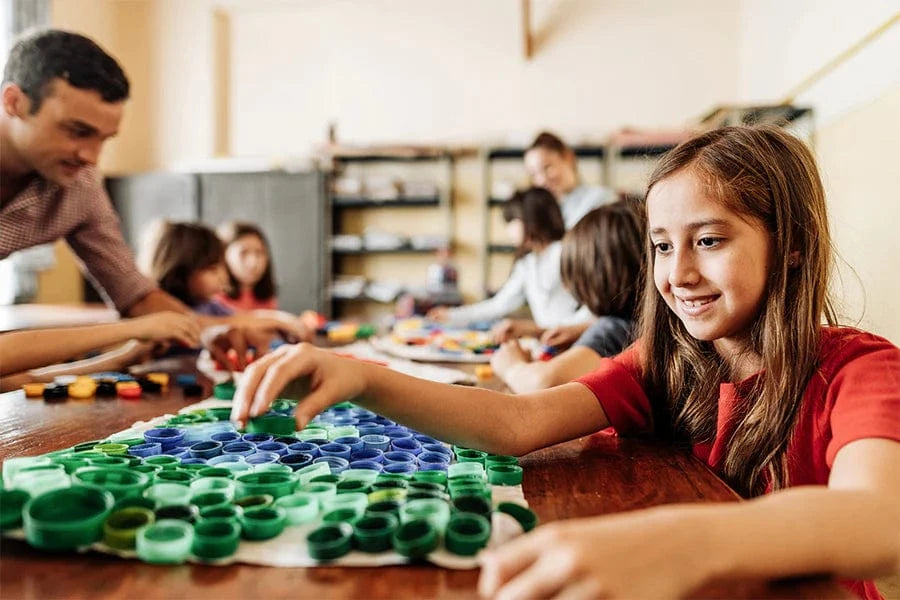
Collect used materials that would otherwise be thrown away (bottle caps, cardboard tubes, scrap paper, fabric scraps, etc.) and transform them into beautiful new pieces of art. Something as simple as a mosaic made from bottle caps can spark a rich classroom conversation about the persistence of single-use plastics in our environment and the importance of reducing waste. Display the finished artwork in your classroom or school as a visual reminder of the Earth Month values they learned.
Best for: grades K–8.
Time needed: 1 class period.

Create a pledge wall in your classroom and invite every student to add one thing they will do for the environment this month. Emphasize that no commitment is too small. At the end of April, bring the class together to share what they actually did, what they learned, and what surprised them. This simple activity builds accountability, reinforces the idea that individual actions matter, and gives students a moment of genuine pride in their contribution.
Best for: all grade levels.
Time needed: 15 minutes to set up, 30-minute debrief at month's end.
The best Earth Day activities for elementary students are hands-on and action-oriented. Growing a tree from seed, doing a playground cleanup, making upcycled art from recycled materials, and creating a classroom pledge wall are all age-appropriate options that combine learning with doing. Activities that connect kids to nature, even in a small schoolyard, tend to have the most lasting impact.
Teachers can celebrate Earth Day in the classroom by organizing green teams, running a school-wide information campaign, starting a forest fundraiser, or dedicating a class period to creating upcycled art. Earth Month (all of April) gives teachers flexibility to spread activities across multiple lessons rather than focusing everything on April 22. Tying activities to existing curriculum areas like science, art, or social studies makes them easier to fit into the school day.
A green team is a small group of students who have been assigned responsibility for a specific environmental action in the classroom or school. This might be managing recycling, monitoring energy use, or reducing food waste. Green teams teach kids that sustainability is a shared responsibility and that everyday habits have a real environmental impact. They're easy to set up, require minimal resources, and can run throughout Earth Month and beyond.
The theme for Earth Day 2026 is Our Power, Our Planet. It's centered on the idea that individual and collective action are the keys to a more sustainable future. The theme is a reminder that environmental stewardship is sustained by the daily decisions of communities, educators, workers, innovators, and families who understand that protecting the places they live and work is both a responsibility and a long-term investment. You can learn more and find events near you at earthday.org.
So there you have it: 7 Earth Day classroom activities to help students of all ages connect with the environment, take meaningful action, and celebrate Earth Month 2026. Want to extend your impact beyond the classroom? Plant trees today, or explore our full list of 40 Earth Day activities for all ages.
12/03/2026 by Meaghan Weeden
05/03/2026 by Meaghan Weeden
13/01/2026 by Meaghan Weeden
23/12/2025 by Meaghan Weeden
16/12/2025 by Meaghan Weeden
11/12/2025 by Meaghan Weeden
The Grove is more than just a monthly giving program: it's a vibrant community of individuals who are dedicated to reforestation and environmental restoration on a global scale.