How to Reduce Waste: 26 Practical Zero Waste Tips for Everyday Living

by Meaghan Weeden July 02, 2026 6 min read

reusable bags
5 20 50 100
$ USD
lock icon Secure checkout powered by Shopify
Summer of wild - 3x Match

Your first three months, matched!

Join the Grove

Get news, updates, & event Info delivered right to your inbox:

Key Takeaways: Practical Steps to Shrink Your Environmental Footprint

  • Reduce household waste by choosing reusable and low‑waste products, such as refillable bottles, cloth bags, and reusable produce bags — and avoiding single‑use plastics.
  • Cut food and organic waste by planning meals, composting scraps, and choosing items with minimal packaging to reduce landfill and methane impacts.
  • Embrace practical zero‑waste swaps and lifestyle habits, like buying in bulk, supporting local food systems, thrifting clothing, and replacing disposable storage with reusable options.

Easy Ways to Reduce Your Waste

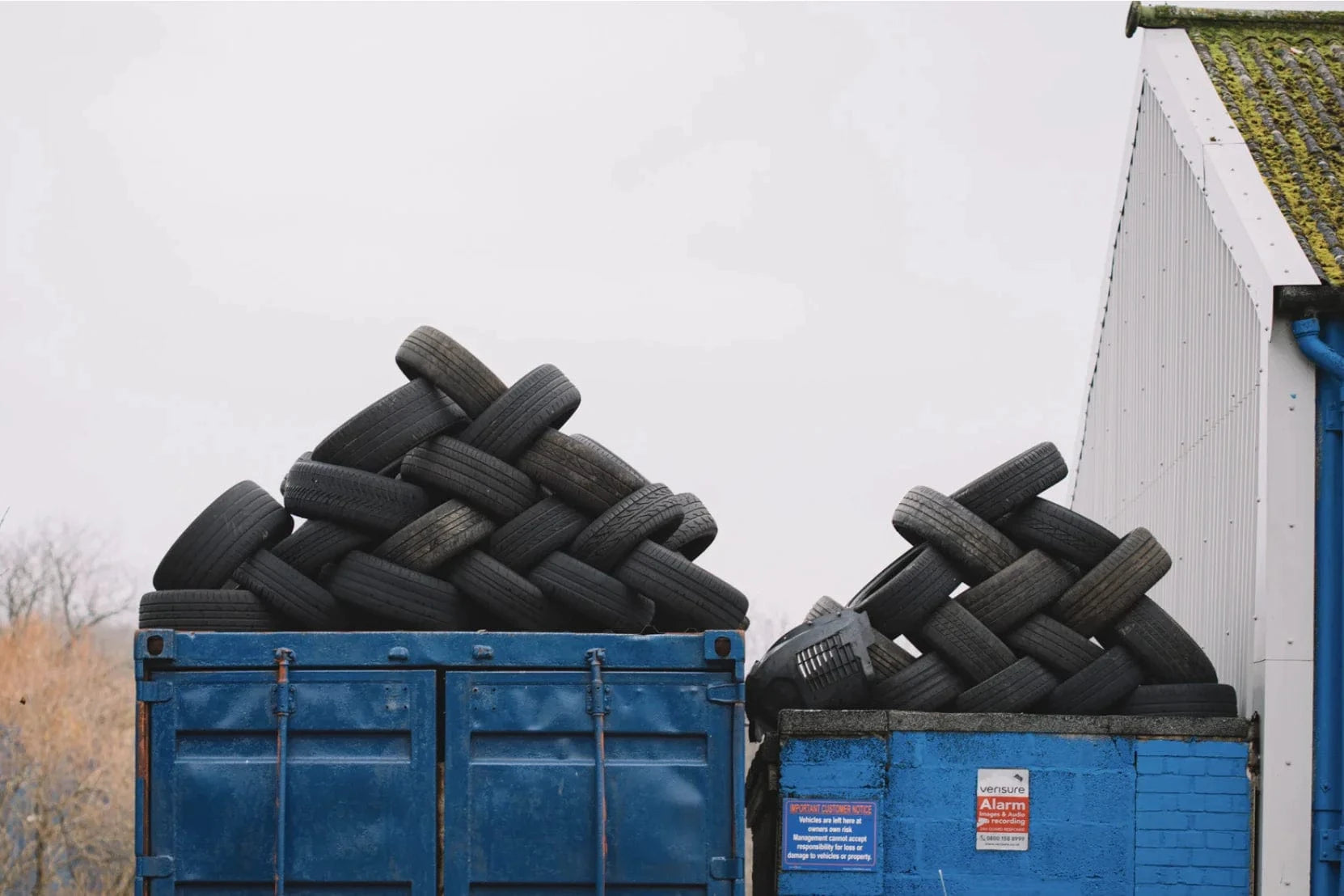
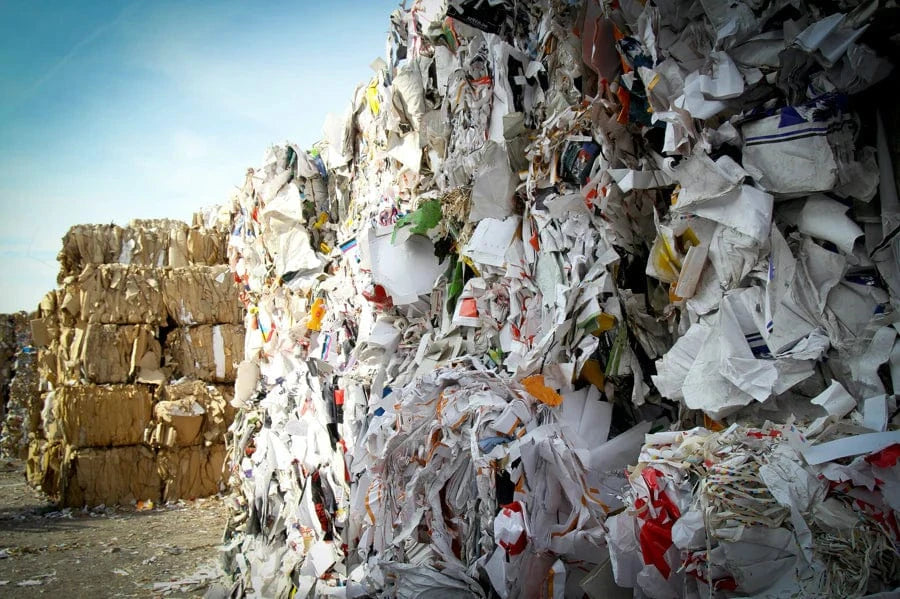
In 2018, the United States EPA reported that the US generated a staggering 292.4 million tons of municipal solid waste — about 4.9 pounds per person per day. That’s a mountain of tires, food scraps, packaging, and old furniture that went straight to landfills.

Zooming out, the United Nation's 2024 Global Waste Management Outlook reported about 2.3 billion tonnes of municipal waste in 2023 and warns it could reach 3.8 billion tonnes annually by 2050 without major interventions. “Uncontrolled waste knows no national borders. It is carried by waterways across and between countries, while emissions from the burning and open dumping of waste are deposited in terrestrial and aquatic ecosystems and in the atmosphere. Pollution from waste is associated with a range of adverse health and environmental effects, many of which will last for generations.”

In other words, the waste crisis affects all of us. While tackling such a massive problem may feel overwhelming, reducing your own waste footprint is something you can do at a pace that works for you. As Zero-Waste author Anne Marie Bonneau put it, “We don’t need a handful of people doing zero waste perfectly. We need millions of people doing it imperfectly.”

Reduce Reuse Recycle: 26 Ideas to Help You Reduce Waste at Home

Whether you're embracing more sustainable habits or purchasing more environmentally friendly products, every small change counts. Here are 26 simple tips to help you get started on your zero-waste journey, without the stress of "doing it all."

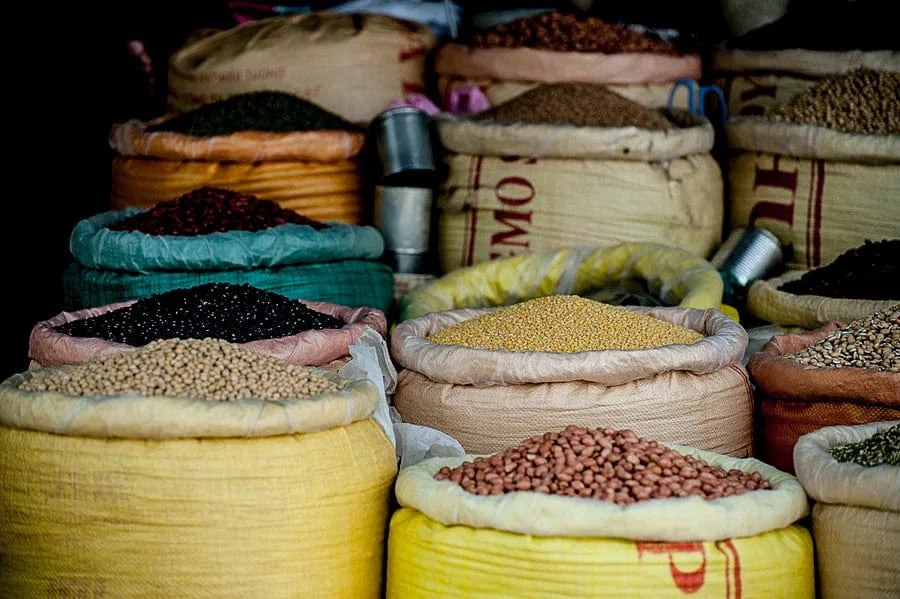
1. Buy in Bulk to Cut Down on Packaging Waste

Consider buying staples in bulk and storing them in reusable containers like mason jars or cloth bags. Because you can control the amount you buy, you get exactly what you need. You should notice a difference at the grocery store checkout, too, since pre-packaged goods tend to come with a higher price tag. To save even more money, consider joining a local food buying club (or starting one)!

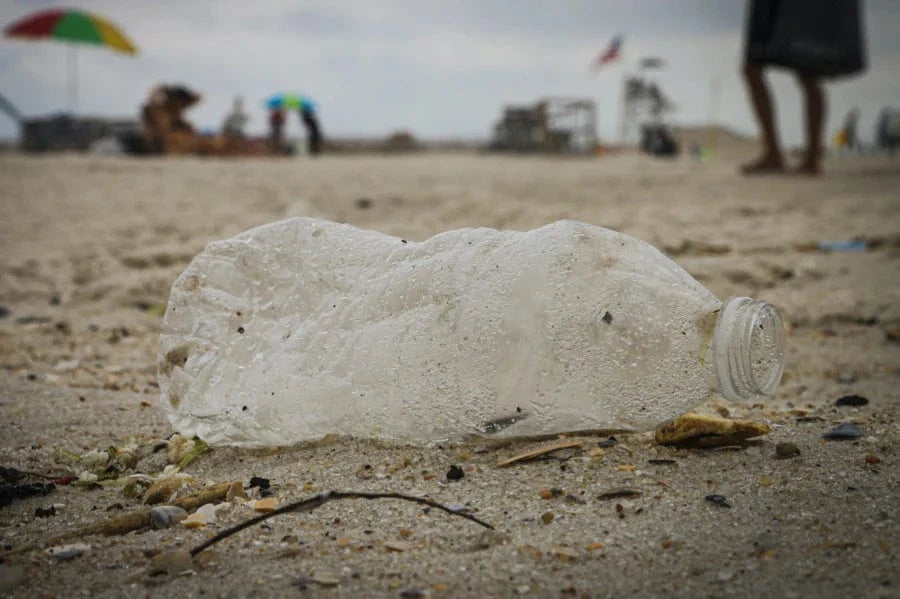
2. Use a Refillable Water Bottle Instead of Single-Use Plastic Bottles

According to a 2014 report by Food and Water Watch, approximately 64% of bottled water sold in the United States comes from municipal tap water. Instead of falling for clever marketing, invest in a quality water filter and a reusable water bottle. We love glass, but there are plenty of other sustainable options! Save money and help the planet .

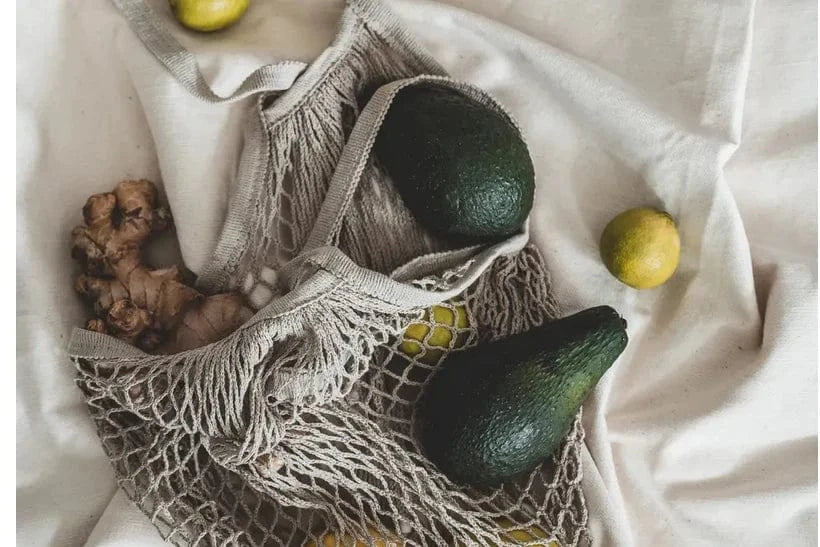
3. Invest in Cloth Produce Bags to Reduce Your Plastic Bag Waste

You know those flimsy plastic bags they offer in the produce department? Super wasteful. Investing in (and remembering to bring) a set of cloth produce bags will protect your purchases and prevent more plastic from ending up in the ocean. These bags are great for transporting bulk goods, too. Plus, your produce will never be cuter!

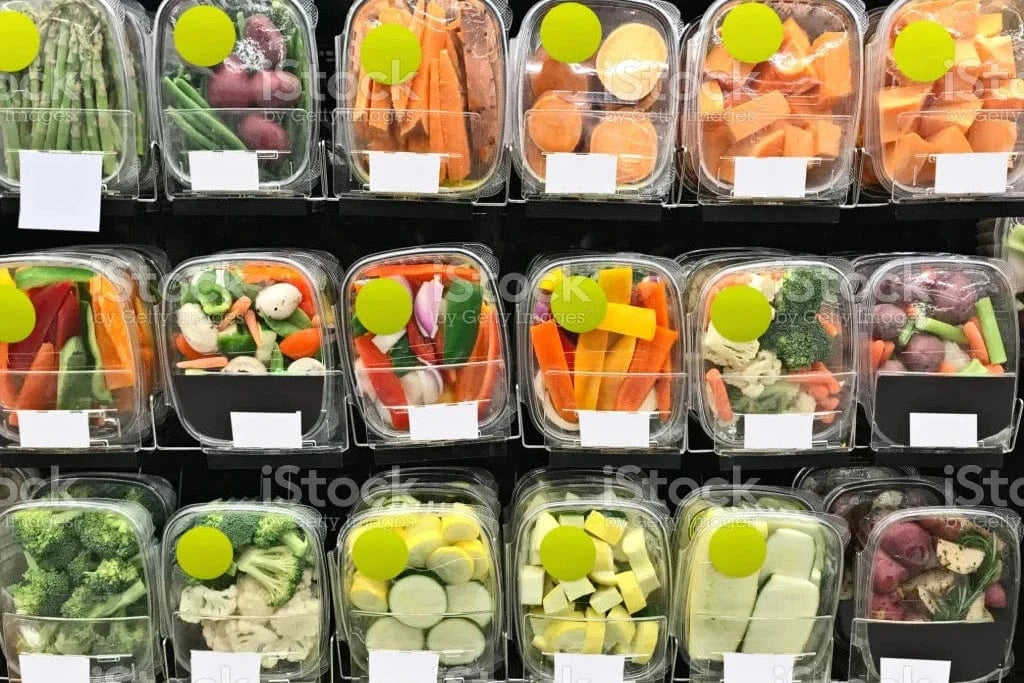
4. Avoid Produce Wrapped in Plastic at the Grocery Store

This can be hard to avoid, since many supermarkets go heavy on the shrink wrap — even for produce with naturally biodegradable "packaging." Shrink-wrapped bananas, anyone? But, that brings us to our next tip!

5. Support Local Farmers to Cut Waste and Boost Local Food Systems

The food will be fresher, tastier, more sustainable, and way more nutritious. Besides, by supporting local farmers, you’ll put your money into your local economy. Alternatively, you could join a CSA or sign up for a local food delivery service.

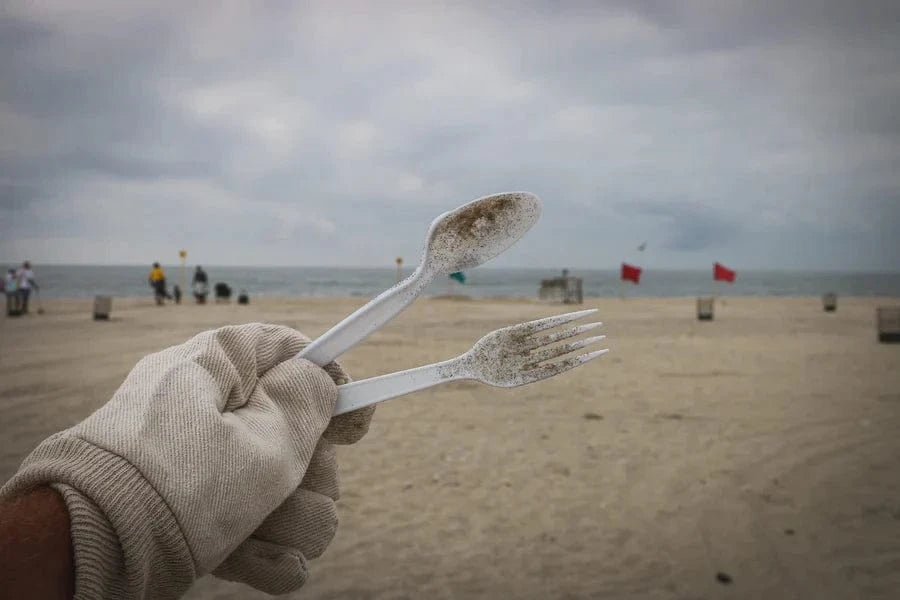
6. Avoid Single-Use Plastics Like Straws, Cutlery, and Wraps

Plastic cutlery, straws, plates, and cups clog our landfills and can be very dangerous for aquatic life. To make it simple, get yourself a cute set of reusable cutlery, stainless steel straws, and reusable containers to keep in your car or bag while out and about.

8. Ditch Disposable Tea Bags in favor of Loose-Leaf or Reusable Options

Most tea bags are loaded with micro plastics that are bad for you and the environment. But have no fear: loose-leaf tea is here!  Pick up an in-mug strainer or a set of reusable cloth tea bags and you’ll be on your way to a delicious, sustainable brew in no time! Herbs and blends for tea can usually be found in the bulk section of your local food co-op.

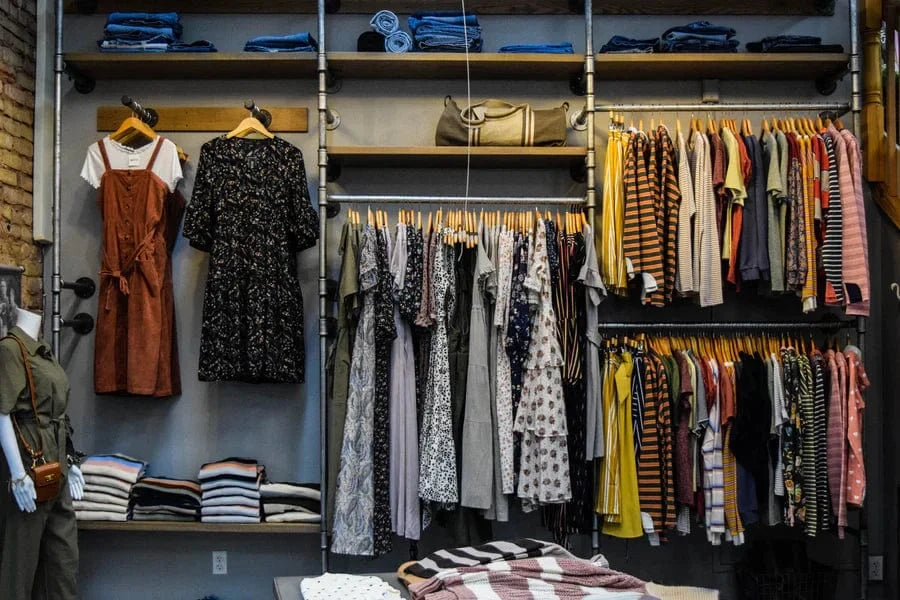
9. Green Up Your Closet with Thrifted or Sustainable Clothing

Buy exclusively from sustainable clothing brands or hit up your local thrift or consignment shop. Often, you'll find unique, gently worn (or even brand new) garments at a fraction of the retail price. Get used to people asking “where did you get that?” And while you’re there, donate that pair of jeans you haven't been able to squeeze into for a decade. In the words of Marie Kondo: "To truly cherish the things that are important to you, you must first discard those that have outlived their purpose."

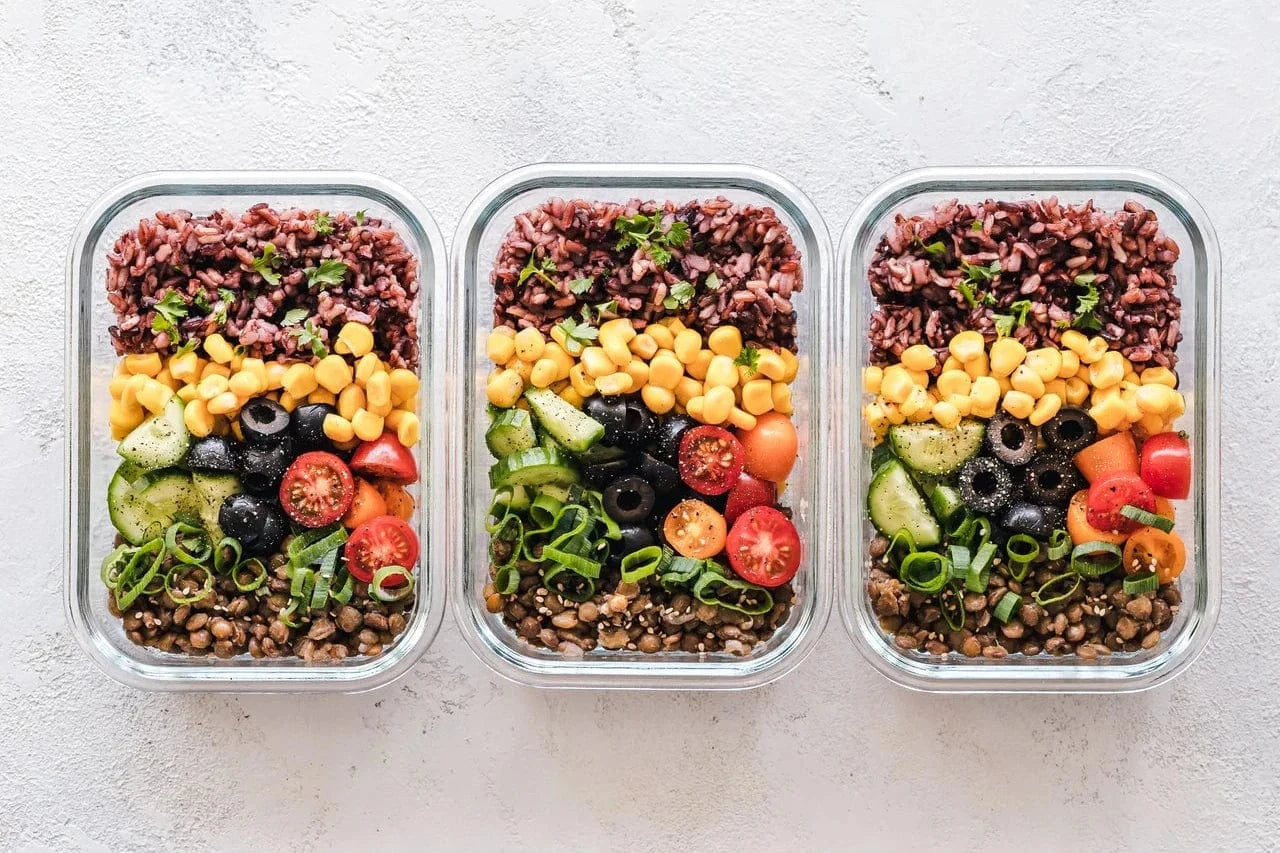
10. Plan Your Meals to Reduce Food Waste at Home

Meal planning can streamline your grocery trips, trim food costs, and reduce waste by ensuring you'll use everything you purchase. It will also save you from the question many dread after a long day of work: “what’s for dinner tonight?” And who knows? You might just score a little more "you" time on busy weeknights. For more ideas, read our sustainable diet guide.

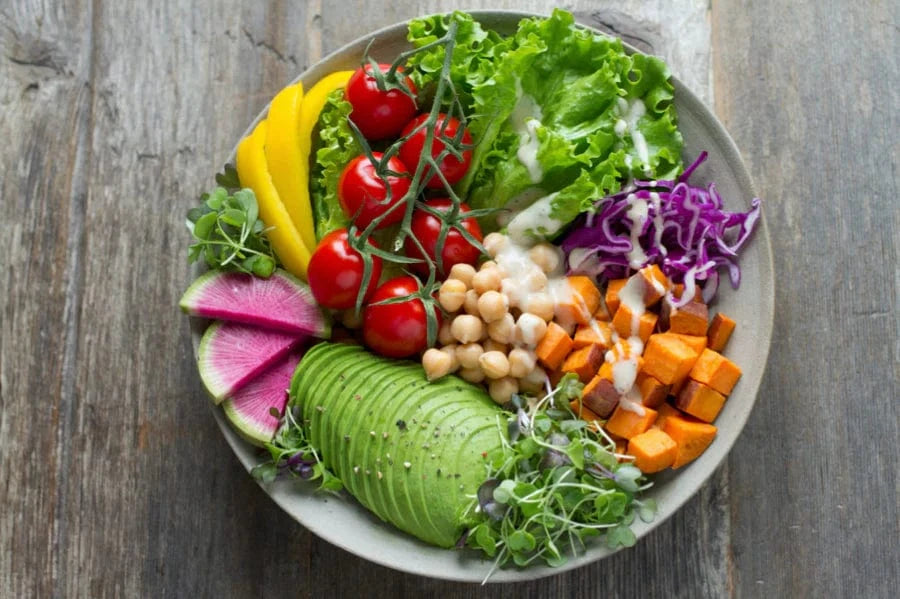
11. Choose Plant-Forward or Responsibly Raised Foods

In a perfect zero-waste world, everyone would go vegan and consign factory farming to history. But if you aren’t ready or able to do that, try to find local, humanely raised meat. And consider making Meatless Monday a tradition at your house. You might just be be pleasantly surprised by how satisfying and delicious plant-based meals can be.

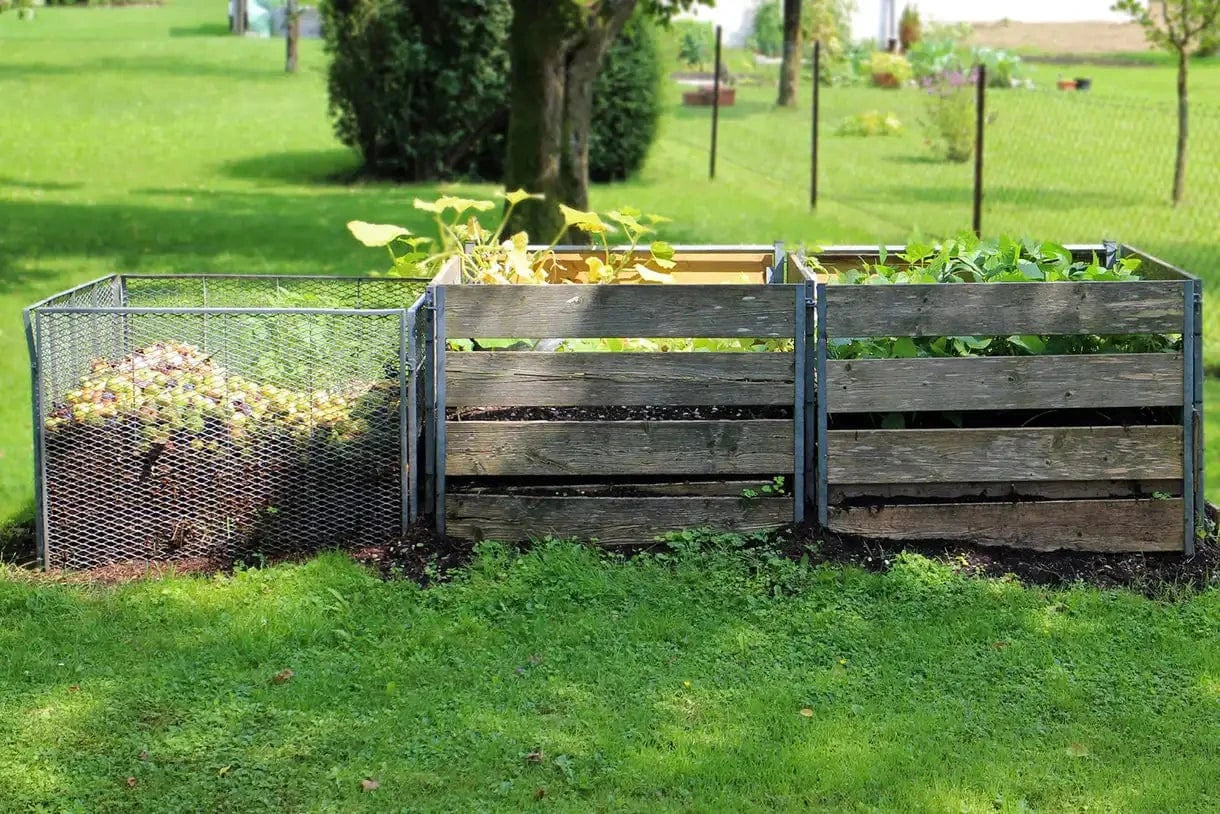
12. Compost Your Food Scraps Instead of Throwing Them Away

According to the Environmental Protection Agency, 30% of the waste Americans produce is made up of yard waste and food scraps, which could have been composted. By diverting that waste from the dump we can shrink landfills and reduce methane production, a volatile greenhouse gas and major contributor to global warming. Getting started is easy. You can create your own compost or sign up for a local compost pick-up service. 

13. Replace Plastic Wrap with Reusable Beeswax Wrap

Made with a combination of beeswax, cloth, oil, and pine resin, bees wrap is plastic wrap’s fun, eco-friendly cousin. Sold in a variety of shapes, sizes, and patterns, you’ll be sure to find one you like. It's reusable, works surprisingly well, and saves a heck of a lot of plastic waste. Bees wrap is also relatively simple to make and can be a great gift!

14. Reduce Period Product Waste with Plastic-Free and Reusable Options

Yes, that one! Give plastic-free, organic cotton products, (BPA-free) menstrual cups, period underwear, and reusable cotton pads a try. Using them can help keep the 10,000 tampons (and plastic applicators) the average woman uses in her lifetime, out of our landfills. And think of all the things you'll buy with the money you save. Fair trade, heavy metal-free chocolate, anyone?

15. Choose “Ugly” Produce and Dented Cans to Reduce Food Waste

When shopping for produce, we've been conditioned to expect our vegetables and fruits to be shiny and unblemished — which happens to create a LOT of waste. Check out the “last chance” shelf at your local supermarket (or, check out the TooGoodToGo app!). You’ll save perfectly good food from the dumpster and get better deals on things you need.

16. Repurpose Old Clothes Into Rags or Reusable Bags

Make cloth rags out of old, un-wearable clothes and use them in place of paper towels for deep cleaning projects around the house. If you go through a lot, check with your local thrift store — they may sell bulk rags created from un-salable donations. Or if a t-shirt just doesn't fit you anymore, turn it into a reusable bag! 

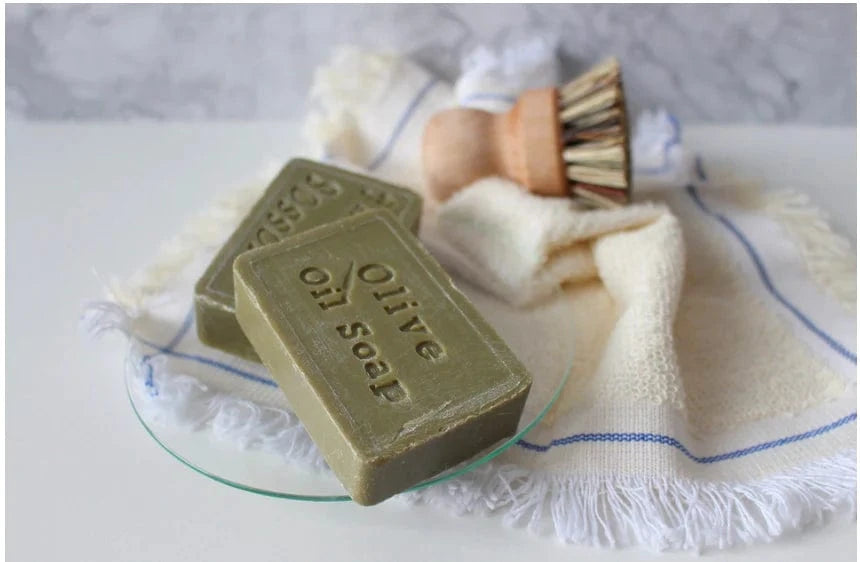
17. Replace Plastic-Bottled Soaps and Shampoos with Bars

Give plastic shampoo, conditioner, and soap bottles the boot. Look for handmade natural soaps, bulk sizes of personal care products, and other more sustainable alternatives. If you’re feeling ambitious, try handcrafting your own homemade beauty and skincare products. 

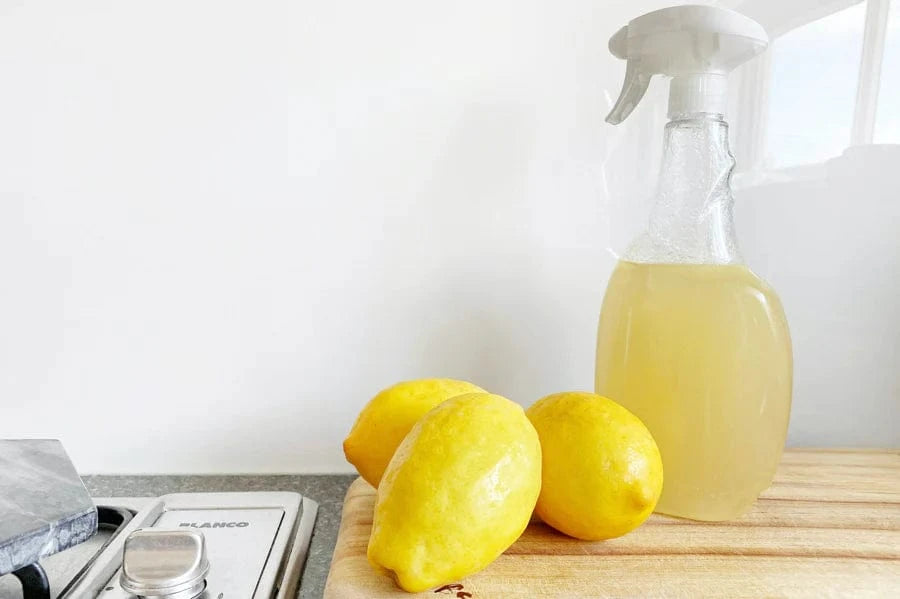
18. Make Your Own Eco-Friendly Cleaning Products at Home

Did you know that conventional cleaning products are full of harmful endocrine disruptors and other chemicals that leach into our sewage systems, waterways, and bodies? Fortunately, it's pretty easy to make your own eco friendly cleaning products with ingredients you probably already have at home.

19. Improve Fuel Efficiency by Checking and Replacing Your Vehicle Air Filter

A dirty air filter can reduce your vehicle's fuel efficiency. Read your car’s user manual to figure out what type of filter you need, and how to change it. And don’t be intimidated! On most vehicles, this is a simple task.

20. Recycle Spare Tires or Upcycle Them Creatively

Most landfills won’t accept tires, but retailers that recycle them will be happy to take 'em off your hands. Some tire shops will also recycle them for a fee. You could also get creative and upcycle them into tire swings, dog beds, and more.

21. Switch to Digital Documents and Paperless Billing

Switch to digital documents to save on paper and ink. And while you’re at it, get yourself off those junk mail lists, ask for paperless bills, and always opt for digital receipts. Receipt paper is often coated with toxic BPA and BPS, so this is a good way to avoid unnecessary chemical exposure, too.

22. Switch to Refillable Beauty Products

Refillable beauty products can significantly cut down on packaging waste. Choosing refill stations or brands that offer reusable containers makes it easier to reduce single-use plastic without changing your entire makeup routine.

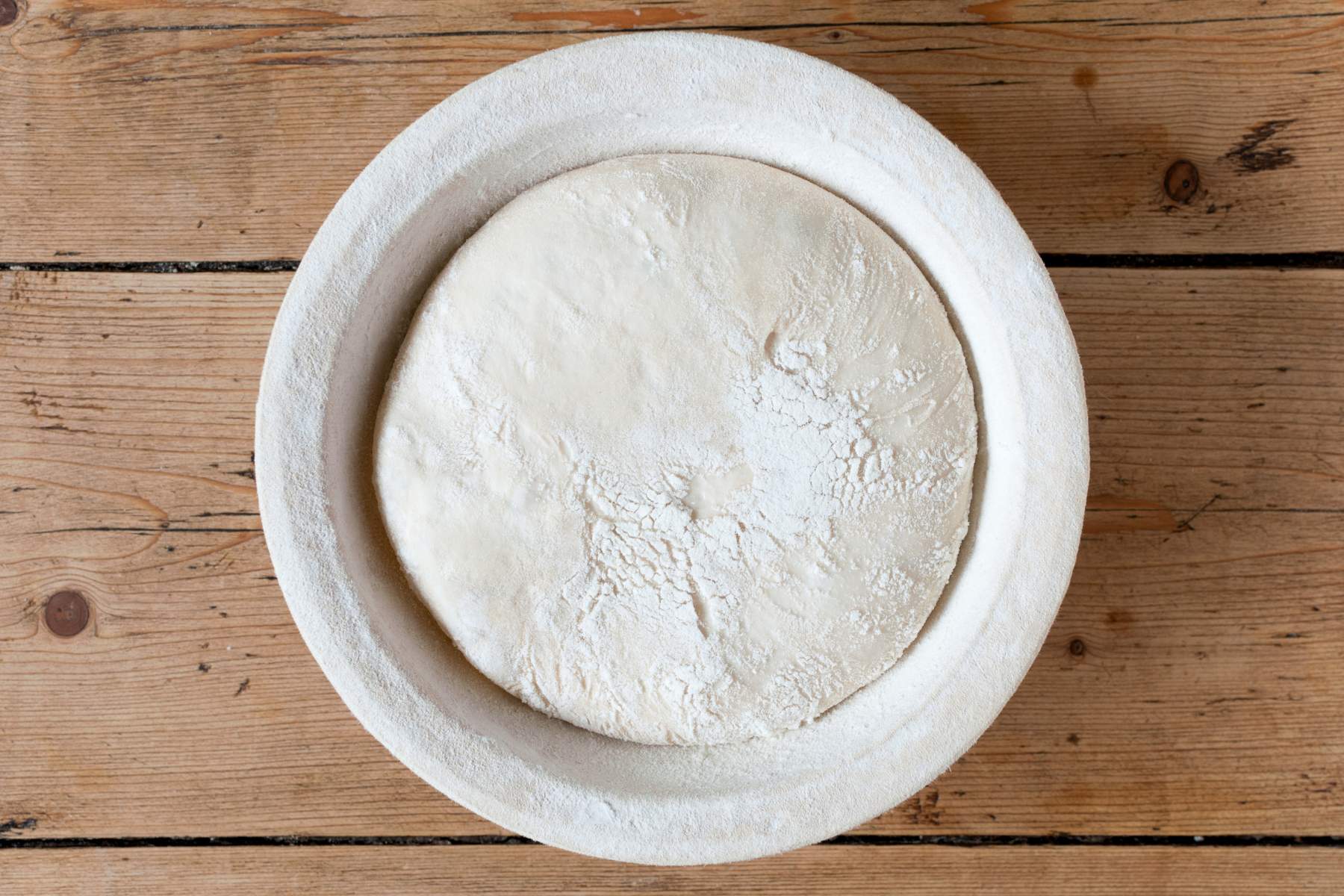
23. Bake Your Own Sourdough

Baking sourdough at home can reduce packaging waste from store-bought bread and give you more control over ingredients. Sourdough baking is a delicious hobby that can also be very rewarding.

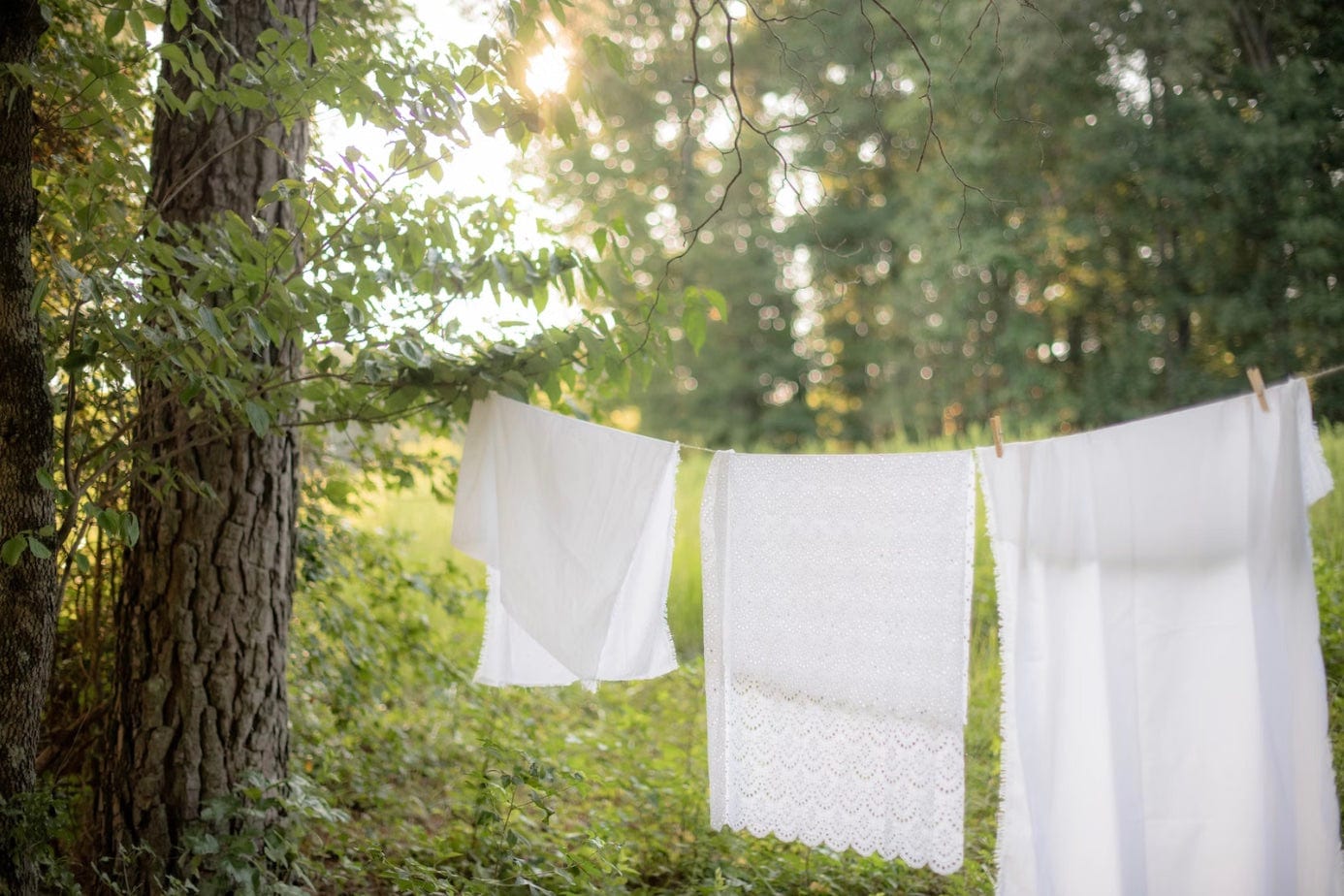
24. Use cloth instead of disposables

Swapping paper towels, napkins, and disposable wipes for cloth alternatives can noticeably reduce household waste. These items are washable, durable, and often more economical over time.

25. Keep a "use it up" shelf or bin in your fridge

Set aside food that needs to be eaten soon so it doesn't get lost in your fridge, forgotten until garbage day. This simple system can reduce food waste and make meal planning easier during the week.

26. Borrow Before You Buy

Borrowing items you only need occasionally helps keep clutter and waste to a minimum. Things like tools, party supplies, and special-event clothing are often better borrowed than purchased new.

So there you have it! By no means do you need do everything on this list. Rome wasn’t built in a day, but with a little time and patience, you can absolutely reduce your impact. We hope that after reading this, you’re feeling inspired to create less waste and adopt a more sustainable lifestyle.

Want to do more? Consider supporting reforestation with us today!

5 20 50 100
$ USD
lock icon Secure checkout powered by Shopify
Summer of wild - 3x Match

Your first three months, matched!

Join the Grove

Get news, updates, & event Info delivered right to your inbox:
Meaghan Weeden
Meaghan Weeden

Meaghan Weeden is the Communications Manager at One Tree Planted, where she translates research and impact data into compelling, accessible narratives. With a degree in Environmental Conservation and a background in both traditional publishing and nonprofit communications, Meaghan bridges the gap between scientific complexity and high-impact storytelling to engage global audiences. She is based in Western Massachusetts.