Click here to support reforestation
with your company.
Trees produce oxygen through photosynthesis; the process where leaves use sunlight to convert carbon dioxide and water into sugar and oxygen. While phytoplankton living in the ocean produce the majority of Earth’s oxygen, the world's forests produce about 28 percent of the world’s oxygen. Individual trees also contribute substantially to local air quality and help maintain breathable air for land ecosystems.
So the next time you take a deep breath, thank a tree!

Just like any other living organism, trees take in nutrients, water, and sunlight to produce energy and grow. And similarly to humans, trees can breathe — but unlike humans, it’s not oxygen they're taking in.
Trees pull in carbon dioxide and release oxygen. Because trees don’t have lungs, this isn’t a process that can be seen. It happens at a cellular level, invisible to the human eye.

During the spring and summertime, the leaves of a tree pull in carbon dioxide, water, and energy from the sun to turn into sugars that produce nutrients. This process, which is called photosynthesis, then emits oxygen that helps other living things breathe. Typically, this process is most active during the growing season — when trees aboveground parts are growing more vigorously.

The average human takes in about 550 liters of oxygen in a day — that’s about 145 gallons. Individuals who exercise or are active throughout the day may take in more oxygen on average, depending on their level of activity.

While most oxygen is produced by phytoplankton, trees still play a significant role in providing us with breathable and clean air. So, how much oxygen do trees actually produce?
A mature oak tree can produce, on average, 100,000 liters of oxygen a year. That’s about 274 liters of oxygen a day — roughly half of what the average human needs. In other words? It’s in our best interest to be vastly outnumbered by trees.

The amount of oxygen a tree produces is influenced by several factors, including species, age, health, and surroundings. A tree also does not produce the same amount of oxygen year-round.
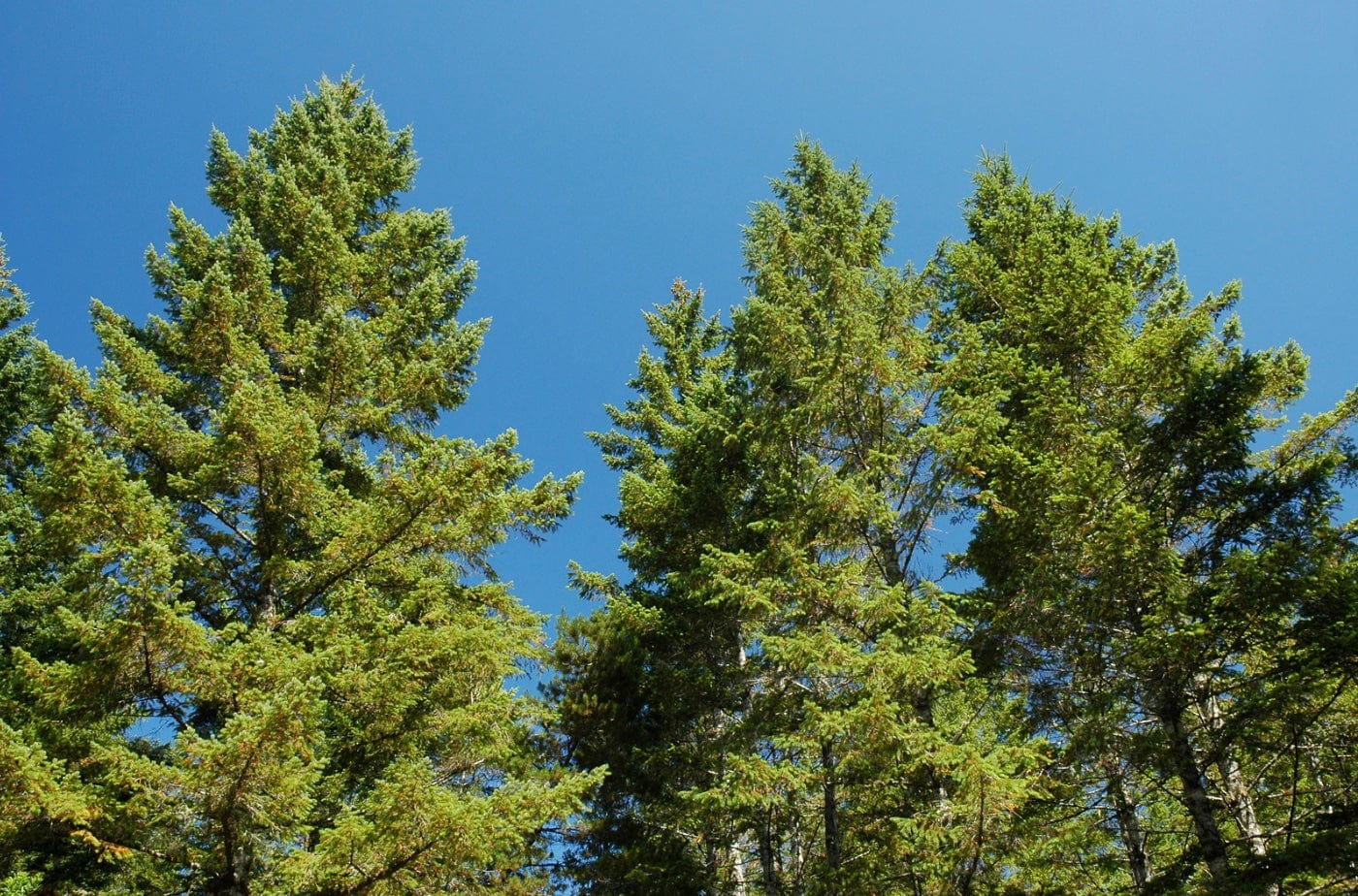
Douglas fir, beech, spruce, and maple trees are among the tree species that produce the most oxygen.

During the fall, trees begin preparing for winter, dropping their leaves (if they are deciduous), and going into dormancy. The breaking down of chlorophyll makes it harder for trees to absorb sunlight and use it to produce energy. Because of that, leaves slowly begin to lose their green color, transforming into different hues of red, brown, and orange.
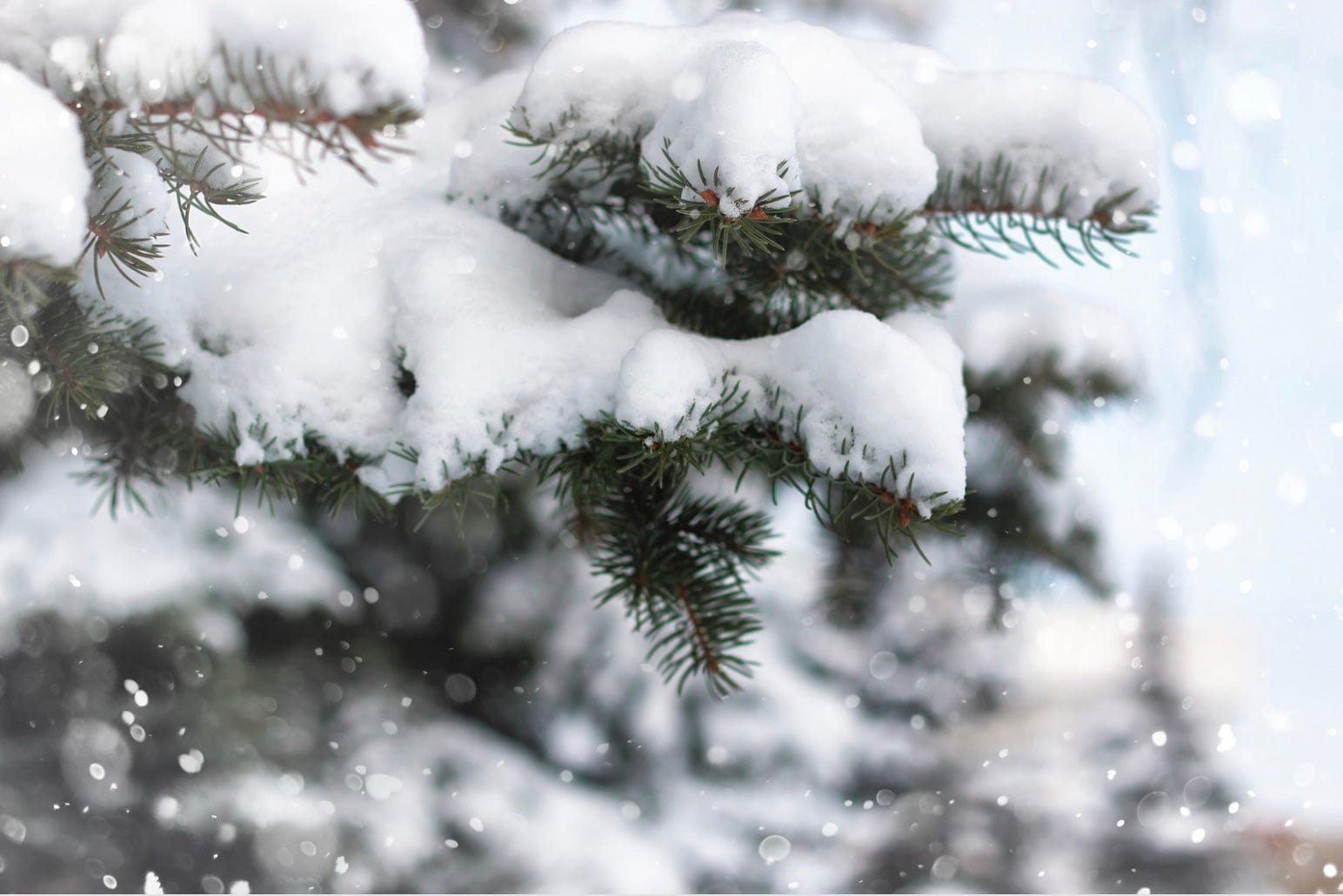
Once winter begins, trees reach a state of dormancy. Similar to hibernation, dormancy simply means that trees are conserving their energy for the bracing season ahead. During this time, trees don’t actively photosynthesize or produce oxygen, causing oxygen levels to fall and carbon dioxide to rise.
Trees more than make up for this in the spring and summertime, so humans tend not to be too affected when trees go dormant.
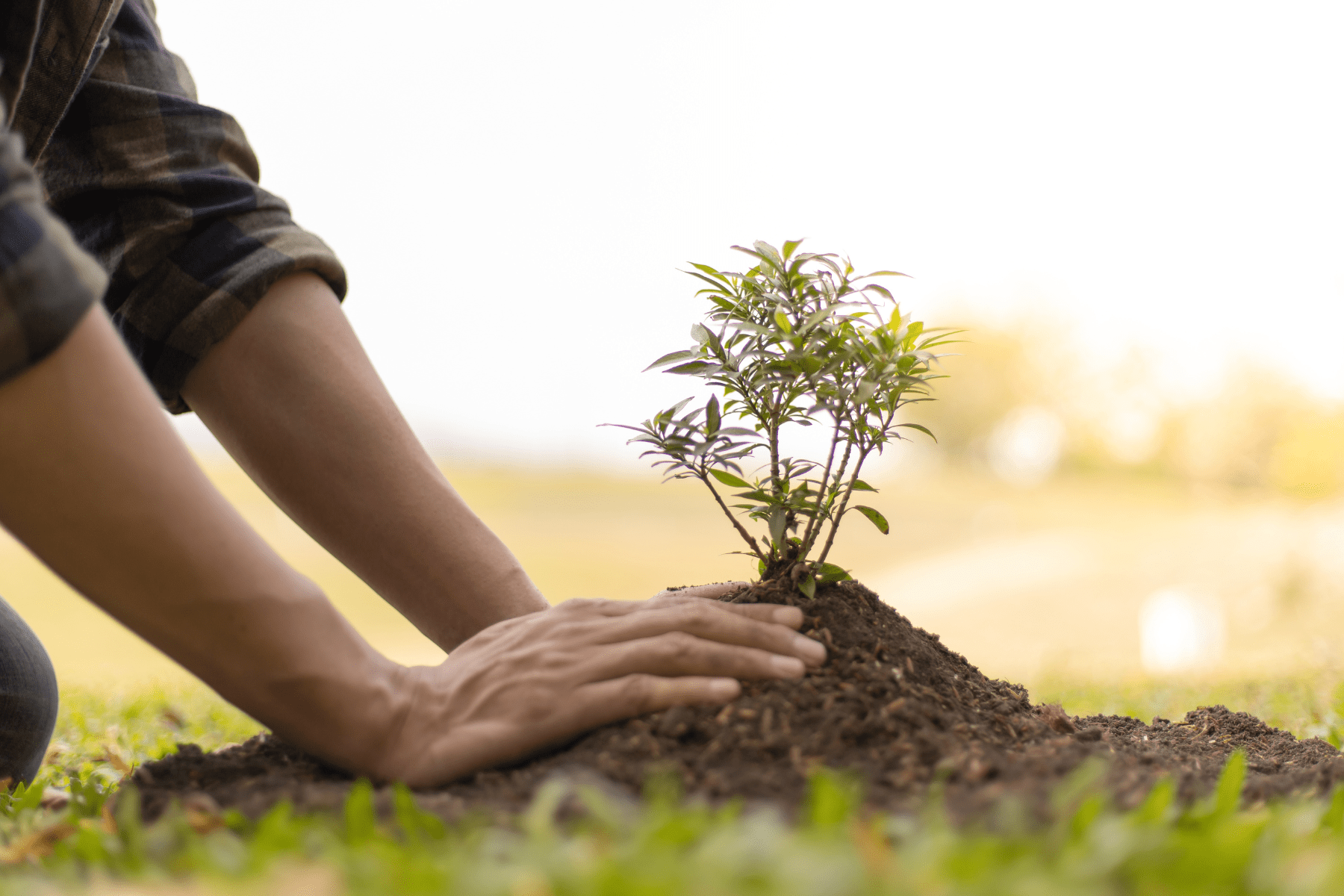
From clean air to drinkable water, trees support life on Earth. You can help make an impact by supporting reforestation around the world to ensure future generations can enjoy the benefits of healthy forests.
Trees produce oxygen through photosynthesis by converting sunlight, water, and carbon dioxide into sugar and oxygen. While most of Earth’s oxygen comes from oceanic phytoplankton, trees are essential for breathable air on land, carbon storage, and improving local air quality. A mature tree can generate tens of thousands of liters of oxygen per year, but multiple trees are required to meet a human’s daily oxygen needs. Beyond oxygen, trees help filter pollutants and support ecosystems, making them vital for both humans and the planet.
Click here to support reforestation
with your company.
01/01/2026 by One Tree Planted
25/12/2025 by One Tree Planted
23/12/2025 by Meaghan Weeden
16/12/2025 by Meaghan Weeden
11/12/2025 by One Tree Planted
The Grove is more than just a monthly giving program: it's a vibrant community of individuals who are dedicated to reforestation and environmental restoration on a global scale.